Buying a Home in Maryland? Why Mold Testing Matters
Before you close on a Maryland home, a mold inspection can reveal hidden moisture issues that a standard home inspection might miss.
Buying a home is one of the biggest investments most people will ever make, and in Maryland the housing stock ranges from brand-new construction to centuries-old historic properties. A standard home inspection is an important step, but it is not the same as a mold inspection — and in a humid Mid-Atlantic climate, the difference matters.
What a standard home inspection covers
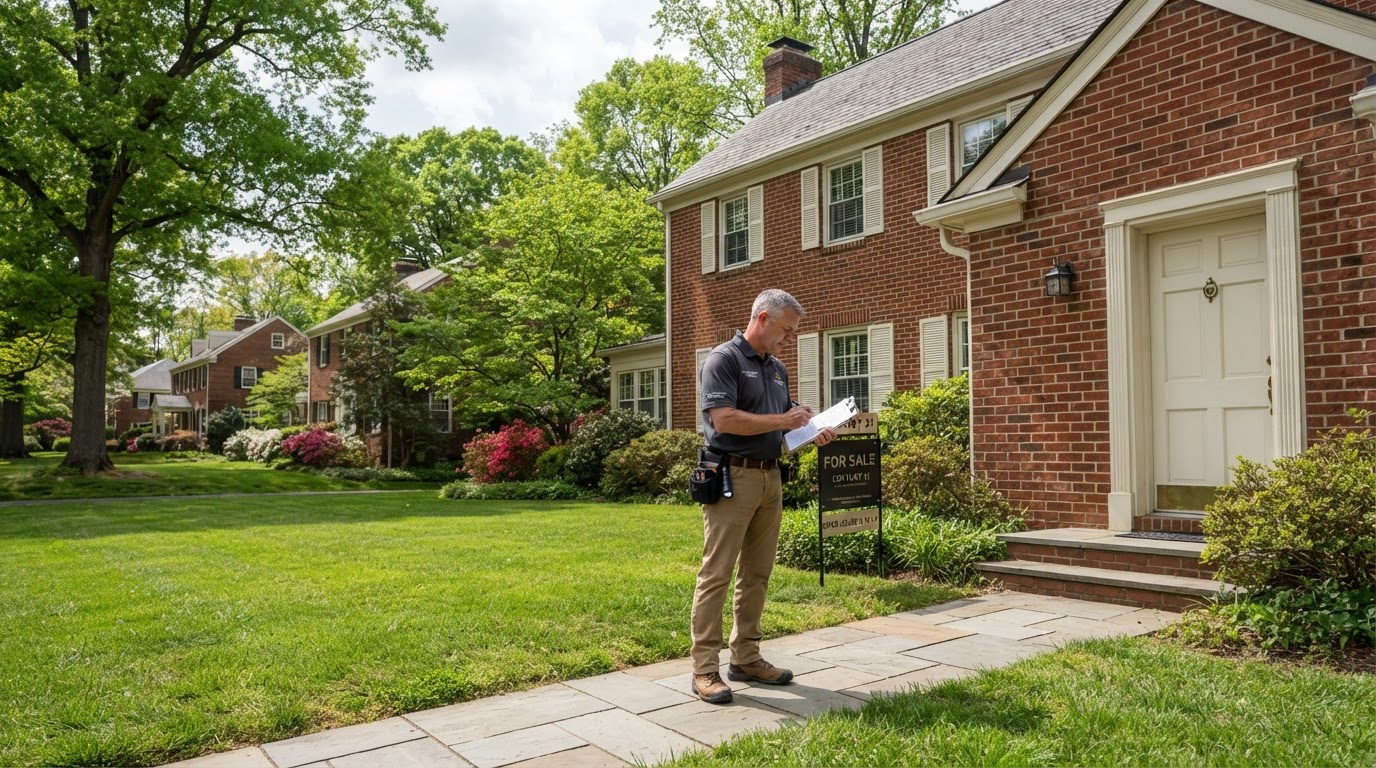
A general home inspection is a broad visual assessment of the property's major systems: the roof, structure, electrical, plumbing, HVAC, and visible components. The inspector looks for obvious defects and safety issues. It is a valuable snapshot, but it is not a deep investigation into hidden moisture or mold.
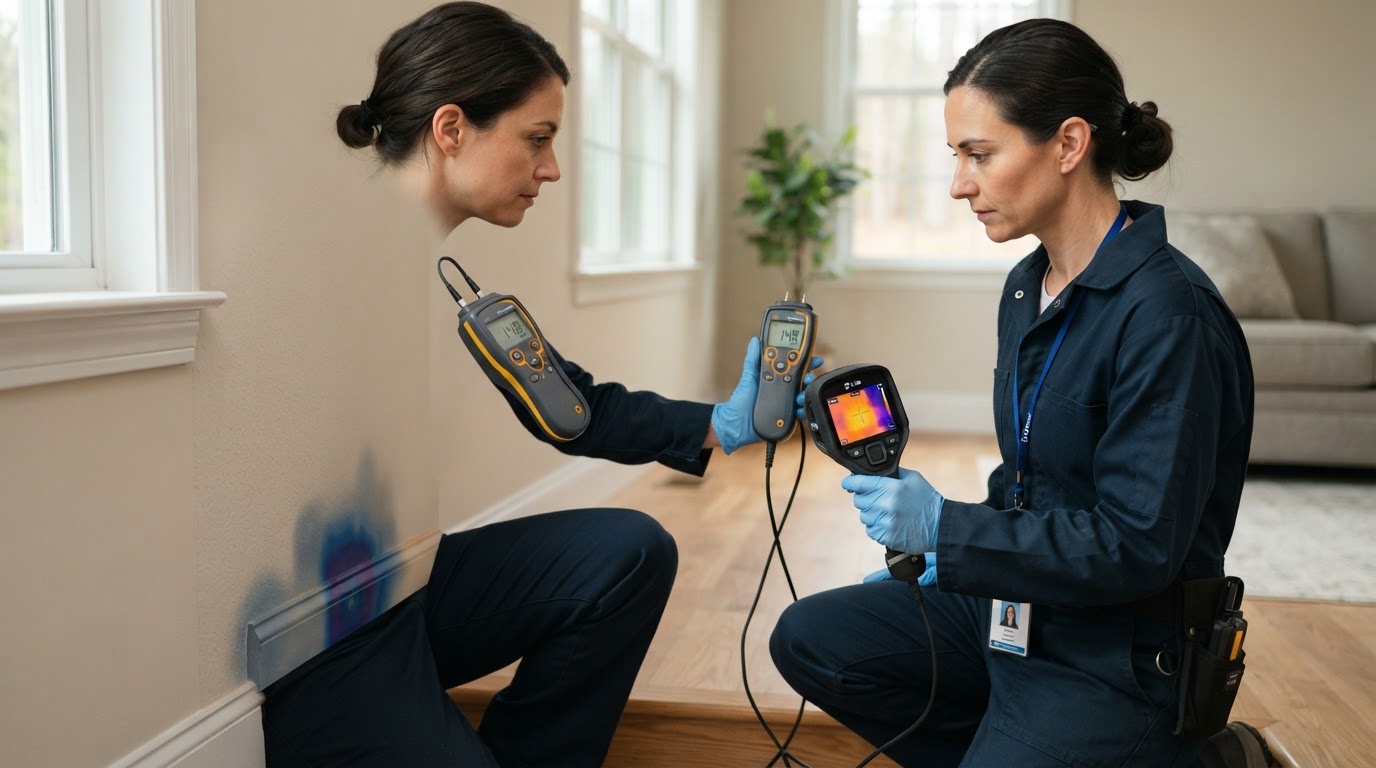
Most home inspectors are not equipped to take air samples, run moisture meters across every wall, or send samples to a laboratory. They may note a water stain or a musty smell, but confirming whether mold is present — and in what quantity — usually requires a separate, specialized inspection.
Why Maryland homes warrant extra attention
Several factors make mold testing especially relevant for Maryland homebuyers:
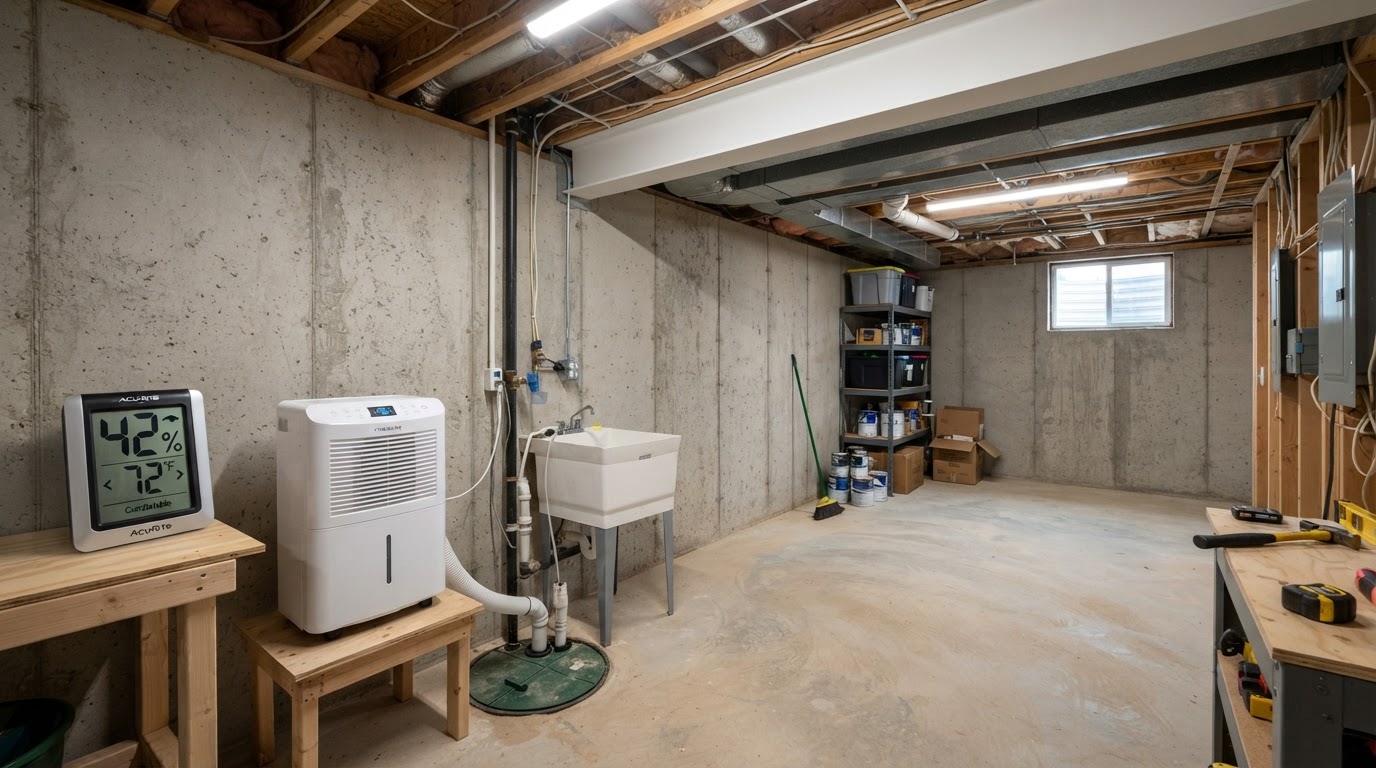
- Humid summers that drive condensation in basements and crawl spaces
- Older housing stock in cities like Baltimore, Annapolis, and Washington, D.C., where aging foundations and original windows let moisture in
- Storm exposure — heavy summer thunderstorms and coastal weather can stress roofs and flashing
- Seasonal or vacation homes that may sit humid and unoccupied for months
- Finished basements where prior water damage may be hidden behind fresh drywall
A home that looks clean and freshly painted can still have moisture trapped behind walls from a previous leak — and that is exactly the scenario a mold inspection is built to catch.
When to add a mold inspection
A mold inspection makes the most sense when:
- The home has a basement or crawl space, especially if it is finished
- You notice a musty smell during a walkthrough
- There are visible water stains, warped flooring, or peeling paint
- The home has been vacant or seasonally occupied
- The seller discloses a past water event or insurance claim
- The property is older and has original plumbing or roofing
Even when none of these apply, some buyers choose a mold test for peace of mind — particularly in a humid climate where moisture problems can develop quickly and stay hidden.
What a mold inspection can reveal before you buy
A pre-purchase mold inspection can uncover:
- Elevated airborne spore counts that suggest hidden growth
- Moisture trapped in walls, floors, or ceilings
- Past water damage that was cosmetically repaired but not properly dried
- Conditions in the basement or attic that are likely to lead to future mold
Finding any of these before closing gives you options: you can negotiate repairs, request a price adjustment, walk away, or simply move in with a clear understanding of the home's condition.
How it fits into the buying timeline
Mold testing typically happens during your inspection contingency period. Because lab results take a few business days, it is wise to schedule the inspection early in that window so results are back before the contingency expires. Your real estate agent can help coordinate timing.
The bottom line
A standard home inspection is a great starting point, but in a humid climate like Maryland's it does not always tell the full moisture story. A dedicated mold inspection gives you a clearer picture of what you are really buying — and that information is far cheaper to obtain before closing than after you have moved in.
This article is general educational information and is not professional advice.
Ready to talk to a professional?
Call our featured local provider, MD Mold Testing.