Understanding the Mold Inspection Process in Maryland
From the first phone call to the final report, here is what actually happens during a professional mold inspection in a Maryland home.
If you have never had a mold inspection before, not knowing what to expect can keep you from scheduling one. Here is a plain-language walkthrough of how a professional inspection typically unfolds in a Maryland-area home.
Step 1 — The consultation
It starts with a conversation. The inspector asks what you have noticed — odors, water stains, allergy symptoms, a recent leak — and where. This context tells them where to focus and what kind of inspection makes sense. In Maryland, that often means questions about basement dampness, recent thunderstorms, the age of the home, and any known roof or plumbing issues.
Step 2 — The visual assessment
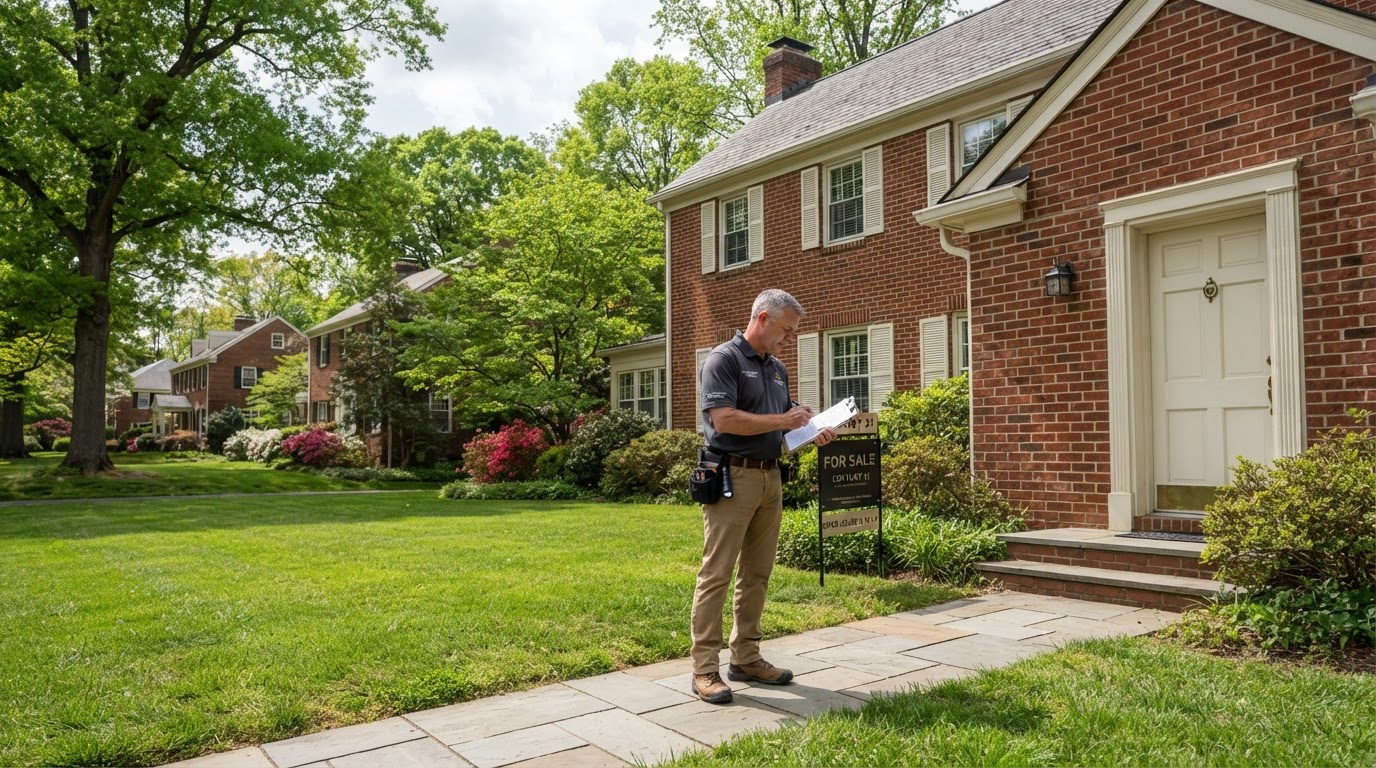
The inspector walks the property, inside and out, looking for the visible signs of moisture intrusion:
- Water stains and discoloration on ceilings and walls
- Cracked or degraded caulk around windows and doors
- Soft or buckling baseboards
- Roof and flashing issues visible from the exterior
- Attic and crawlspace conditions where accessible
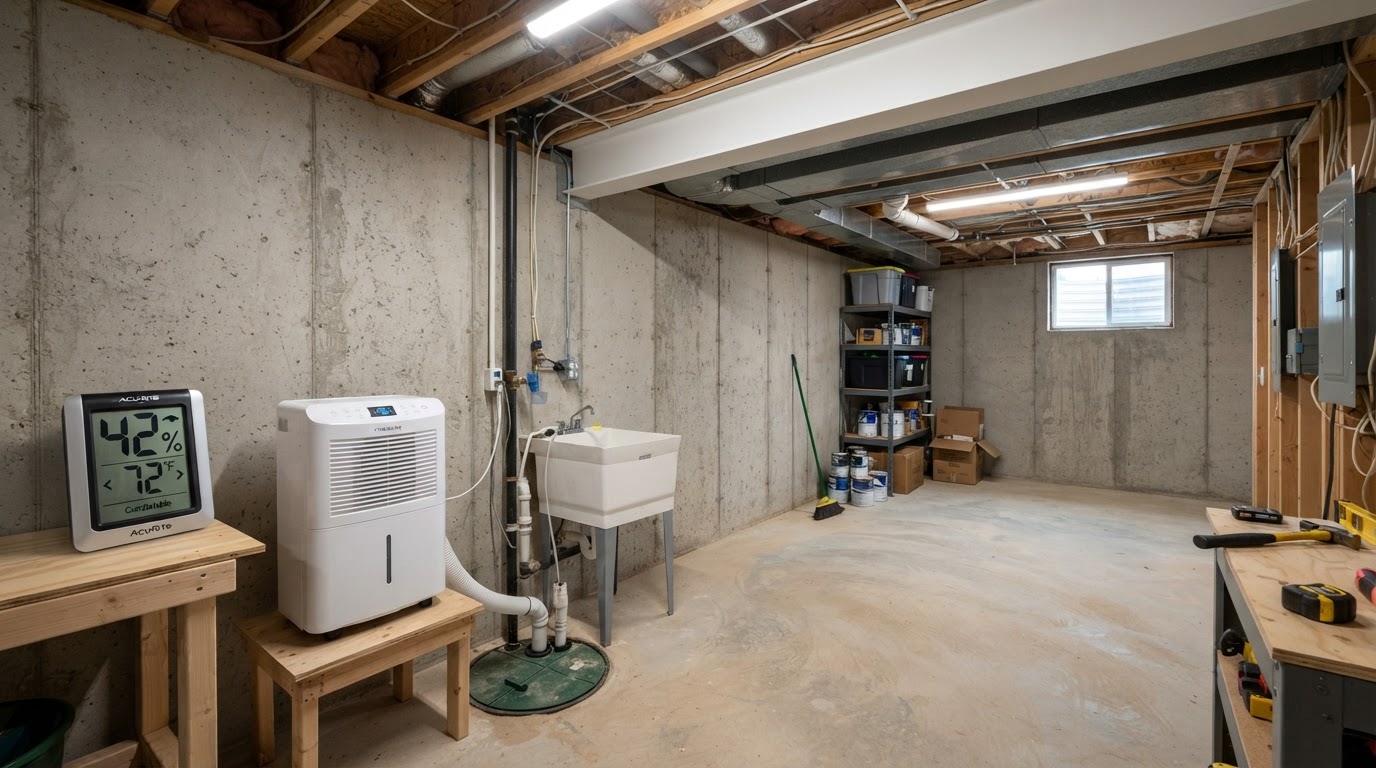
In the Mid-Atlantic, older homes are common, so inspectors pay close attention to aging foundations, original windows, and basements — all places where moisture tends to collect.
Step 3 — Moisture mapping
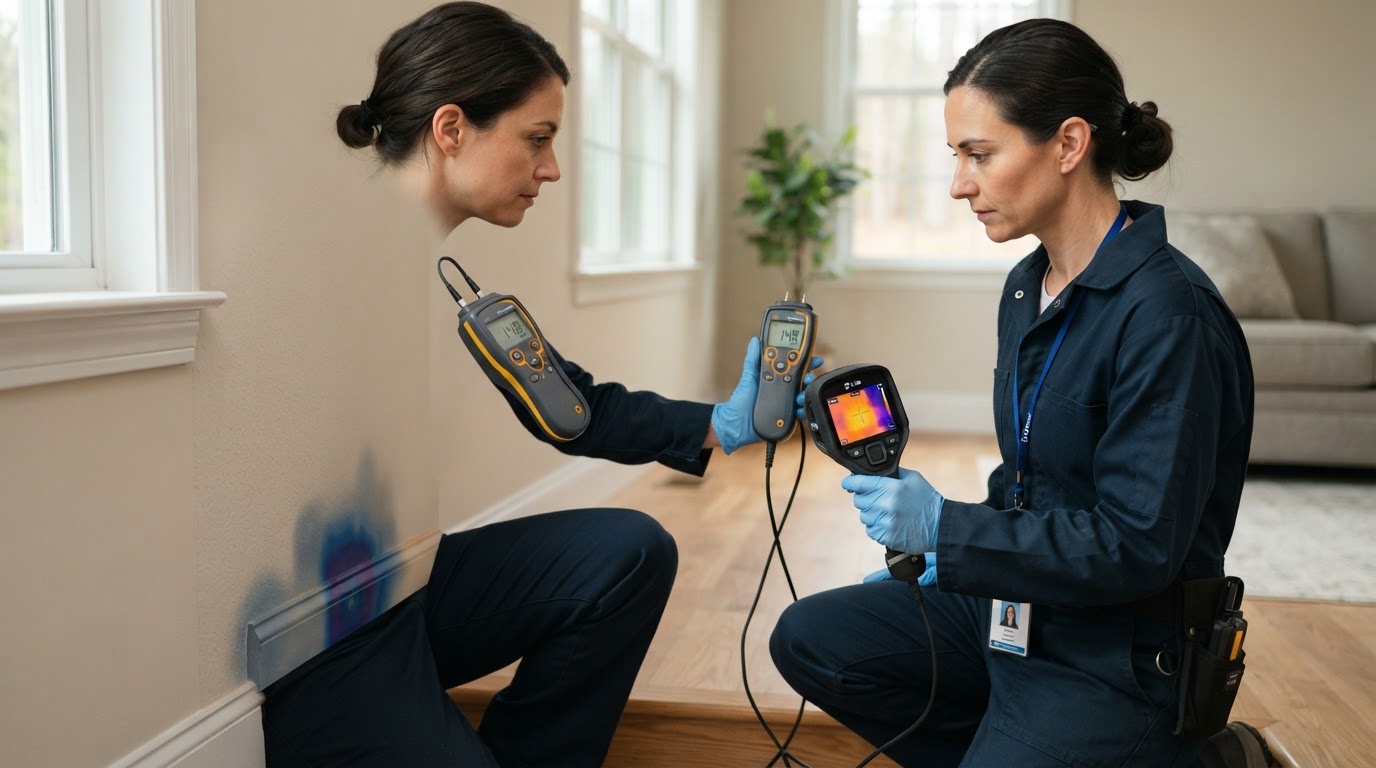
Using a moisture meter and often a thermal camera, the inspector measures the moisture content of building materials and maps out temperature differences that reveal hidden dampness. A wall that looks dry to the eye but reads high on the meter is a common find, especially in below-grade rooms during humid summer months.
Step 4 — Sampling
If the inspector suspects hidden growth, they collect samples. Common types include:
Air sampling
A pump draws a known volume of air through a cassette, which is sent to a lab and compared against an outdoor baseline sample collected at the same time.
Surface sampling
Tape lifts or swabs collect material from a visible spot to identify the specific mold present.
Bulk sampling
In some cases a small piece of material is removed for analysis.
Step 5 — The lab analysis
Samples go to an independent laboratory. Results typically come back within a few business days and report the types and concentrations of mold found.
Step 6 — The report
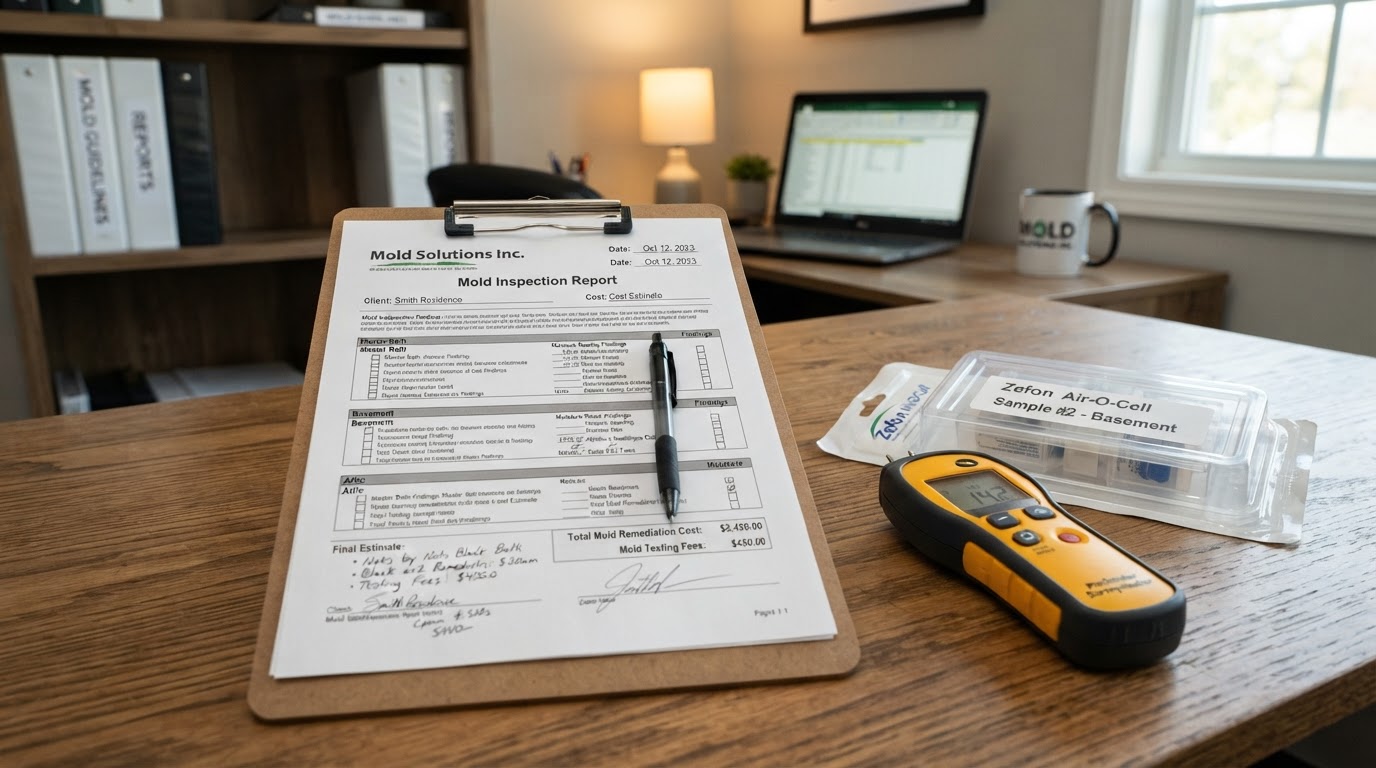
You receive a written report that explains what was found, where, what it likely means, and what to do about it. A good report is the bridge between "something feels off" and a clear plan of action.
What an inspection is not
An inspection is informational. It tells you the condition of your home and the scope of any problem — it does not, on its own, fix it. The report's findings guide the next steps, whether that is a small cleanup, a full remediation, or simply peace of mind.
Choosing a local professional
A qualified local inspector understands how Maryland homes are built and how the regional climate affects them. Our featured local provider, MD Mold Testing, performs mold inspections across Maryland, Washington, D.C., Northern Virginia, and Delaware. Best Mold Testing Maryland is an independent educational resource; MD Mold Testing is our featured local provider, not a neutral comparison of all area companies.
The bottom line
Knowing what happens during an inspection takes the mystery out of the process. It is a thorough, step-by-step assessment designed to give you clear, actionable information about your home.
This article is general educational information and is not professional advice.
Ready to talk to a professional?
Call our featured local provider, MD Mold Testing.