Health Effects of Indoor Mold Exposure
Mold can affect people very differently. Here is what the science says about symptoms, who is most sensitive, and when to act in your Maryland home.
Mold is one of those topics where online advice swings wildly between "ignore it" and "panic." The reality is more measured: mold exposure genuinely affects some people, mildly bothers others, and is a non-issue for many. Understanding the range of effects helps Maryland homeowners decide when it is worth acting.
Who is most sensitive
Not everyone reacts the same way to the same environment. People more likely to notice effects from indoor mold include:
- Those with asthma, allergies, or existing respiratory conditions
- Infants, young children, and older adults
- People with weakened immune systems
- Anyone with prolonged exposure to a damp indoor space
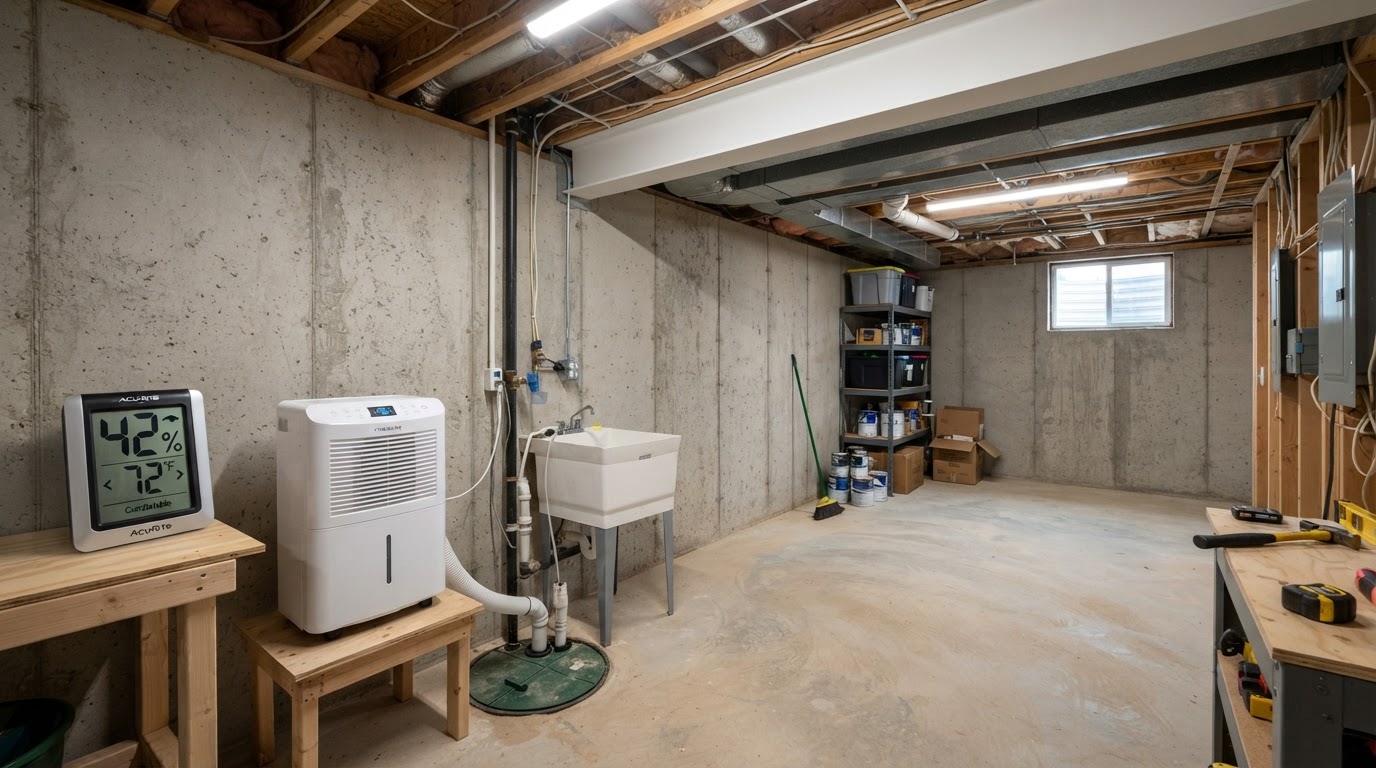
Maryland's humid summers can intensify these effects, because higher indoor humidity keeps mold active and airborne spore counts elevated for longer stretches of the year.
Common symptoms
Where symptoms do appear, they tend to fall into a few categories:
- Nasal stuffiness, sneezing, or a runny nose
- Eye, throat, or skin irritation
- Coughing or wheezing
- Worsening of existing asthma symptoms
- Headaches that ease when away from the home
A useful tell: if these symptoms get better when you leave the house and return when you come back, the indoor environment is a reasonable suspect. Many Maryland homeowners first notice this pattern after spending a weekend away and feeling clearer, only to have symptoms return within a day of being home.
Why sensitivity varies
The body's response depends on the type of mold, the amount present, and the individual's immune system. Some molds produce compounds that irritate; others are allergens. Two people in the same home can have completely different reactions — one person feels fine while a family member struggles with congestion and headaches.
Mold and asthma
For people with asthma, mold can be a meaningful trigger. Inhaling spores can irritate airways and bring on coughing, wheezing, or shortness of breath. Children with asthma are especially sensitive, and damp indoor environments have been linked to more frequent asthma symptoms. If anyone in your Maryland home has asthma and symptoms seem worse indoors, the air quality is worth investigating.
When to pay attention
Persistent, unexplained symptoms that follow the pattern above — especially in a home with a known leak, a musty smell, or visible water damage — are worth investigating. An indoor air quality test or mold inspection can confirm whether there is a measurable source behind what you are feeling.
It is also worth acting after a known water event. A basement flood, a roof leak during a summer storm, or a slow plumbing leak can all create the damp conditions mold needs, and symptoms sometimes appear only after growth has had time to establish.
What testing can and cannot tell you
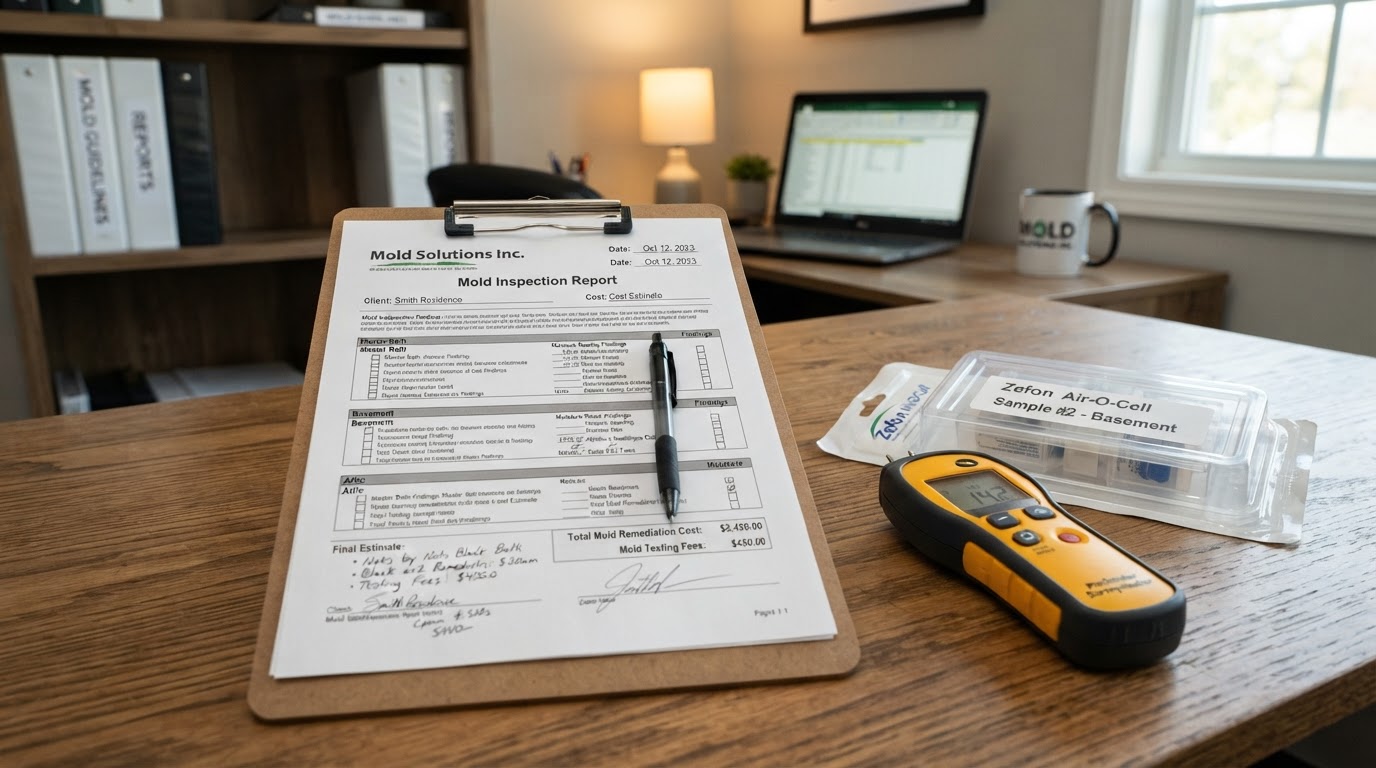
A mold test tells you what is in the air or on a surface and in what quantity. It does not diagnose a health condition — that is the role of a healthcare provider. But a test can confirm whether elevated mold levels are present, which helps you decide whether remediation makes sense.
The practical takeaway
You do not need to fear every damp spot. But if symptoms are recurring and you cannot find a cause, a professional test is a reasonable, evidence-based next step — not a dramatic one. The goal is information: find out what is in your air and decide from there.
This article is general information and not medical advice. For personal health concerns, speak with a healthcare provider.
Ready to talk to a professional?
Call our featured local provider, MD Mold Testing.