Hidden Signs of Water Damage in Your Home
Water damage is not always obvious. Learn the subtle signs of hidden moisture that can lead to mold in Maryland homes.
Water damage does not always announce itself with a dramatic flood. Some of the most damaging moisture problems in Maryland homes develop slowly, behind walls and under floors, where you cannot see them. By the time they become visible, mold may already be growing. Knowing the hidden signs helps you catch problems while they are still small.
Why water damage hides
Modern homes are built in layers — drywall, insulation, vapor barriers, flooring — and water that gets past the surface often travels along these layers, spreading out of sight. A small roof leak can run down the inside of a wall and pool at the baseboard. A slow plumbing leak under a sink can soak the cabinet floor and the wall behind it without ever dripping onto the floor where you would notice.
In Maryland's humid climate, trapped water also evaporates slowly, which means the dampness lingers long after the surface looks dry — exactly the condition mold needs.
Signs to watch for indoors
- A persistent musty smell — the single most reliable sign of hidden mold. If a room smells damp and earthy, moisture is present somewhere.
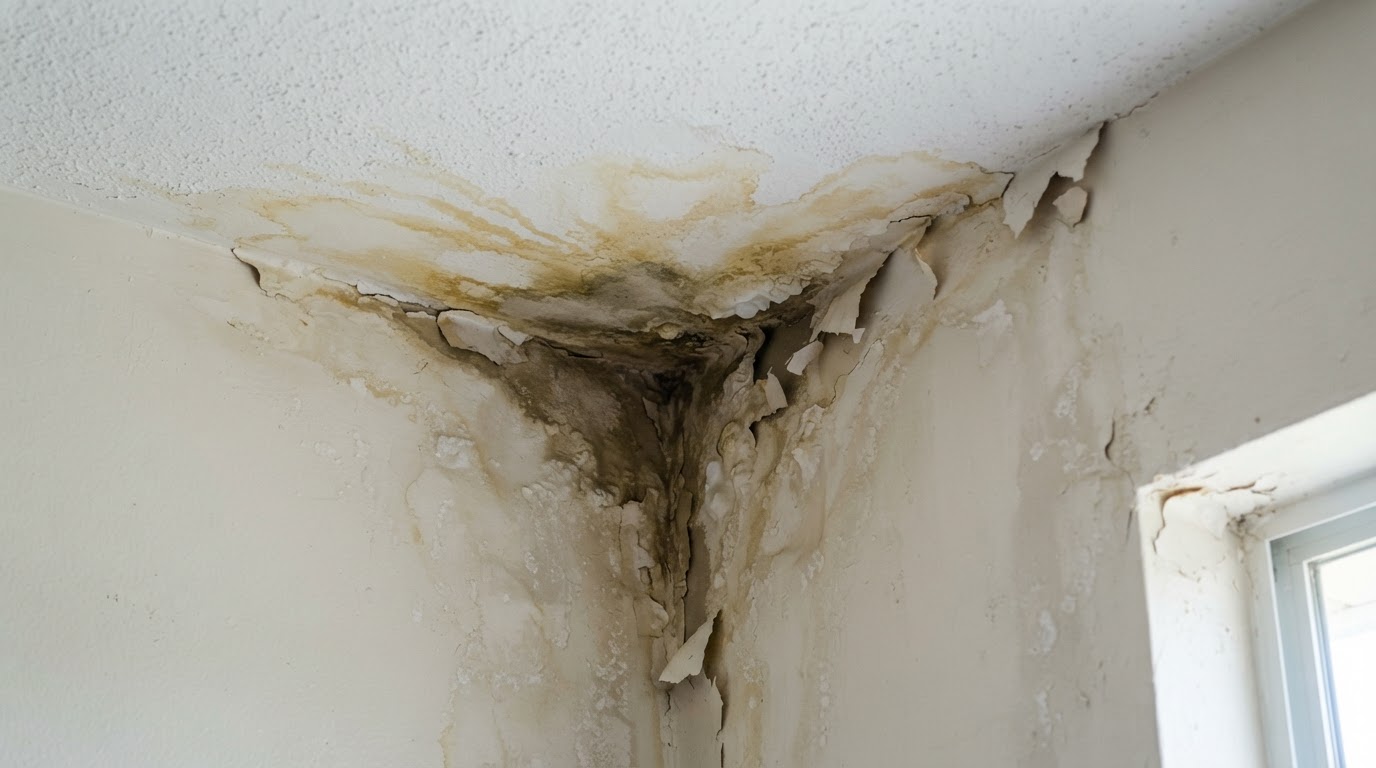
- Discoloration or stains — yellow-brown rings on ceilings or walls, often above a bathroom, near a window, or below a roof line.
- Peeling or bubbling paint and wallpaper — moisture behind the wall pushes paint off the surface.
- Warped or buckling flooring — wood and laminate that cup, buckle, or feel spongy have absorbed water.
- Soft or swollen baseboards and trim — wood that has taken on water swells and loses rigidity.
- Condensation on windows or pipes — a sign that indoor humidity is high enough to cause problems.
Signs to watch for outdoors and in utility spaces
- Water stains in the attic or on the underside of the roof deck — points to a roof leak.
- Dampness or efflorescence (white powdery deposits) on foundation walls — groundwater is seeping through.
- Rust on the water heater or around plumbing fittings — a slow, long-term leak.
- A dripping sound when the house is quiet — often a supply line or drain leak.
The rooms most likely to hide damage
In Maryland homes, a few areas deserve regular attention:
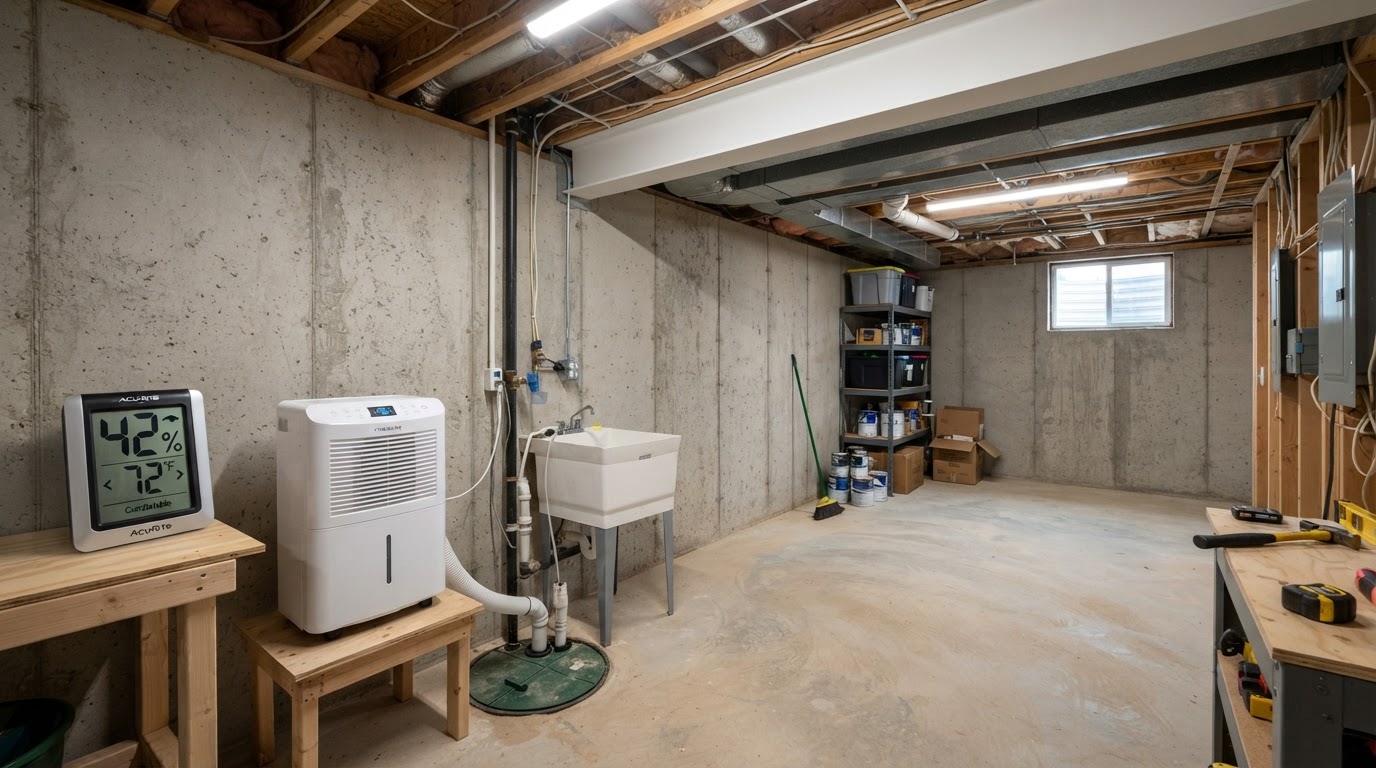
- Basements and crawl spaces — the most common site of hidden moisture
- Around windows and doors — where flashing and caulk fail over time
- Behind and under appliances — refrigerators, dishwashers, washing machines, and water heaters
- Attics — especially after summer storms
- Bathrooms — behind tile, around tubs, and under sinks
What to do when you spot a sign
Do not ignore it, and do not assume it is old or fixed. A stain that looks dry can still mean moisture is trapped behind it. The safest approach:
- 1.Try to find the source — a leak, condensation, or seepage.
- 2.Dry the area thoroughly if it is a small, surface issue.
- 3.If you cannot find the source, or the area stays damp, schedule a moisture inspection.
- 4.Avoid opening up large sections of wall yourself — disturbed wet materials can spread spores.
How a professional inspection helps
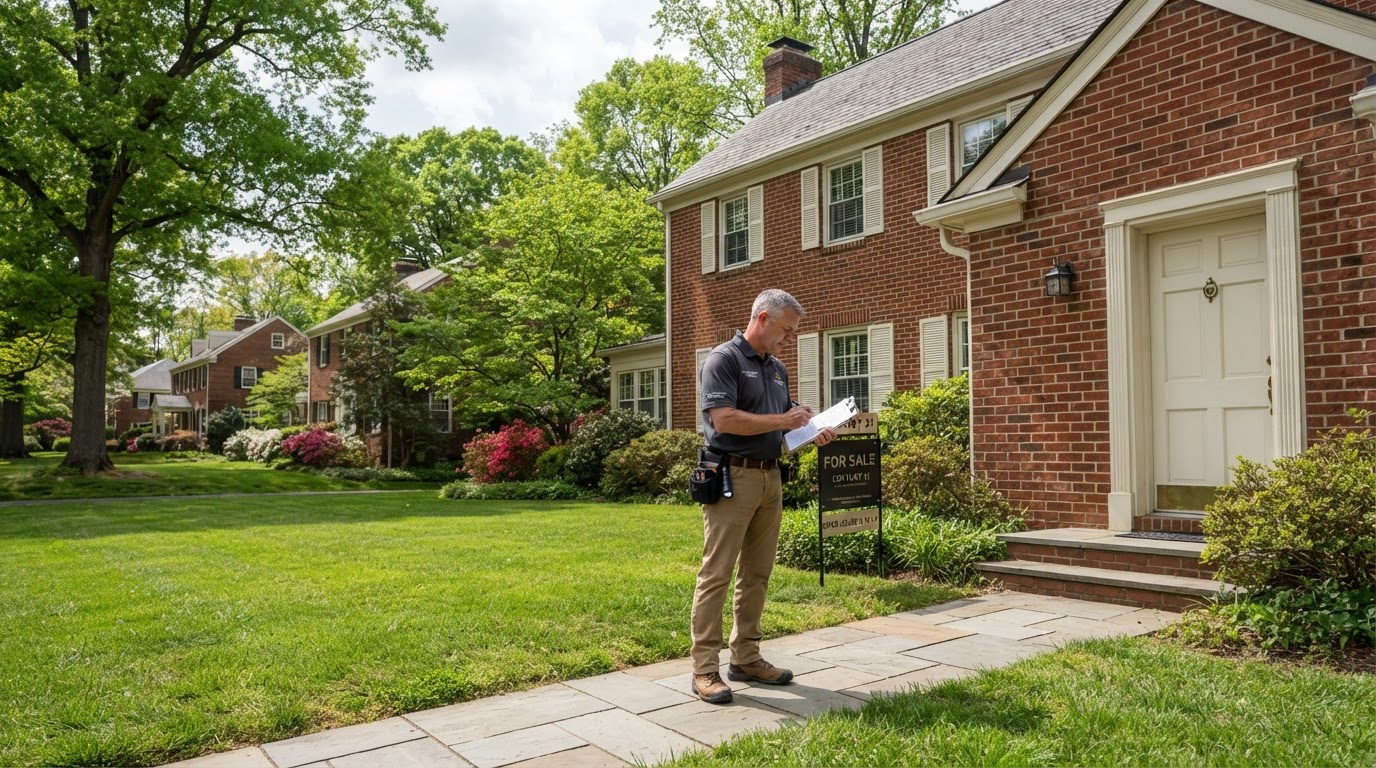
A moisture inspection uses tools that see what your eyes cannot — moisture meters that read inside materials, and thermal cameras that reveal temperature differences caused by hidden dampness. Combined with air sampling, it can confirm whether mold is growing behind a surface and where the moisture is coming from.
Our featured local provider, MD Mold Testing, performs moisture inspections and mold testing across Maryland, Washington, D.C., Northern Virginia, and Delaware.
The bottom line
Hidden water damage is common, and it is the precursor to almost every mold problem. Learning the subtle signs — and acting on them — is the most effective way to keep a small leak from becoming a major remediation.
This article is general educational information and is not professional advice.
Ready to talk to a professional?
Call our featured local provider, MD Mold Testing.