Why Maryland's Humid Summers Increase the Risk of Indoor Mold
Maryland's warm, humid summers create ideal conditions for indoor mold. Learn why moisture builds up in Mid-Atlantic homes and how to keep humidity under control.
Maryland is known for its beautiful four-season climate, but those warm, humid summers are also exactly what mold loves most. From the Chesapeake Bay to the suburbs of Washington, D.C., outdoor humidity from June through September regularly climbs above 60% — and that moisture does not stay outside. Understanding why humid summers drive indoor mold risk is the first step toward keeping your home healthier.
Why humidity matters indoors
Mold needs three things to grow: moisture, a food source, and time. Of the three, moisture is the one you can control. When indoor relative humidity rises above about 60%, the air holds enough water to support mold growth on drywall, wood, paper, fabric, and dust — materials found in nearly every room of a Maryland home.
The Mid-Atlantic's humid summers make this a seasonal challenge. Warm air holds more moisture than cool air, and when that warm, humid air meets cooler indoor surfaces, the water condenses out — the same way a cold glass sweats on a July afternoon.
Where moisture collects in Maryland homes
Several features common to homes across Maryland, Northern Virginia, and Delaware make certain areas especially vulnerable:
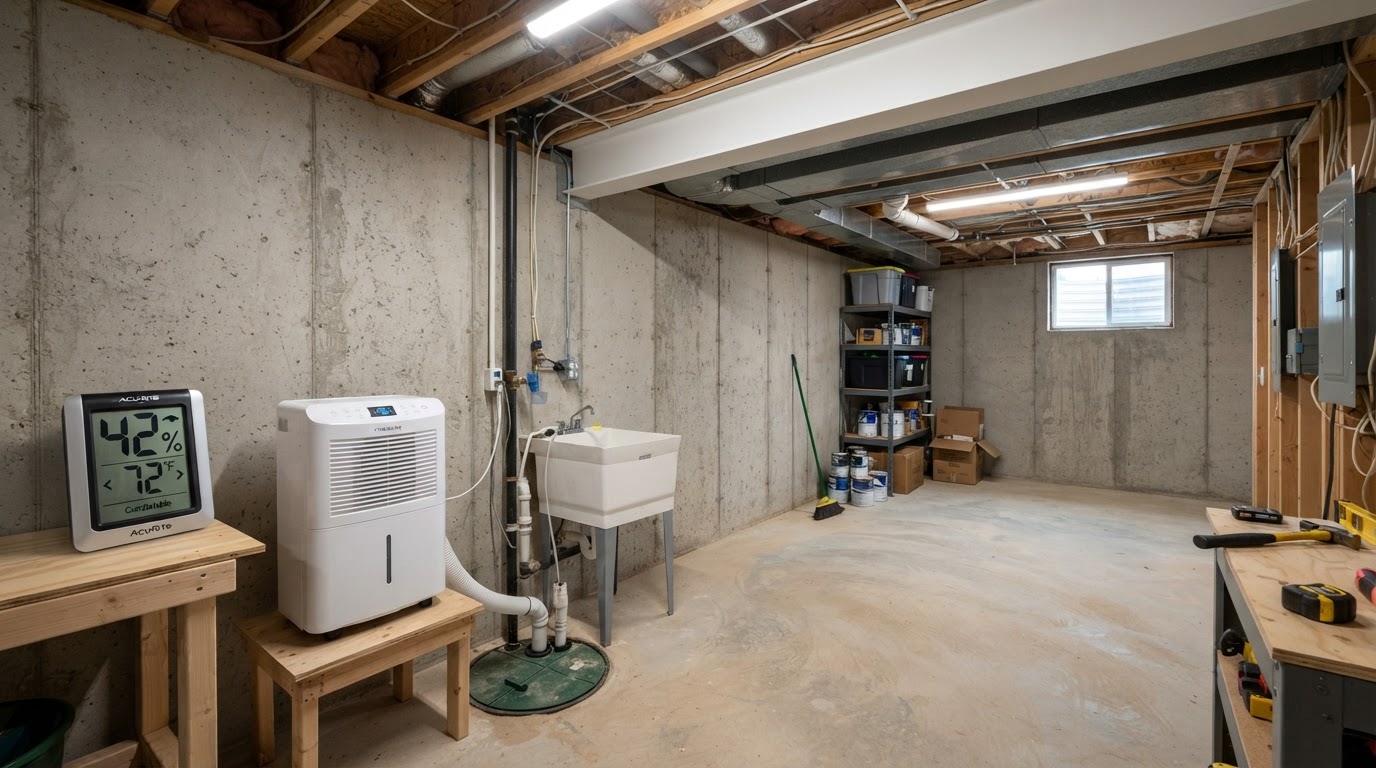
- Basements and crawl spaces — below-grade spaces stay cool year-round, so humid summer air condenses on foundation walls and floors.
- Bathrooms without working exhaust fans — a hot shower adds gallons of moisture to an already humid room.
- Around windows and doors — condensation forms on cool glass when outdoor humidity is high.
- Attics with poor ventilation — humid air rises and gets trapped, especially after roof leaks from summer thunderstorms.
- Laundry rooms — unvented dryers or long drying cycles pump moisture indoors.
The role of air conditioning
Air conditioning is your friend here, but only if it is sized and maintained correctly. An AC unit does two jobs: it cools the air and removes moisture from it. A properly sized system runs long enough to dehumidify. An oversized unit, on the other hand, cools the home quickly and shuts off before it has time to pull the moisture out — leaving you with cool but clammy air.
A few habits help your AC manage humidity:
- Set the thermostat to a consistent temperature rather than turning it off and on.
- Change filters regularly so airflow stays strong.
- Consider a whole-home dehumidifier if indoor humidity stays above 55% even with the AC running.
- Keep a hygrometer in a central room and check it during the most humid weeks.
Summer thunderstorms and water intrusion
Maryland summers also bring heavy thunderstorms and the occasional tropical system. A single intense downpour can expose weak spots in a roof, around a chimney, or at window flashing. Water that gets in during a storm may dry at the surface but stay trapped inside a wall cavity — exactly where mold takes hold unseen.
After any significant storm, it is worth checking attics, ceilings, and around windows for new water stains. Catching a small leak early is far easier than remediating mold that has been growing for months.
Practical steps to reduce summer mold risk
- Keep indoor humidity below 50% — a $20 hygrometer tells you when it climbs.
- Run bathroom and kitchen fans for 20–30 minutes after showers and cooking.
- Make sure your dryer vents to the outside, not into a basement or crawl space.
- Use a dehumidifier in damp basements and empty it or plumb it to a drain.
- Inspect your roof, gutters, and downspouts before the humid season starts.
- Leave interior doors open occasionally to keep air circulating.
The bottom line
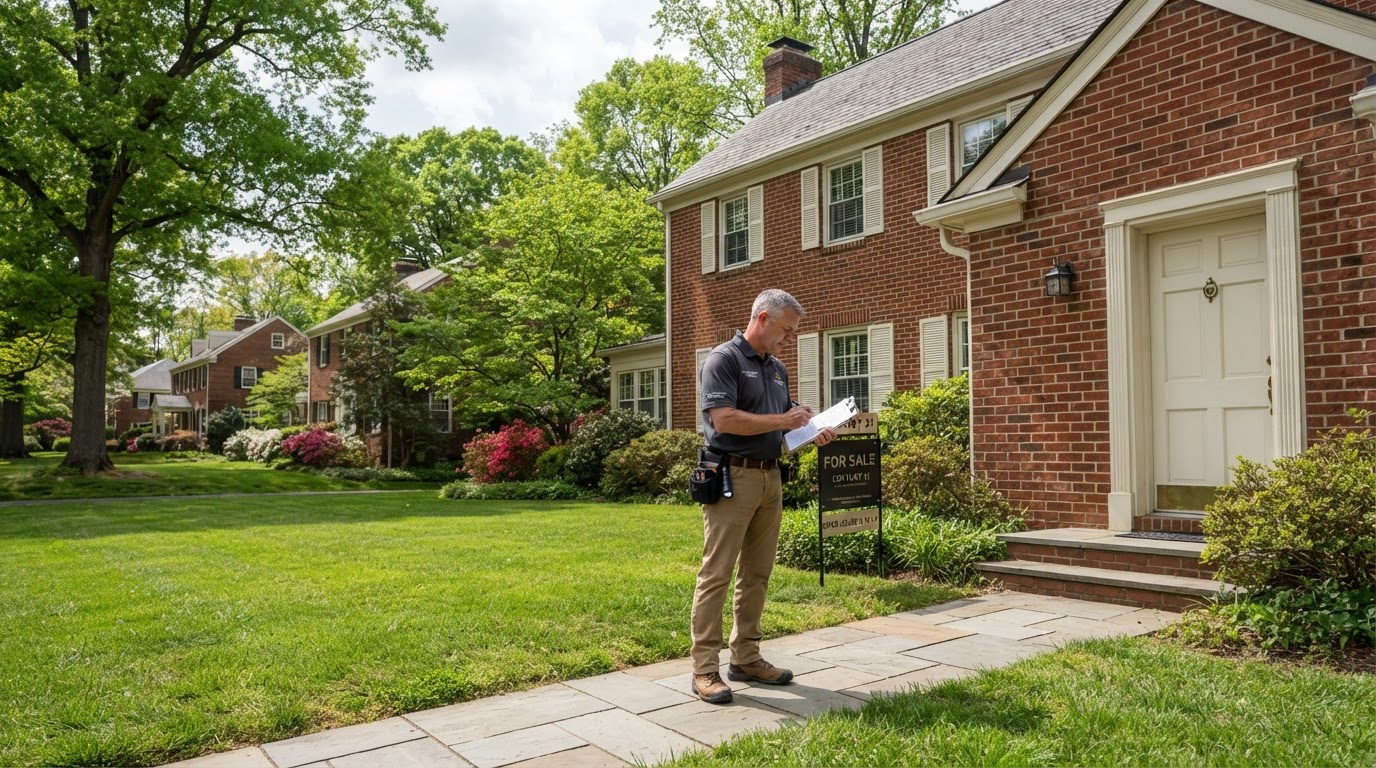
Maryland's humid summers are a fact of life, but indoor mold does not have to be. The key is managing moisture — keeping humidity in check, ventilating wet rooms, and catching water intrusion early. When you cannot find the source of a musty smell or recurring dampness, a professional moisture inspection and mold test can tell you what is happening behind the surfaces.
This article is general educational information and is not professional advice.
Ready to talk to a professional?
Call our featured local provider, MD Mold Testing.