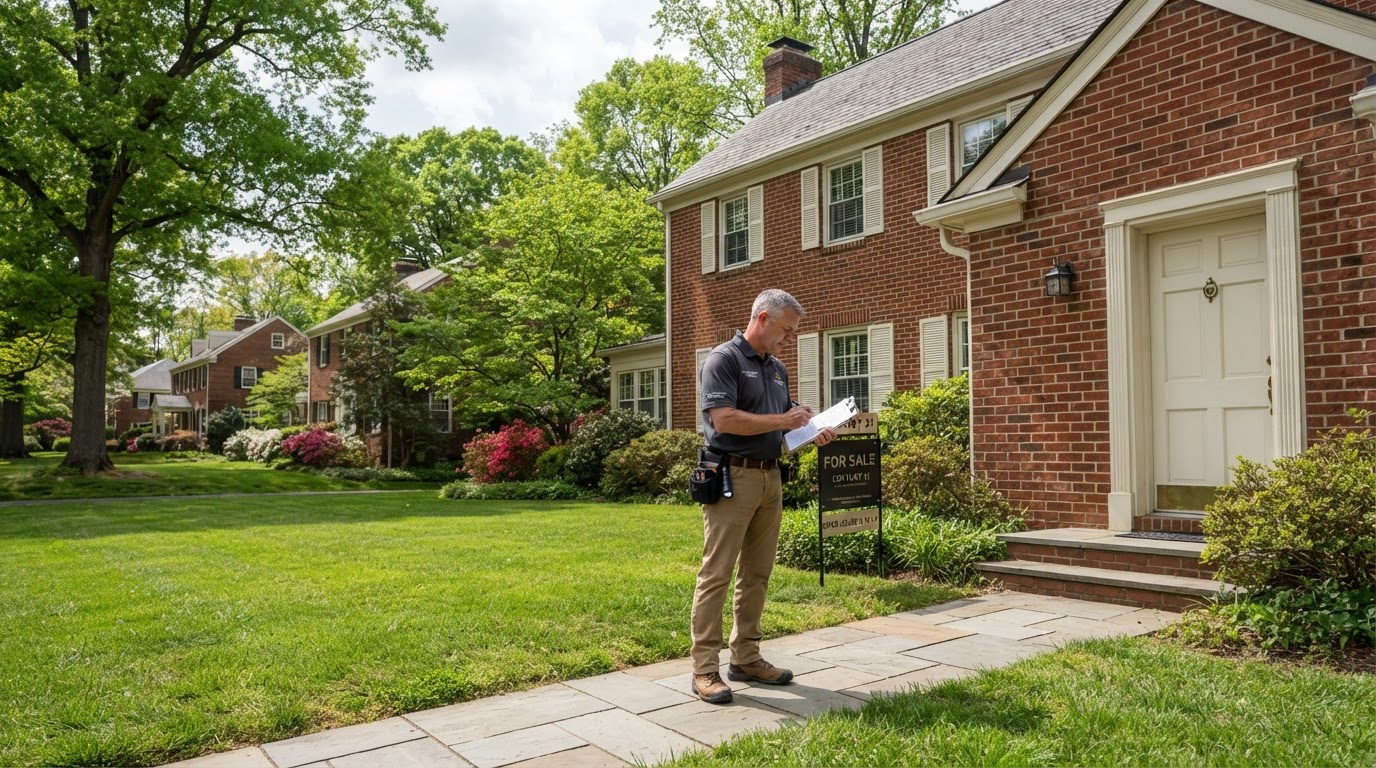
Air sampling measures the concentration of mold spores in the air at a given moment, usually compared to an outdoor baseline sample. It helps identify hidden growth when spore levels indoors are elevated. Surface sampling uses tape lifts or swabs to collect material directly from a visible spot or suspected area, identifying the specific mold type growing there. Each method answers a different question, and a thorough inspection often uses both. Neither is perfect on its own, which is why results are interpreted alongside a visual moisture assessment.
Why this matters
Knowing whether mold is present — and where the moisture comes from — lets you make informed decisions instead of guessing. A professional assessment separates a cosmetic issue from a hidden problem that could worsen over time. For homeowners in Maryland, Washington, D.C., Northern Virginia & Delaware, these factors are shaped by the region's humid climate and the age of much of its housing stock.
What this means in Maryland, Washington, D.C., Northern Virginia & Delaware
Across Maryland, Washington, D.C., Northern Virginia, and Delaware, the humid Mid-Atlantic climate makes indoor moisture control the single biggest factor in preventing mold.
Common causes & warning signs
- High indoor humidity, especially during humid Mid-Atlantic summers
- Condensation on cool surfaces like windows, pipes, and ductwork
- Air leaks that let humid outdoor air enter conditioned spaces
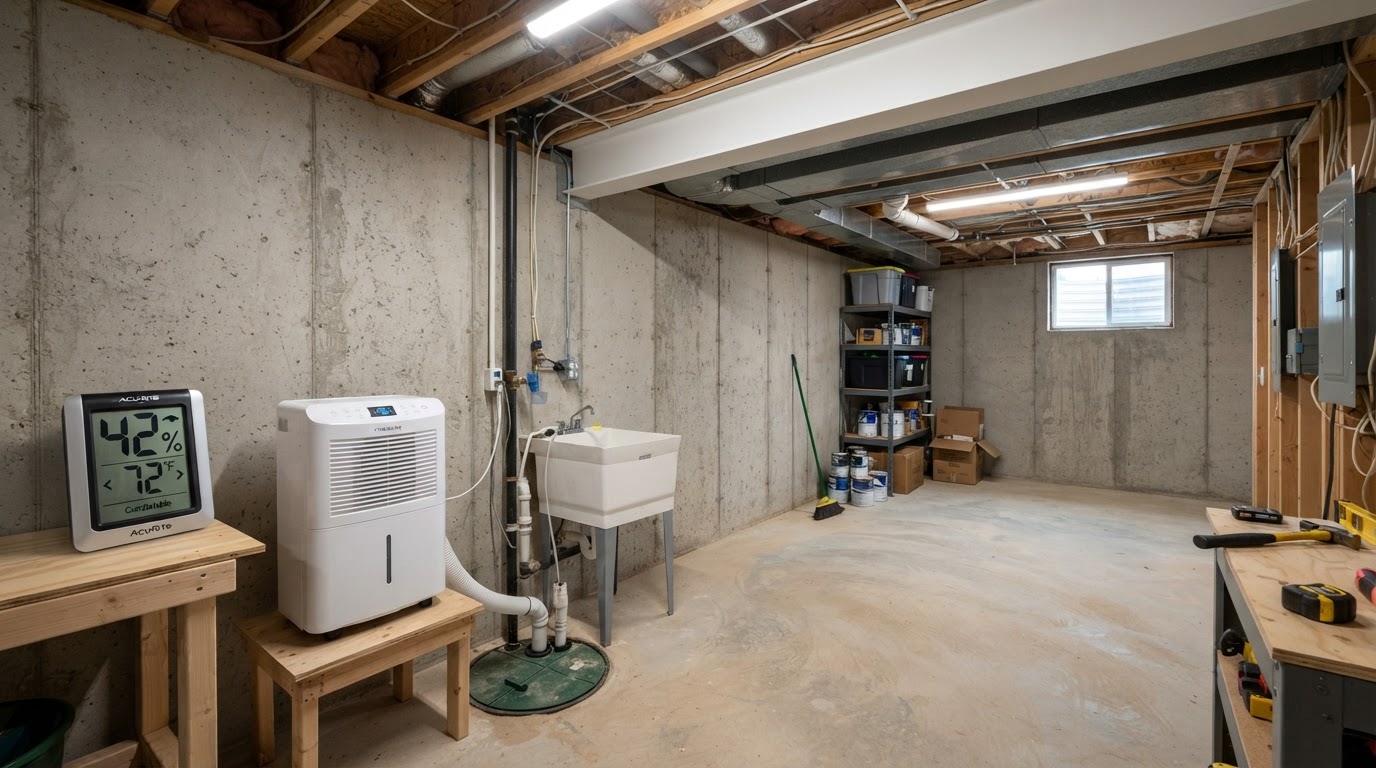
- Inadequate dehumidification in basements and crawl spaces
- Slow plumbing leaks inside wall cavities
- Moisture behind drywall, under flooring, or above ceilings
What you can do
- Keep indoor humidity between roughly 30–50% in cool months and below 60% in summer
- Use exhaust fans and dehumidifiers in damp spaces
- Insulate cold surfaces to prevent condensation
- Seal air leaks that let humid air enter
- Don't ignore a musty odor even if nothing is visible
- Watch for warped materials, peeling paint, or unexplained staining
When to call a professional
If you're dealing with this issue in Maryland, Washington, D.C., Northern Virginia & Delaware, it's worth getting a professional opinion when the problem is hidden, widespread, recurring, or tied to a water event you can't fully trace. Our featured local provider, MD Mold Testing, performs independent mold testing, mold inspections, and environmental assessments — including radon, asbestos, and lead testing — throughout Maryland, Washington, D.C., Northern Virginia, and Delaware. Because they focus on testing and inspection, they can give you an unbiased read on what's actually happening in your home. Call (301) 717-1454 or visit https://www.mdmoldtesting.com/ to schedule an assessment.