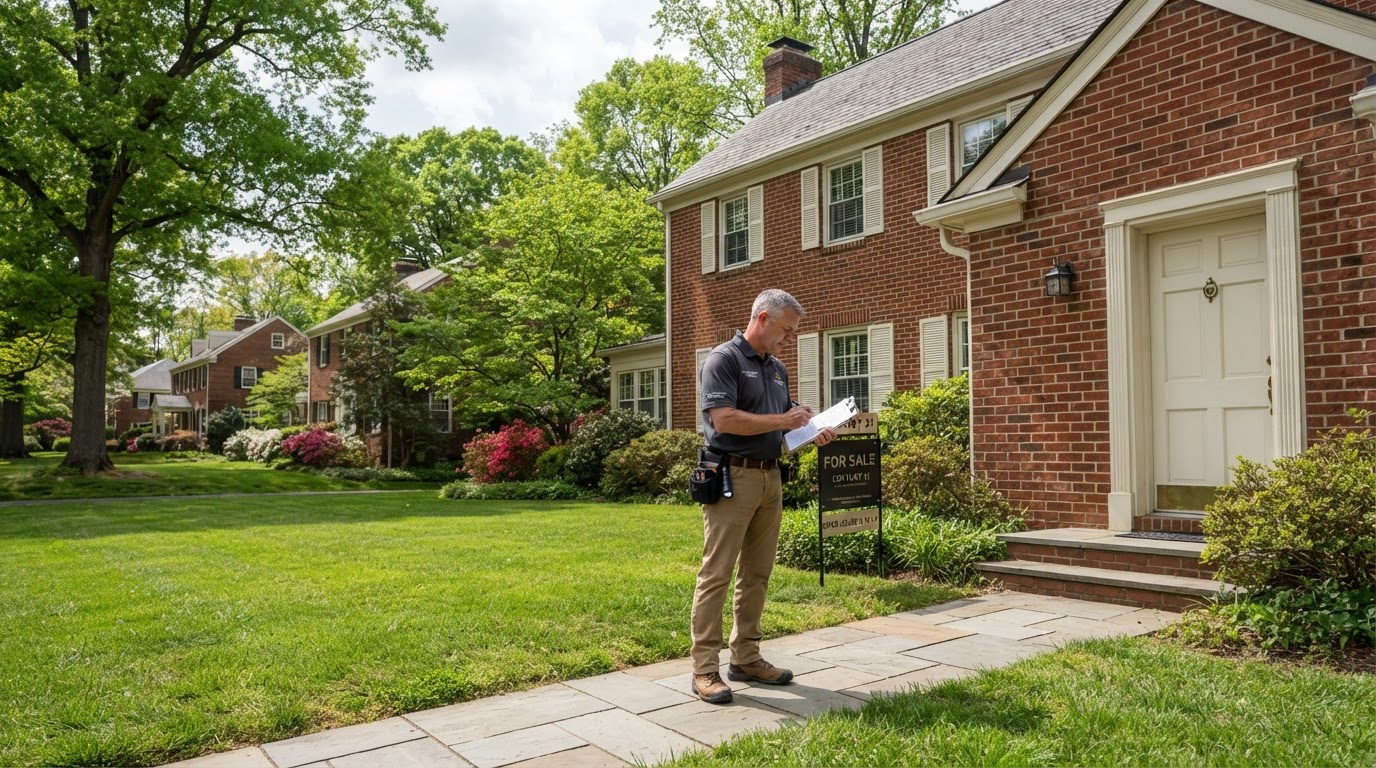
If a buyer's inspection reveals mold, the buyer may request repairs, a price reduction, or in some cases, the right to walk away, depending on the contract terms. This is why a pre-listing inspection is valuable — it lets you address issues before they become negotiation leverage. If mold is found, you can obtain your own assessment to verify the findings and discuss options with your real estate agent and attorney.
Why this matters
Mold is a symptom of a moisture problem. Understanding why and where it grows is the first step toward a healthier home, because the same conditions that allow mold to thrive can also quietly damage building materials and affect indoor air quality. For homeowners in Maryland, Washington, D.C., Northern Virginia & Delaware, these factors are shaped by the region's humid climate and the age of much of its housing stock.
What this means in Maryland, Washington, D.C., Northern Virginia & Delaware
Across Maryland, Washington, D.C., Northern Virginia, and Delaware, the humid Mid-Atlantic climate makes indoor moisture control the single biggest factor in preventing mold.
Common causes & warning signs
- Hidden moisture and mold issues not visible during a standard showing
- Past water events that were cosmetically repaired but never fully dried
- Aging plumbing, roofing, and foundations in older homes
- Environmental hazards like radon, asbestos, and lead common in older housing
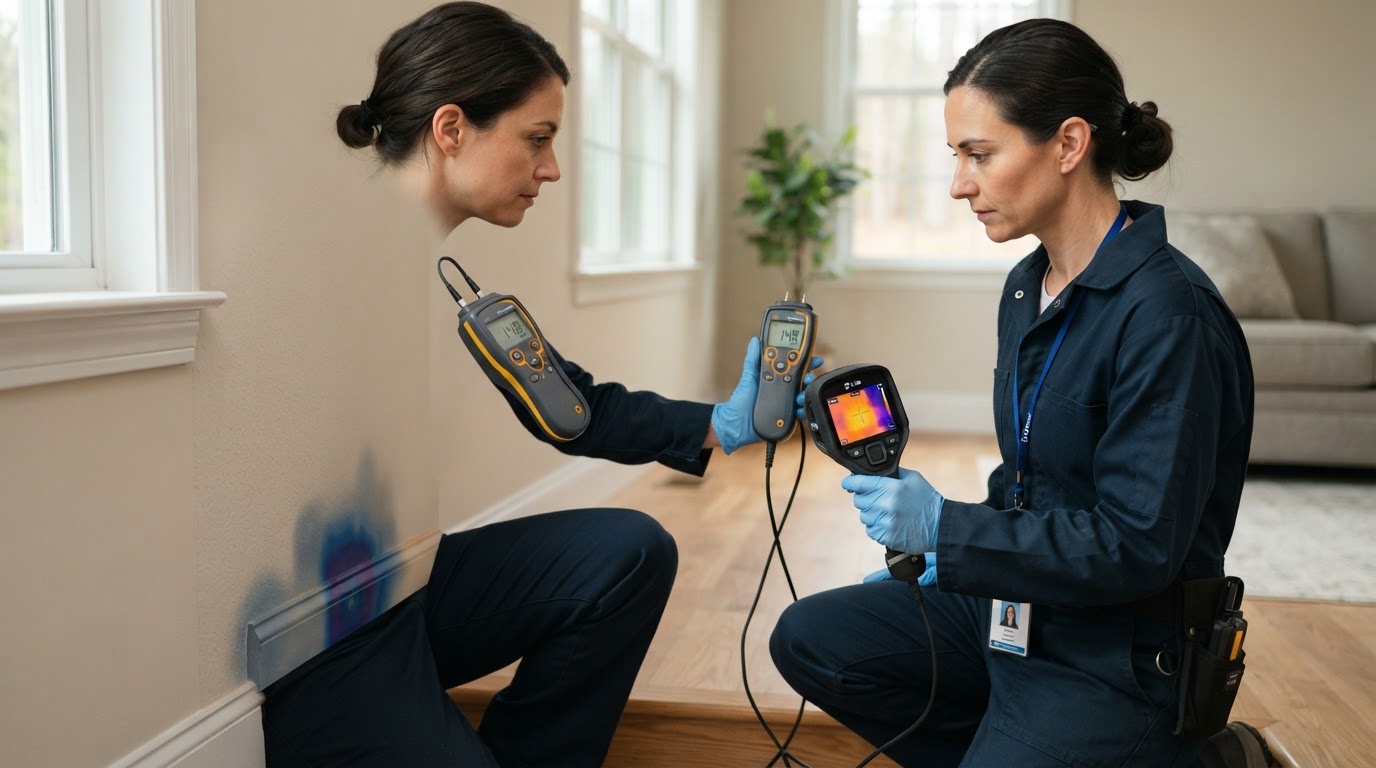
- The scope of testing — a single area vs. a whole-home assessment
- Whether lab analysis of air or surface samples is included
What you can do
- Include a mold and moisture inspection in your due-diligence period
- Ask about any past water events, repairs, or insurance claims
- Consider bundling radon, asbestos, and lead testing for older homes
- Use findings to negotiate repairs or make an informed decision
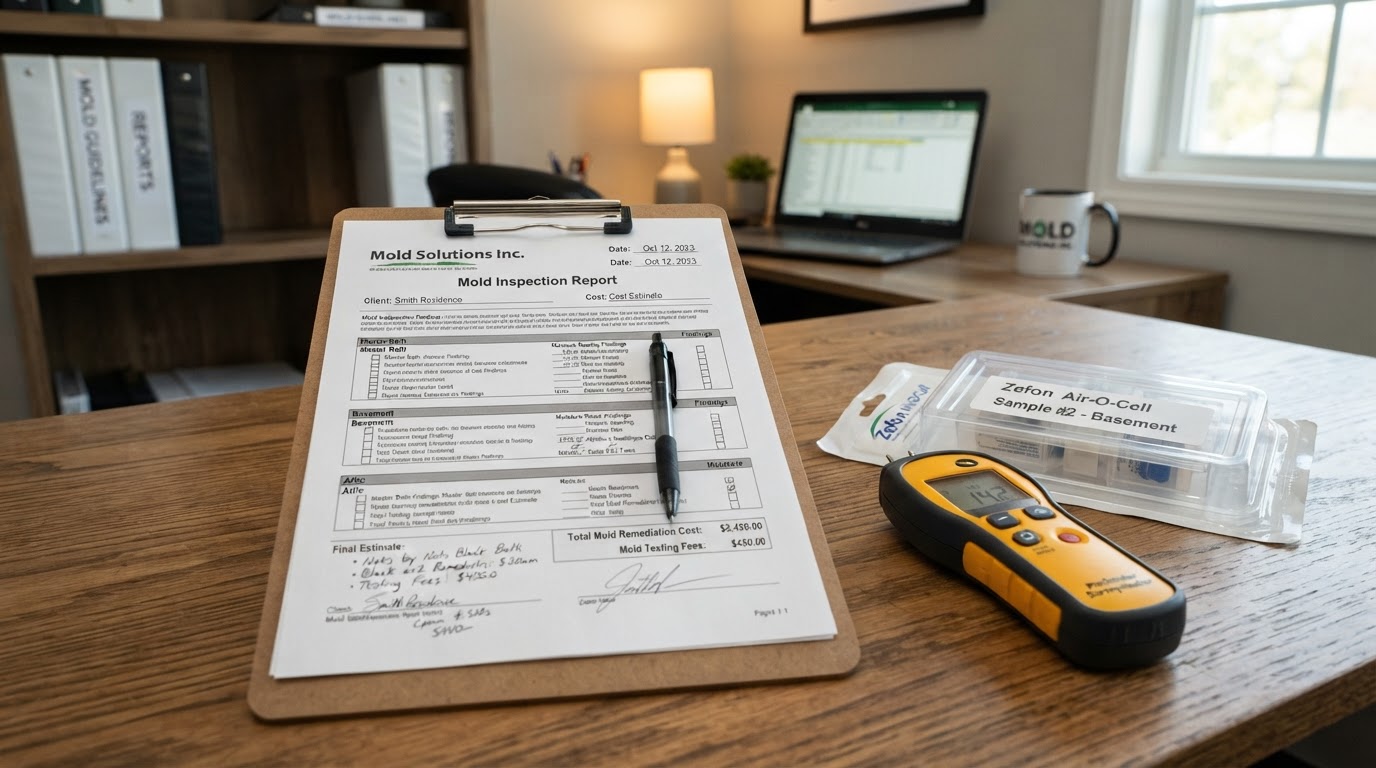
- Clarify what's included: visual assessment, sampling, and lab fees
- Ask how many samples are recommended for your specific concern
When to call a professional
If you're dealing with this issue in Maryland, Washington, D.C., Northern Virginia & Delaware, it's worth getting a professional opinion when the problem is hidden, widespread, recurring, or tied to a water event you can't fully trace. Our featured local provider, MD Mold Testing, performs independent mold testing, mold inspections, and environmental assessments — including radon, asbestos, and lead testing — throughout Maryland, Washington, D.C., Northern Virginia, and Delaware. Because they focus on testing and inspection, they can give you an unbiased read on what's actually happening in your home. Call (301) 717-1454 or visit https://www.mdmoldtesting.com/ to schedule an assessment.