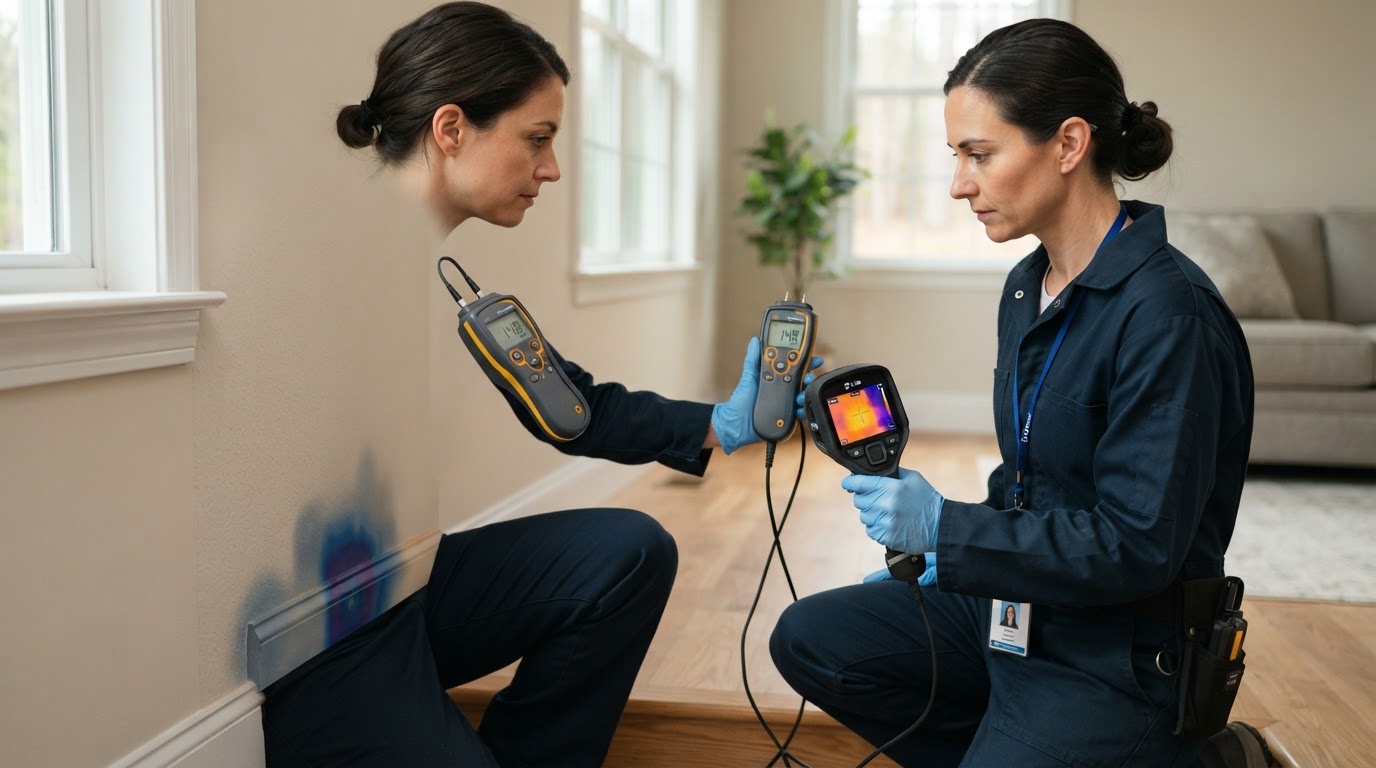
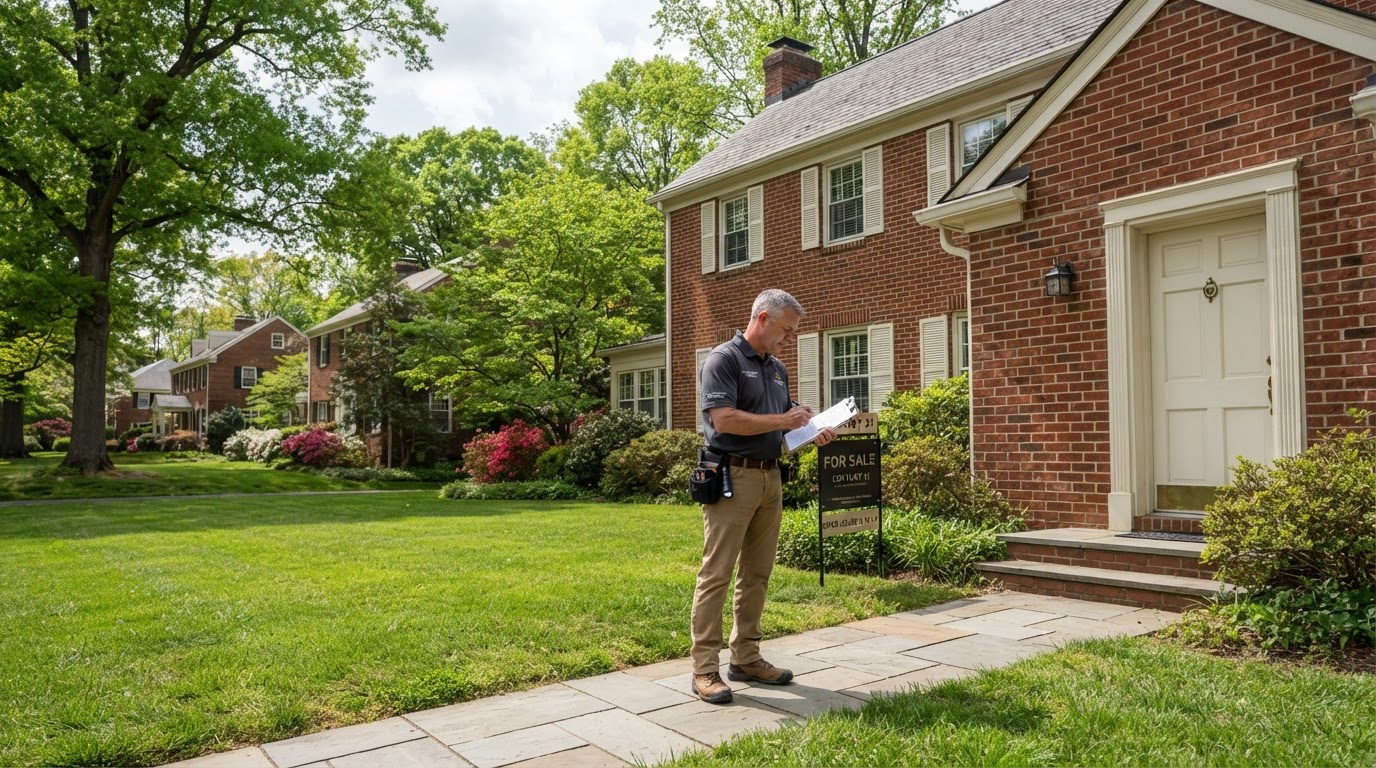
If you suspect mold in a leased commercial space, document your concerns with photos and notes, notify the property owner or manager in writing, and request a professional mold assessment. Tenants have a right to a safe and healthy environment. If the owner is unresponsive, you may need to consult a tenant's rights attorney. In the meantime, avoid disturbing suspected mold, which can spread spores.
Why this matters
Mold is a symptom of a moisture problem. Understanding why and where it grows is the first step toward a healthier home, because the same conditions that allow mold to thrive can also quietly damage building materials and affect indoor air quality. For homeowners in Maryland, Washington, D.C., Northern Virginia & Delaware, these factors are shaped by the region's humid climate and the age of much of its housing stock.
What this means in Maryland, Washington, D.C., Northern Virginia & Delaware
Across Maryland, Washington, D.C., Northern Virginia, and Delaware, the humid Mid-Atlantic climate makes indoor moisture control the single biggest factor in preventing mold.
Common causes & warning signs
- Keeping indoor humidity below roughly 50–60% with dehumidification
- Promptly drying any wet material within 24–48 hours
- Sealing air leaks and insulating cold surfaces to limit condensation
- Maintaining gutters, grading, and ventilation year-round
- Larger HVAC systems with more condensation and drainage points
- Roof and envelope leaks across bigger building footprints
What you can do
- Control humidity and dry wet areas quickly
- Maintain gutters, downspouts, and grading
- Ventilate moisture-producing activities to the exterior
- Inspect basements, crawl spaces, and attics seasonally
- Maintain HVAC drainage and ventilation balance
- Inspect the roof and envelope after storms
When to call a professional
If you're dealing with this issue in Maryland, Washington, D.C., Northern Virginia & Delaware, it's worth getting a professional opinion when the problem is hidden, widespread, recurring, or tied to a water event you can't fully trace. Our featured local provider, MD Mold Testing, performs independent mold testing, mold inspections, and environmental assessments — including radon, asbestos, and lead testing — throughout Maryland, Washington, D.C., Northern Virginia, and Delaware. Because they focus on testing and inspection, they can give you an unbiased read on what's actually happening in your home. Call (301) 717-1454 or visit https://www.mdmoldtesting.com/ to schedule an assessment.