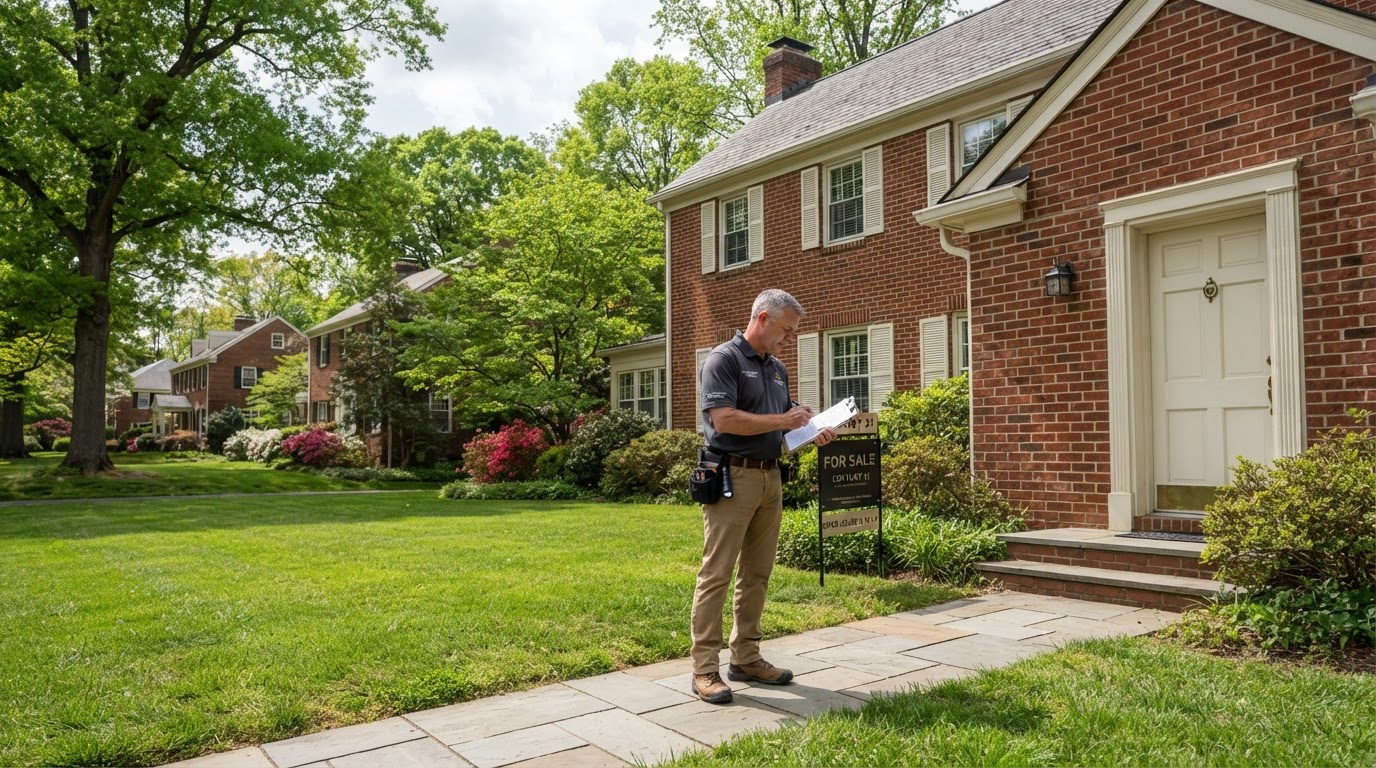
If the home was built before 1978, consider a lead assessment as part of your pre-purchase inspection, especially if you have or plan to have young children. Federal law requires sellers to disclose known lead-based paint hazards and provide buyers with a lead information pamphlet. A lead inspection or risk assessment can identify hazards before purchase, letting you budget for remediation or make an informed decision. This is particularly important if you plan to renovate.
Why this matters
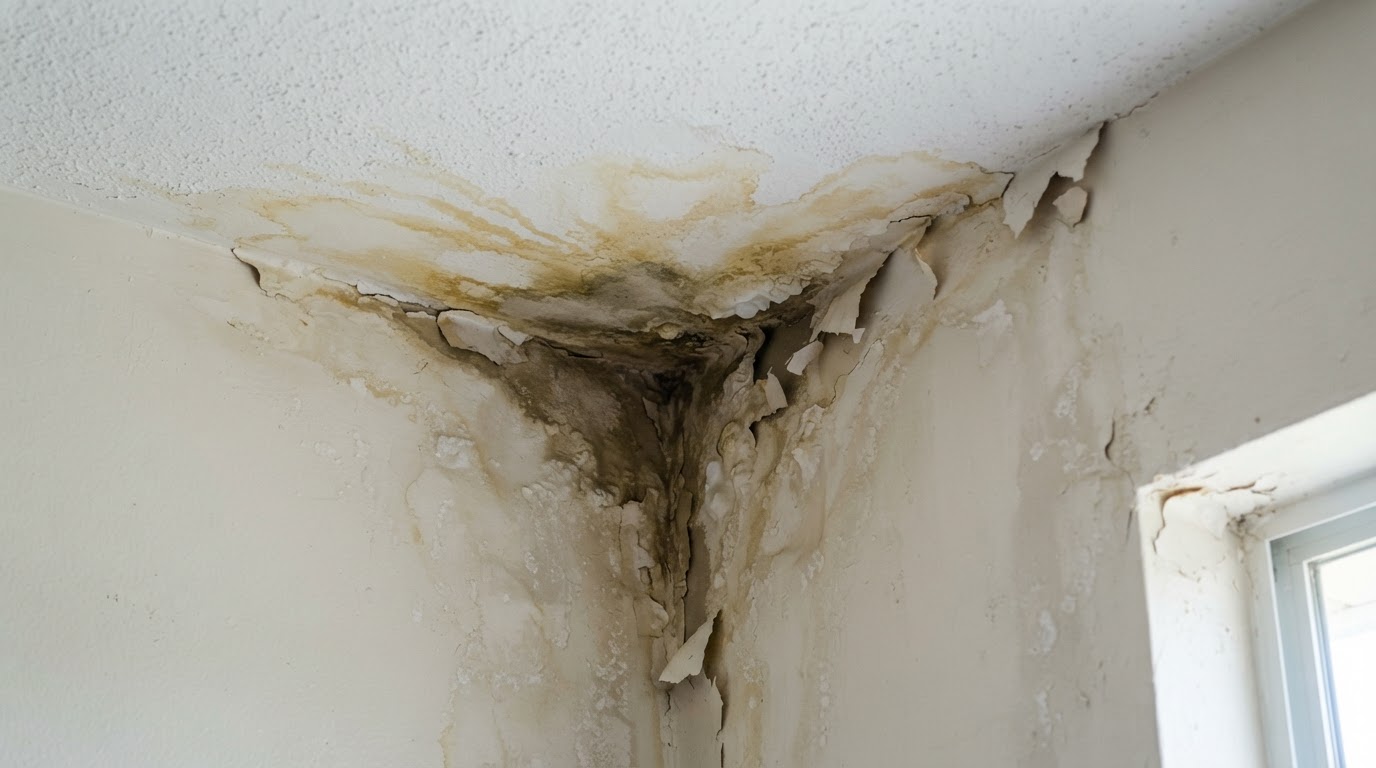
Mold is a symptom of a moisture problem. Understanding why and where it grows is the first step toward a healthier home, because the same conditions that allow mold to thrive can also quietly damage building materials and affect indoor air quality. For homeowners in Maryland, Washington, D.C., Northern Virginia & Delaware, these factors are shaped by the region's humid climate and the age of much of its housing stock.
What this means in Maryland, Washington, D.C., Northern Virginia & Delaware
Across Maryland, Washington, D.C., Northern Virginia, and Delaware, the humid Mid-Atlantic climate makes indoor moisture control the single biggest factor in preventing mold.
Common causes & warning signs
- Deteriorating lead-based paint in homes built before 1978
- Lead dust from friction surfaces like old windows and doors
- Lead service lines or plumbing solder contributing to water concerns
- Renovation that disturbs painted surfaces and creates contaminated dust
- Moisture meters and thermal imaging to locate dampness behind surfaces
- Air sampling that compares indoor and outdoor spore concentrations
What you can do
- Assume homes built before 1978 may contain lead-based paint
- Use lead-safe renovation practices or hire a certified firm
- Have children's blood lead levels checked if exposure is a concern
- Test painted surfaces and dust before disturbing them
- Choose an independent tester with no stake in remediation work
- Ask for a written report with findings and recommendations
When to call a professional
If you're dealing with this issue in Maryland, Washington, D.C., Northern Virginia & Delaware, it's worth getting a professional opinion when the problem is hidden, widespread, recurring, or tied to a water event you can't fully trace. Our featured local provider, MD Mold Testing, performs independent mold testing, mold inspections, and environmental assessments — including radon, asbestos, and lead testing — throughout Maryland, Washington, D.C., Northern Virginia, and Delaware. Because they focus on testing and inspection, they can give you an unbiased read on what's actually happening in your home. Call (301) 717-1454 or visit https://www.mdmoldtesting.com/ to schedule an assessment.