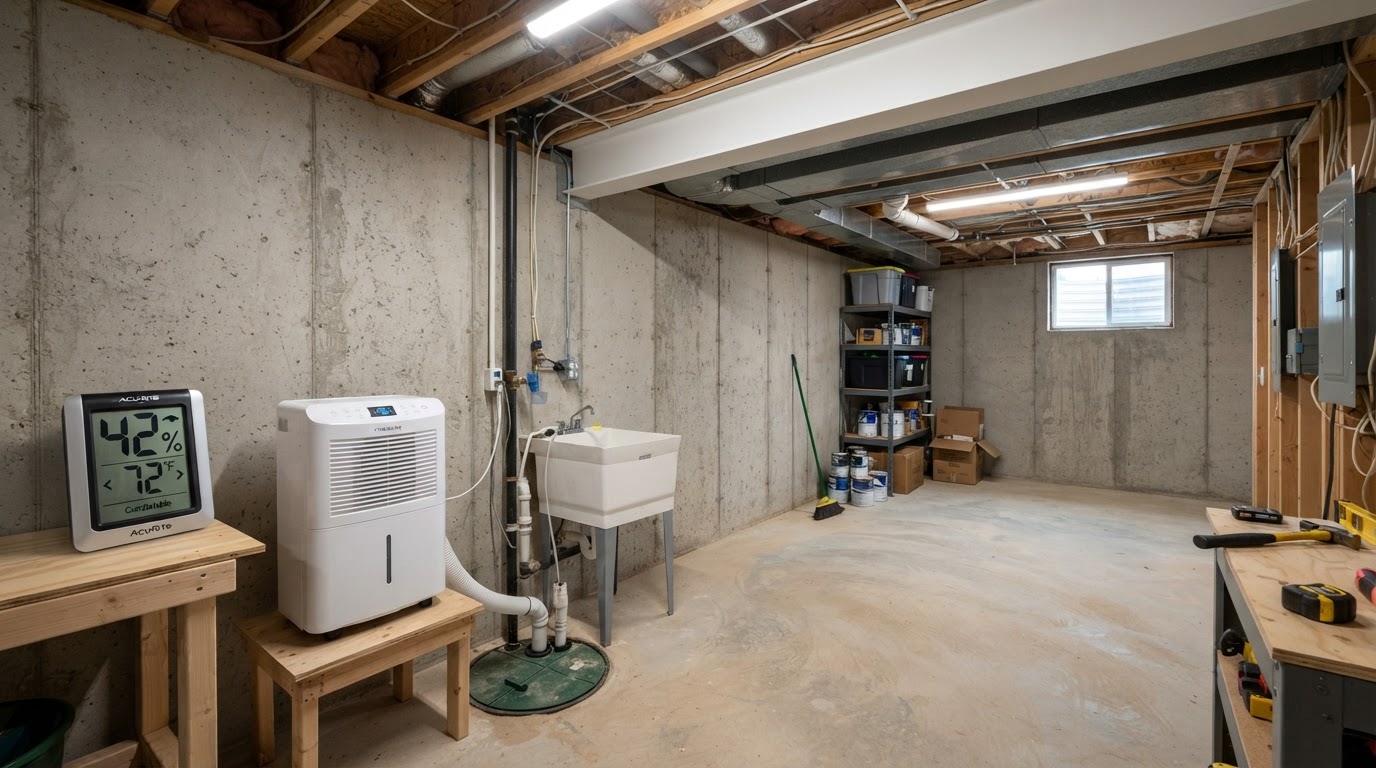
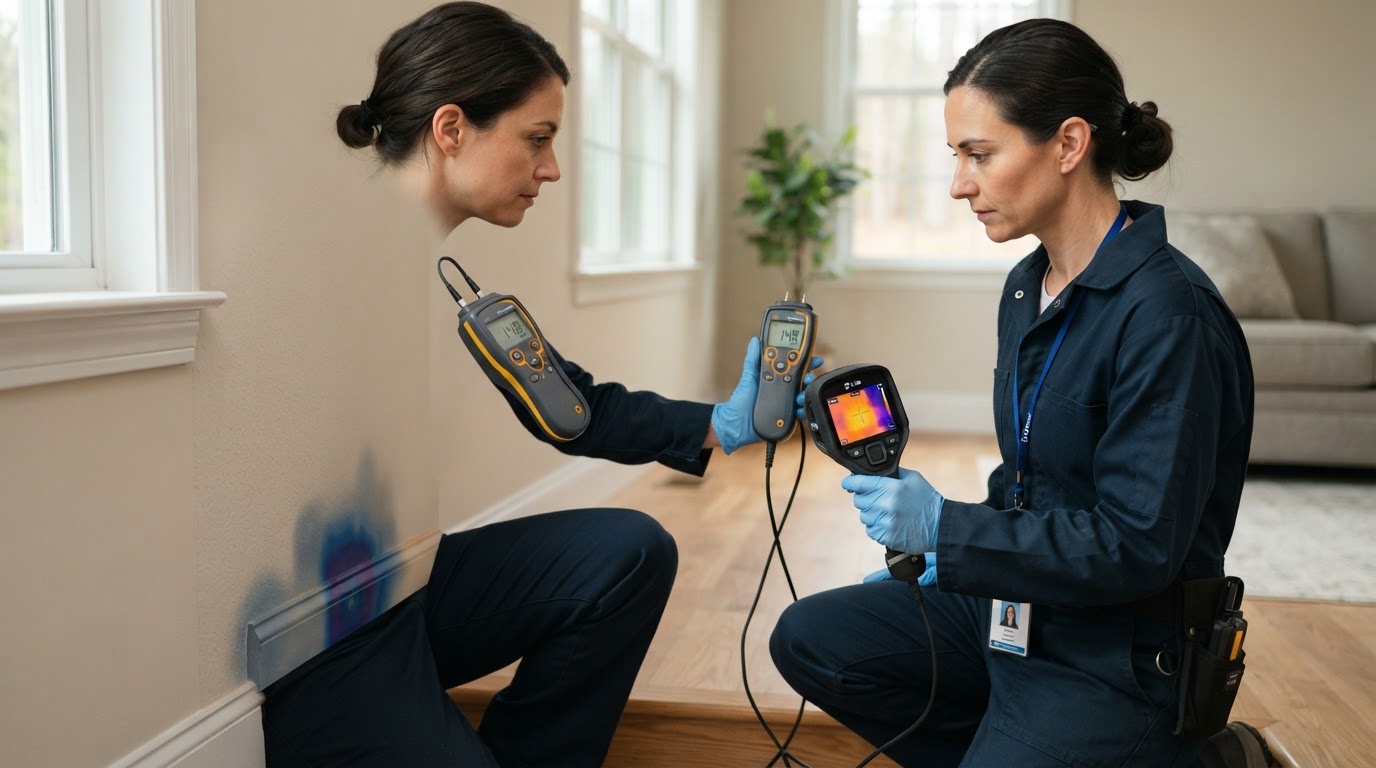
Radon testing uses either short-term or long-term test devices. Short-term tests (2–7 days) use activated charcoal or electret ion detectors and provide a quick reading. Long-term tests (90+ days) use alpha track detectors and give a more accurate picture of year-round average levels. For real estate transactions, short-term testing with a continuous monitor is common. Professional testing ensures proper placement, closed-building conditions, and accurate lab analysis. DIY test kits are also available but require careful adherence to instructions.
Why this matters
Mold is a symptom of a moisture problem. Understanding why and where it grows is the first step toward a healthier home, because the same conditions that allow mold to thrive can also quietly damage building materials and affect indoor air quality. For homeowners in Maryland, Washington, D.C., Northern Virginia & Delaware, these factors are shaped by the region's humid climate and the age of much of its housing stock.
What this means in Maryland, Washington, D.C., Northern Virginia & Delaware
Across Maryland, Washington, D.C., Northern Virginia, and Delaware, the humid Mid-Atlantic climate makes indoor moisture control the single biggest factor in preventing mold.
Common causes & warning signs
- Naturally occurring uranium in soil breaking down into radon gas
- Gas entering through foundation cracks, sumps, and crawl-space floors
- Tight, energy-efficient construction that traps soil gases indoors
- Seasonal pressure differences that draw soil air into the home
- Hidden moisture and mold issues not visible during a standard showing
- Past water events that were cosmetically repaired but never fully dried
What you can do
- Test every home — radon is odorless and the only way to know is to test
- Re-test after major renovations or every few years
- If levels are elevated, hire a qualified mitigator to install a system
- Re-test after mitigation to confirm levels were reduced
- Include a mold and moisture inspection in your due-diligence period
- Ask about any past water events, repairs, or insurance claims
When to call a professional
If you're dealing with this issue in Maryland, Washington, D.C., Northern Virginia & Delaware, it's worth getting a professional opinion when the problem is hidden, widespread, recurring, or tied to a water event you can't fully trace. Our featured local provider, MD Mold Testing, performs independent mold testing, mold inspections, and environmental assessments — including radon, asbestos, and lead testing — throughout Maryland, Washington, D.C., Northern Virginia, and Delaware. Because they focus on testing and inspection, they can give you an unbiased read on what's actually happening in your home. Call (301) 717-1454 or visit https://www.mdmoldtesting.com/ to schedule an assessment.