Annapolis's proximity to the Chesapeake Bay means higher ambient humidity, which can raise indoor moisture levels. Historic homes in Annapolis may have aging infrastructure and foundations vulnerable to water intrusion. Waterfront properties may need more aggressive dehumidification. If you live in Annapolis, monitoring humidity and maintaining ventilation is especially important.
Why this matters
Mold and moisture concerns have a local dimension — climate, housing age, and geography all shape the risks homeowners actually face in their community. For homeowners in Annapolis, Maryland, these factors are shaped by the region's humid climate and the age of much of its housing stock.
What this means in Annapolis, Maryland
Annapolis's proximity to the Chesapeake Bay raises ambient humidity, so waterfront and historic homes need more aggressive dehumidification and ventilation.
Common causes & warning signs
- Burst or leaking supply lines, water heaters, and washing-machine hoses
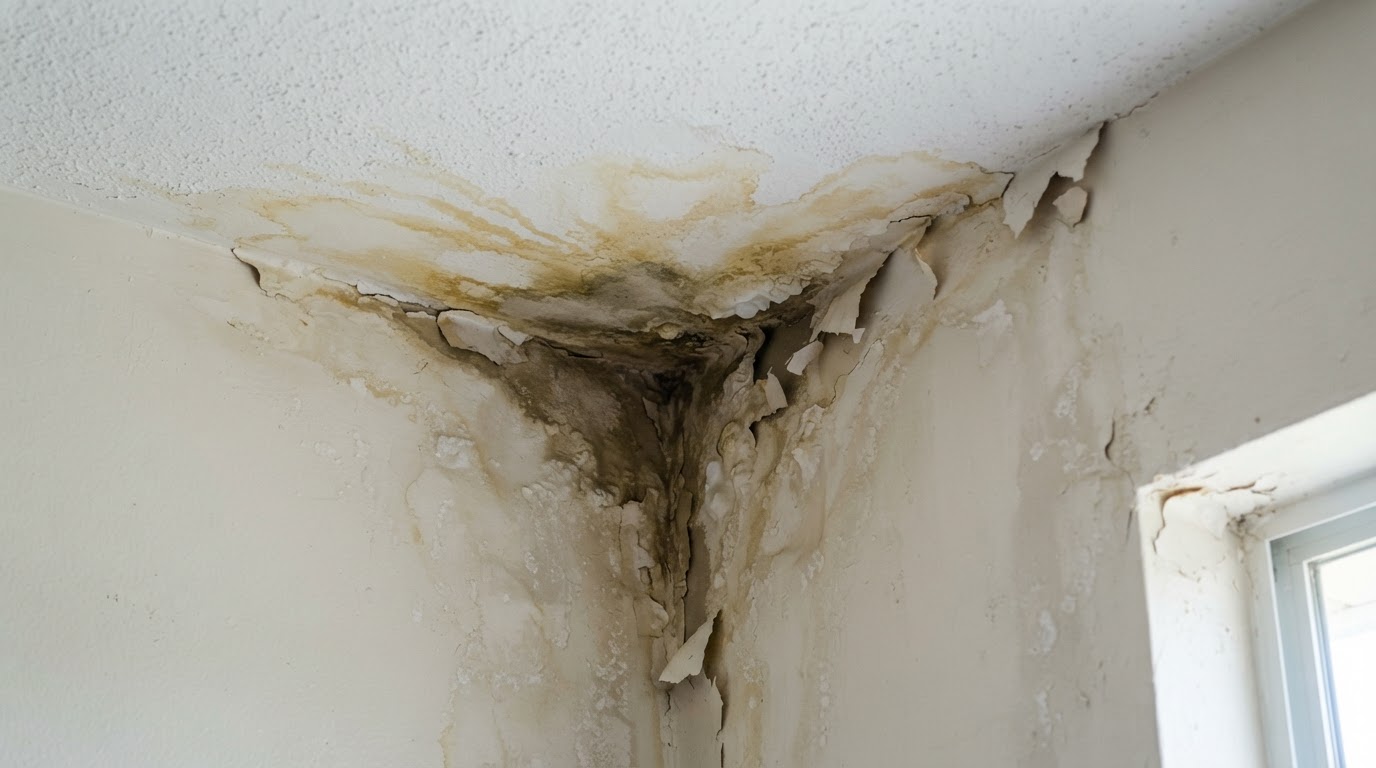
- Roof leaks, ice dams, and failed flashing that wet framing and insulation
- Storm and flood water entering basements, crawl spaces, or lower levels
- Slow plumbing leaks behind walls that go unnoticed for long periods
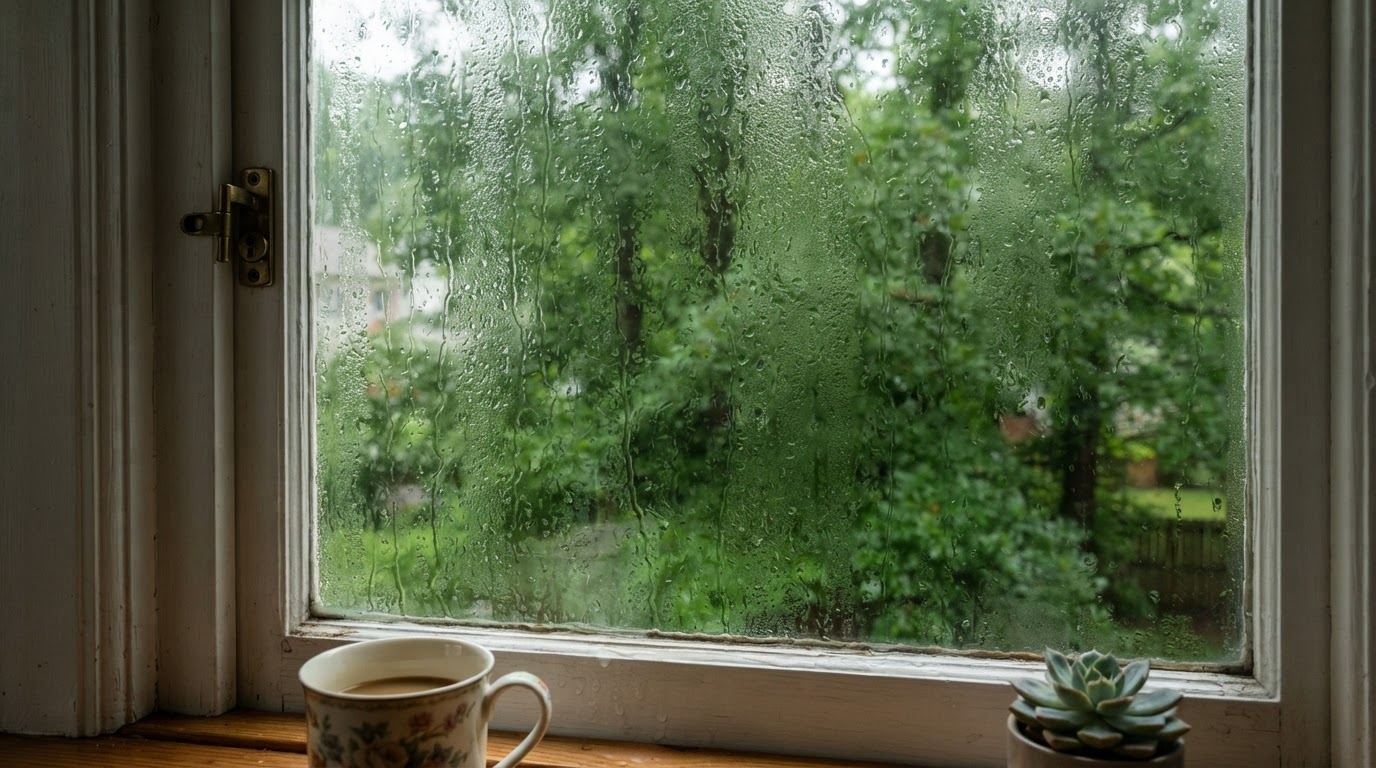
- High indoor humidity, especially during humid Mid-Atlantic summers
- Condensation on cool surfaces like windows, pipes, and ductwork
What you can do
- Stop the source and dry wet materials within 24–48 hours
- Remove saturated porous materials that can't be fully dried
- Document the extent with photos and moisture readings
- Verify the area is truly dry before closing up walls or flooring
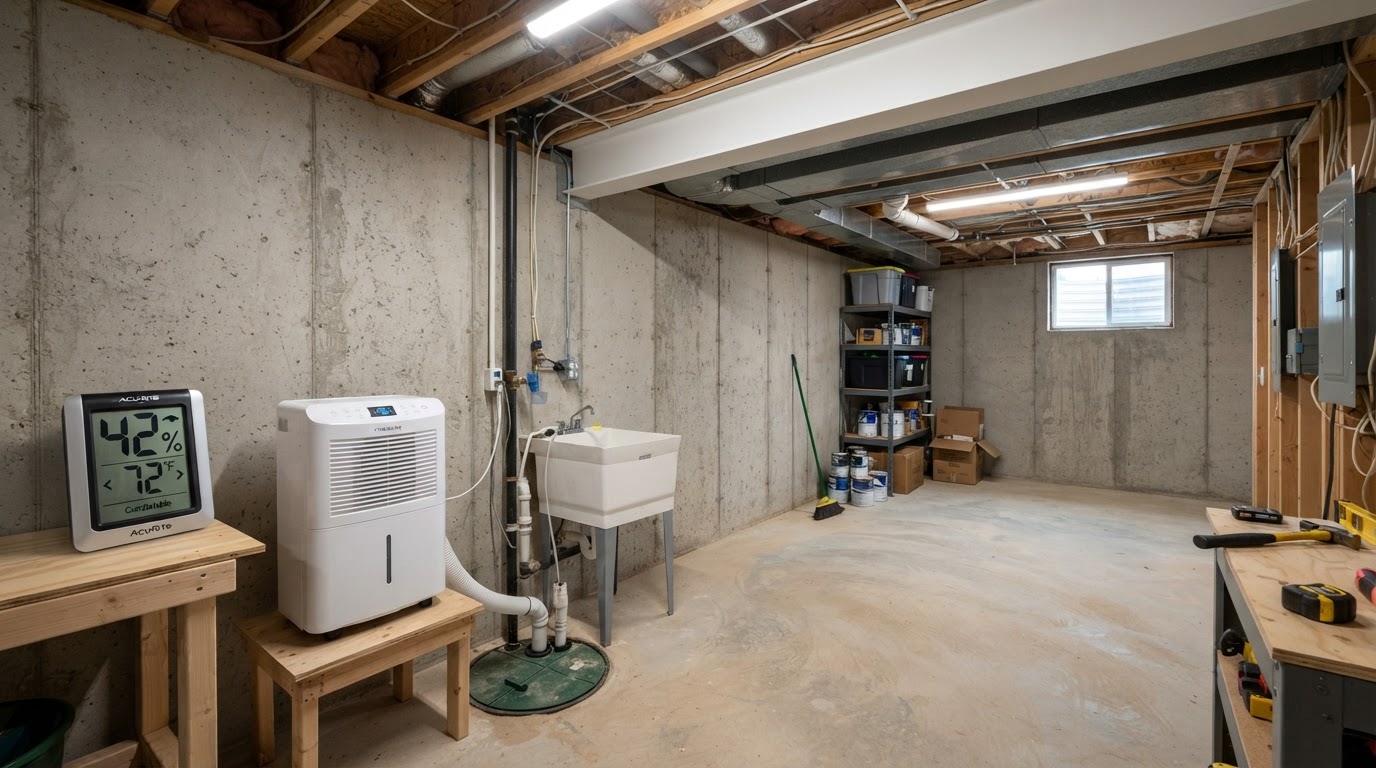
- Keep indoor humidity between roughly 30–50% in cool months and below 60% in summer
- Use exhaust fans and dehumidifiers in damp spaces
When to call a professional
If you're dealing with this issue in Annapolis, Maryland, it's worth getting a professional opinion when the problem is hidden, widespread, recurring, or tied to a water event you can't fully trace. Our featured local provider, MD Mold Testing, performs independent mold testing, mold inspections, and environmental assessments — including radon, asbestos, and lead testing — throughout Maryland, Washington, D.C., Northern Virginia, and Delaware. Because they focus on testing and inspection, they can give you an unbiased read on what's actually happening in your home. Call (301) 717-1454 or visit https://www.mdmoldtesting.com/ to schedule an assessment.