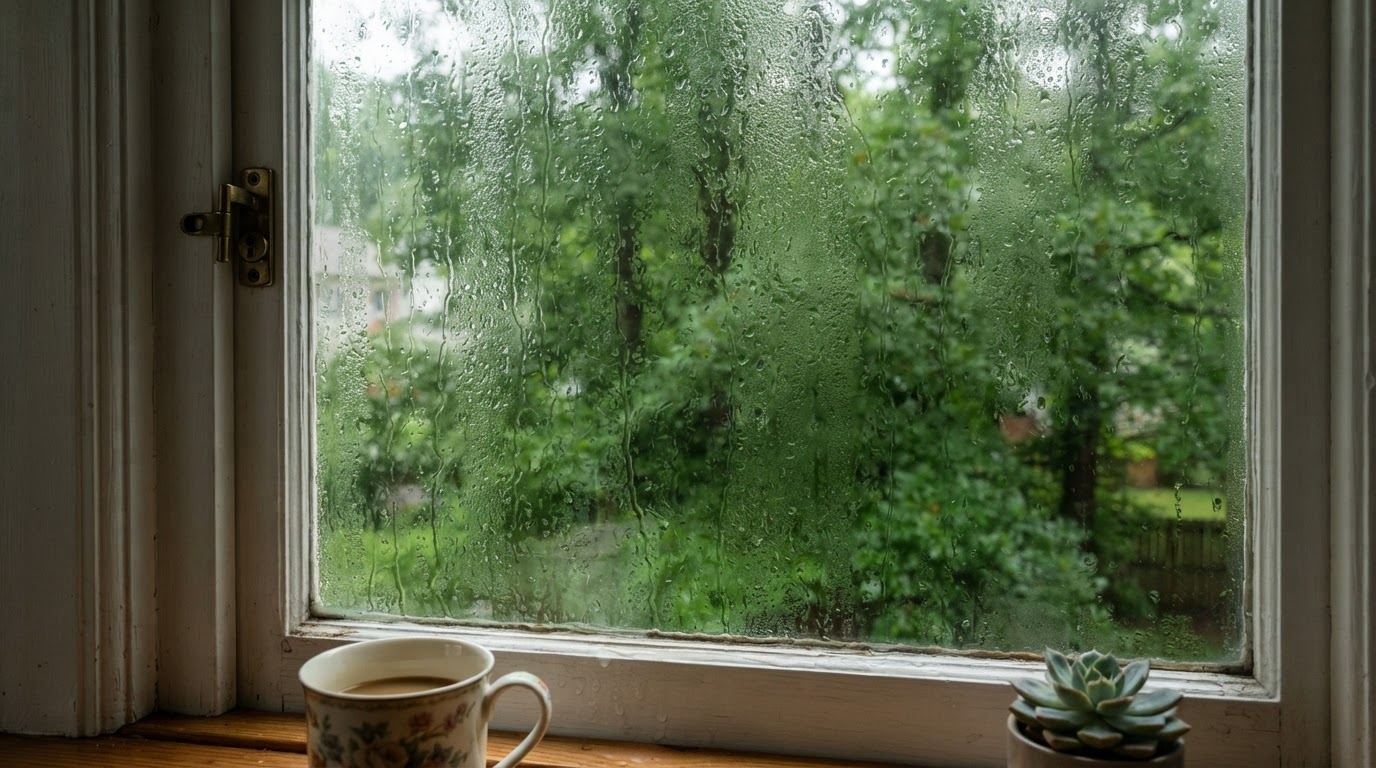
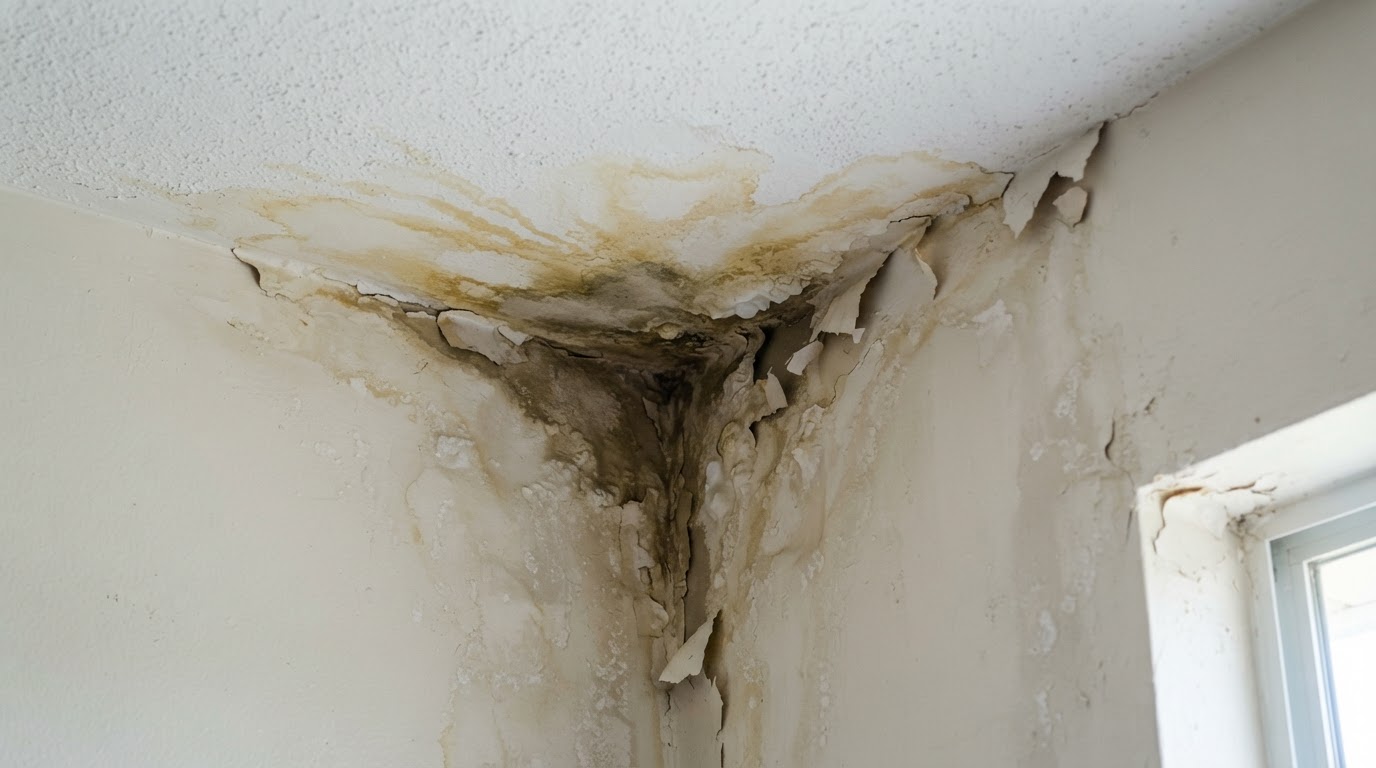
Yes, attics are a common site for mold growth. Roof leaks, inadequate ventilation, and bathroom or dryer vents routed into the attic instead of outside all introduce moisture. In Maryland, winter condensation can form when warm, moist air from the living space rises into a cold attic and condenses on the roof sheathing. Over time, this moisture supports mold growth on the wood. Because attics are rarely visited, the growth can become significant before it is noticed.
Why this matters
Mold is a symptom of a moisture problem. Understanding why and where it grows is the first step toward a healthier home, because the same conditions that allow mold to thrive can also quietly damage building materials and affect indoor air quality. For homeowners in Maryland, Washington, D.C., Northern Virginia & Delaware, these factors are shaped by the region's humid climate and the age of much of its housing stock.
What this means in Maryland, Washington, D.C., Northern Virginia & Delaware
Across Maryland, Washington, D.C., Northern Virginia, and Delaware, the humid Mid-Atlantic climate makes indoor moisture control the single biggest factor in preventing mold.
Common causes & warning signs
- Roof leaks from damaged flashing, missing shingles, or ice dams
- Bathroom or dryer vents routed into the attic instead of outside
- Winter condensation when warm, moist air rises into a cold attic
- Blocked soffit vents that prevent moisture from escaping
- Shower and bath steam without adequate exhaust ventilation
- Leaks from supply lines, toilets, tubs, and shower pans
What you can do
- Route all bathroom, kitchen, and dryer vents to the exterior
- Keep soffit vents clear of insulation and ensure balanced ventilation
- Air-seal the attic floor to limit warm, moist air rising from below
- Inspect the roof and flashing after any storm and repair leaks promptly
- Run the exhaust fan during and after showers for at least 20 minutes
- Confirm the fan vents outside, not into the attic or wall cavity
When to call a professional
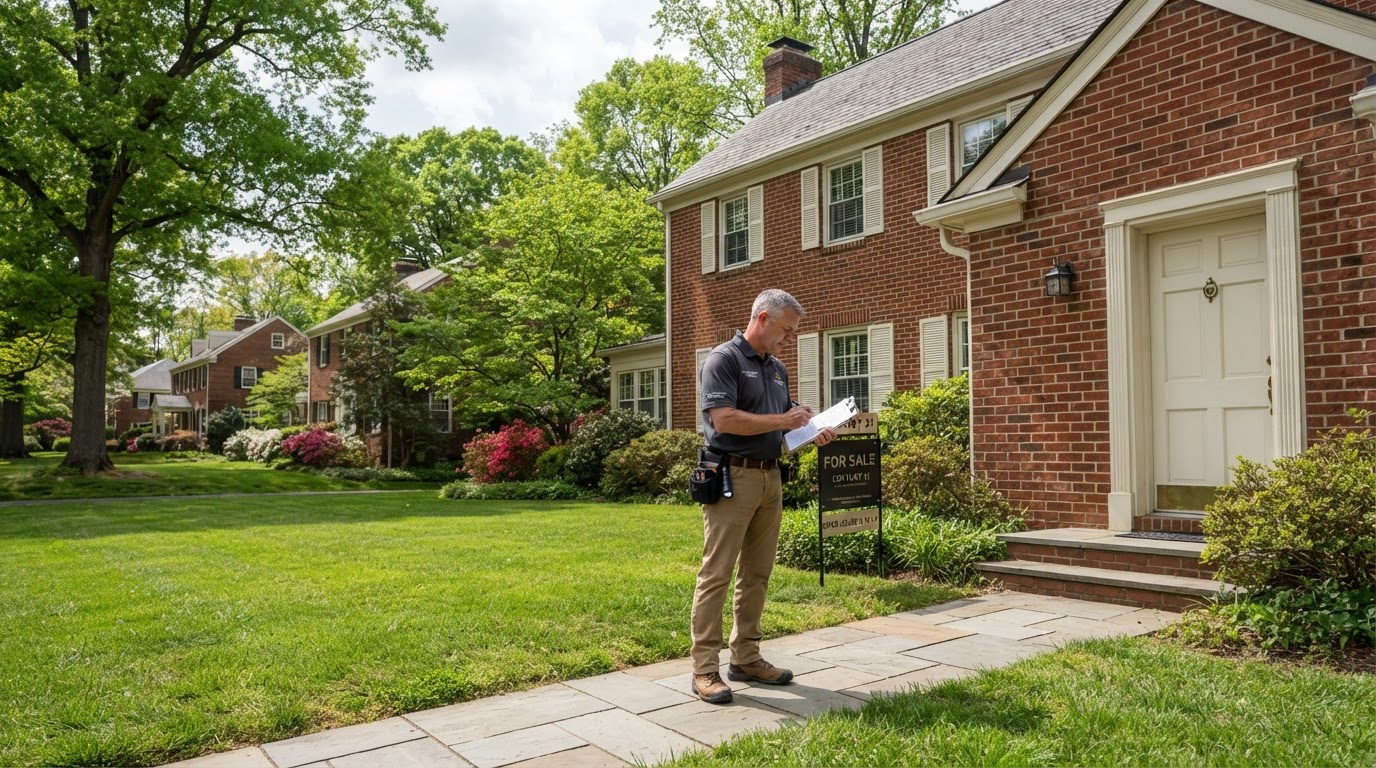
If you're dealing with this issue in Maryland, Washington, D.C., Northern Virginia & Delaware, it's worth getting a professional opinion when the problem is hidden, widespread, recurring, or tied to a water event you can't fully trace. Our featured local provider, MD Mold Testing, performs independent mold testing, mold inspections, and environmental assessments — including radon, asbestos, and lead testing — throughout Maryland, Washington, D.C., Northern Virginia, and Delaware. Because they focus on testing and inspection, they can give you an unbiased read on what's actually happening in your home. Call (301) 717-1454 or visit https://www.mdmoldtesting.com/ to schedule an assessment.