Carpet in a basement can be a mold risk because it holds moisture and is difficult to dry completely if it gets wet. Damp carpet, combined with basement humidity, creates an ideal environment for mold in the carpet and padding, and in the subfloor beneath. If you have basement carpet, keep humidity low, address any water entry promptly, and consider replacing carpet with moisture-resistant flooring if the basement is prone to dampness. Carpet that has been wet for more than 48 hours usually needs to be removed.
Why this matters
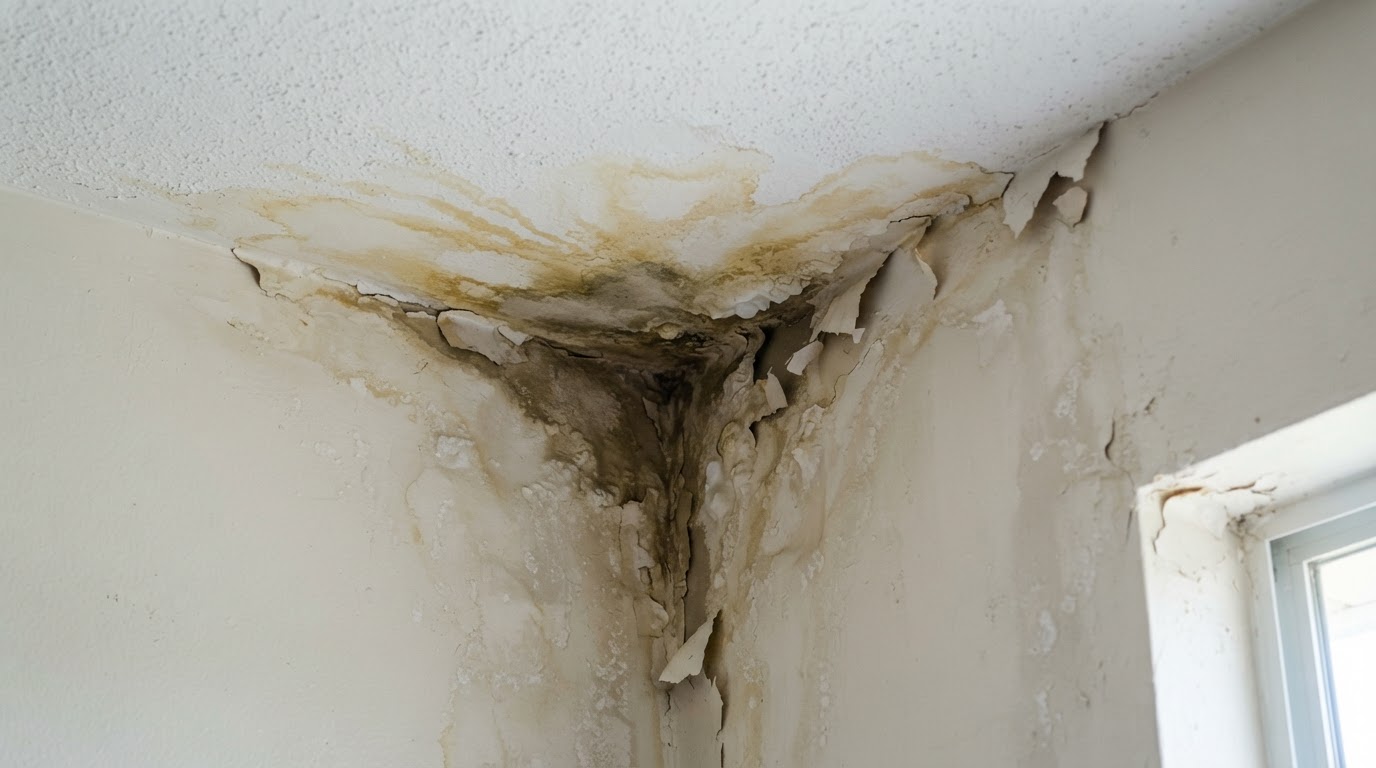
Mold is a symptom of a moisture problem. Understanding why and where it grows is the first step toward a healthier home, because the same conditions that allow mold to thrive can also quietly damage building materials and affect indoor air quality. For homeowners in Maryland, Washington, D.C., Northern Virginia & Delaware, these factors are shaped by the region's humid climate and the age of much of its housing stock.
What this means in Maryland, Washington, D.C., Northern Virginia & Delaware
Across Maryland, Washington, D.C., Northern Virginia, and Delaware, the humid Mid-Atlantic climate makes indoor moisture control the single biggest factor in preventing mold.
Common causes & warning signs
- Groundwater seeping through foundation walls and floors after heavy rain
- Condensation forming on cool concrete when warm, humid air enters the space
- Plumbing leaks from supply lines, drains, or water heaters located in the basement
- Inadequate ventilation and missing or undersized dehumidification
- Burst or leaking supply lines, water heaters, and washing-machine hoses
- Roof leaks, ice dams, and failed flashing that wet framing and insulation
What you can do
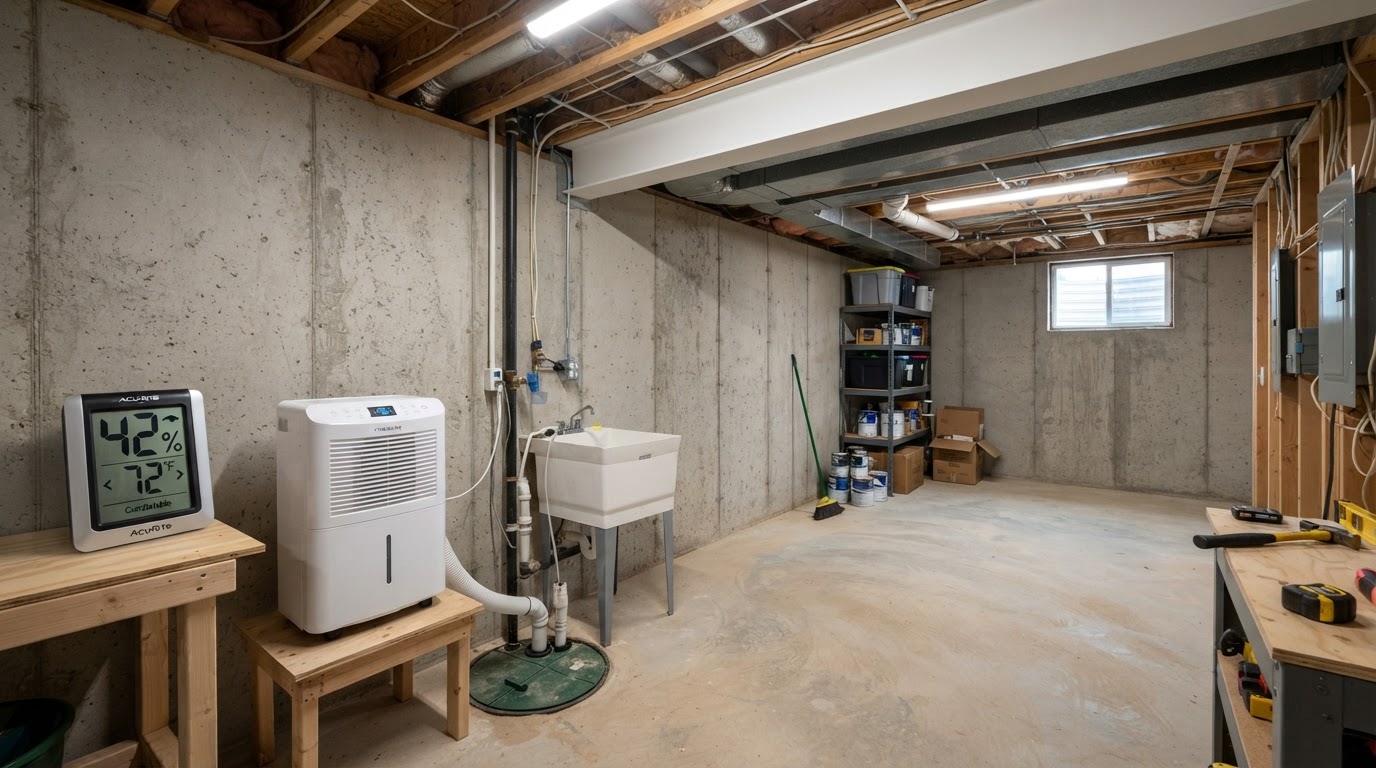
- Run a properly sized dehumidifier and drain it reliably
- Inspect for foundation cracks and seal them as needed
- Keep gutters and downspouts clear and direct water away from the foundation
- Check plumbing, water heaters, and washing-machine hoses regularly
- Stop the source and dry wet materials within 24–48 hours
- Remove saturated porous materials that can't be fully dried
When to call a professional
If you're dealing with this issue in Maryland, Washington, D.C., Northern Virginia & Delaware, it's worth getting a professional opinion when the problem is hidden, widespread, recurring, or tied to a water event you can't fully trace. Our featured local provider, MD Mold Testing, performs independent mold testing, mold inspections, and environmental assessments — including radon, asbestos, and lead testing — throughout Maryland, Washington, D.C., Northern Virginia, and Delaware. Because they focus on testing and inspection, they can give you an unbiased read on what's actually happening in your home. Call (301) 717-1454 or visit https://www.mdmoldtesting.com/ to schedule an assessment.