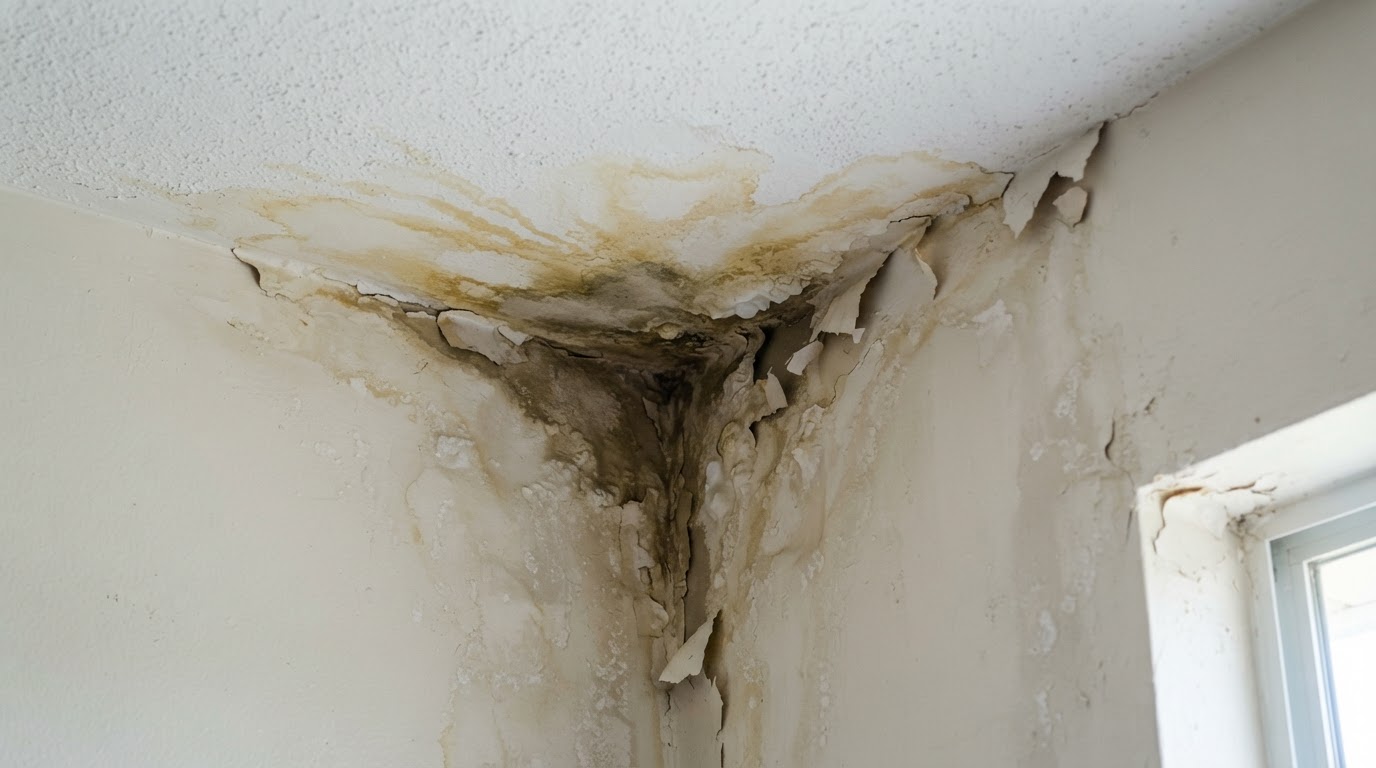
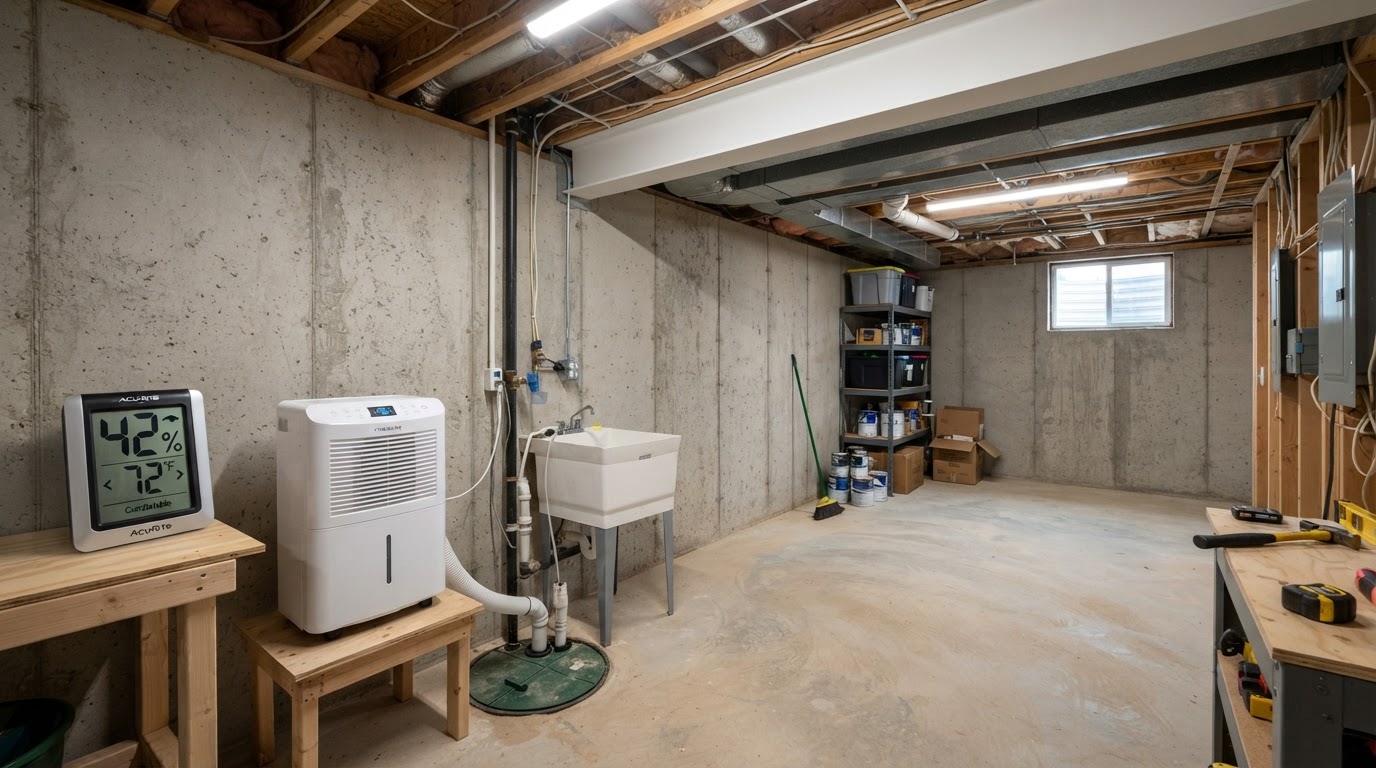
Yes. Slow leaks at the supply lines, drain, or faucet under a bathroom vanity wet the cabinet floor and the wall behind it, creating a dark, damp environment ideal for mold. Because the cabinet hides the leak, it can persist for months. Periodically check under the sink for dampness, water stains, or a musty smell, and fix any leak immediately. Keep the cabinet dry and leave the doors open occasionally to allow airflow. A small drip caught early prevents significant hidden mold.
Why this matters
Mold is a symptom of a moisture problem. Understanding why and where it grows is the first step toward a healthier home, because the same conditions that allow mold to thrive can also quietly damage building materials and affect indoor air quality. For homeowners in Maryland, Washington, D.C., Northern Virginia & Delaware, these factors are shaped by the region's humid climate and the age of much of its housing stock.
What this means in Maryland, Washington, D.C., Northern Virginia & Delaware
Across Maryland, Washington, D.C., Northern Virginia, and Delaware, the humid Mid-Atlantic climate makes indoor moisture control the single biggest factor in preventing mold.
Common causes & warning signs
- Shower and bath steam without adequate exhaust ventilation
- Leaks from supply lines, toilets, tubs, and shower pans
- Poor airflow, especially in interior bathrooms without windows
- Water splashing and pooling around tubs, sinks, and floors
- Burst or leaking supply lines, water heaters, and washing-machine hoses
- Roof leaks, ice dams, and failed flashing that wet framing and insulation
What you can do
- Run the exhaust fan during and after showers for at least 20 minutes
- Confirm the fan vents outside, not into the attic or wall cavity
- Wipe down wet surfaces and leave the door open when possible
- Check tub, shower pan, and toilet seals for slow leaks
- Stop the source and dry wet materials within 24–48 hours
- Remove saturated porous materials that can't be fully dried
When to call a professional
If you're dealing with this issue in Maryland, Washington, D.C., Northern Virginia & Delaware, it's worth getting a professional opinion when the problem is hidden, widespread, recurring, or tied to a water event you can't fully trace. Our featured local provider, MD Mold Testing, performs independent mold testing, mold inspections, and environmental assessments — including radon, asbestos, and lead testing — throughout Maryland, Washington, D.C., Northern Virginia, and Delaware. Because they focus on testing and inspection, they can give you an unbiased read on what's actually happening in your home. Call (301) 717-1454 or visit https://www.mdmoldtesting.com/ to schedule an assessment.