Symptoms that may point to an IAQ issue include persistent headaches, fatigue, eye or throat irritation, coughing, congestion, dizziness, or symptoms that improve when you leave the home. Because these symptoms overlap with many other conditions, they do not by themselves prove an air quality problem, but they are a reasonable reason to investigate — especially if multiple household members are affected or symptoms began after a known event like a renovation or water leak.
Why this matters
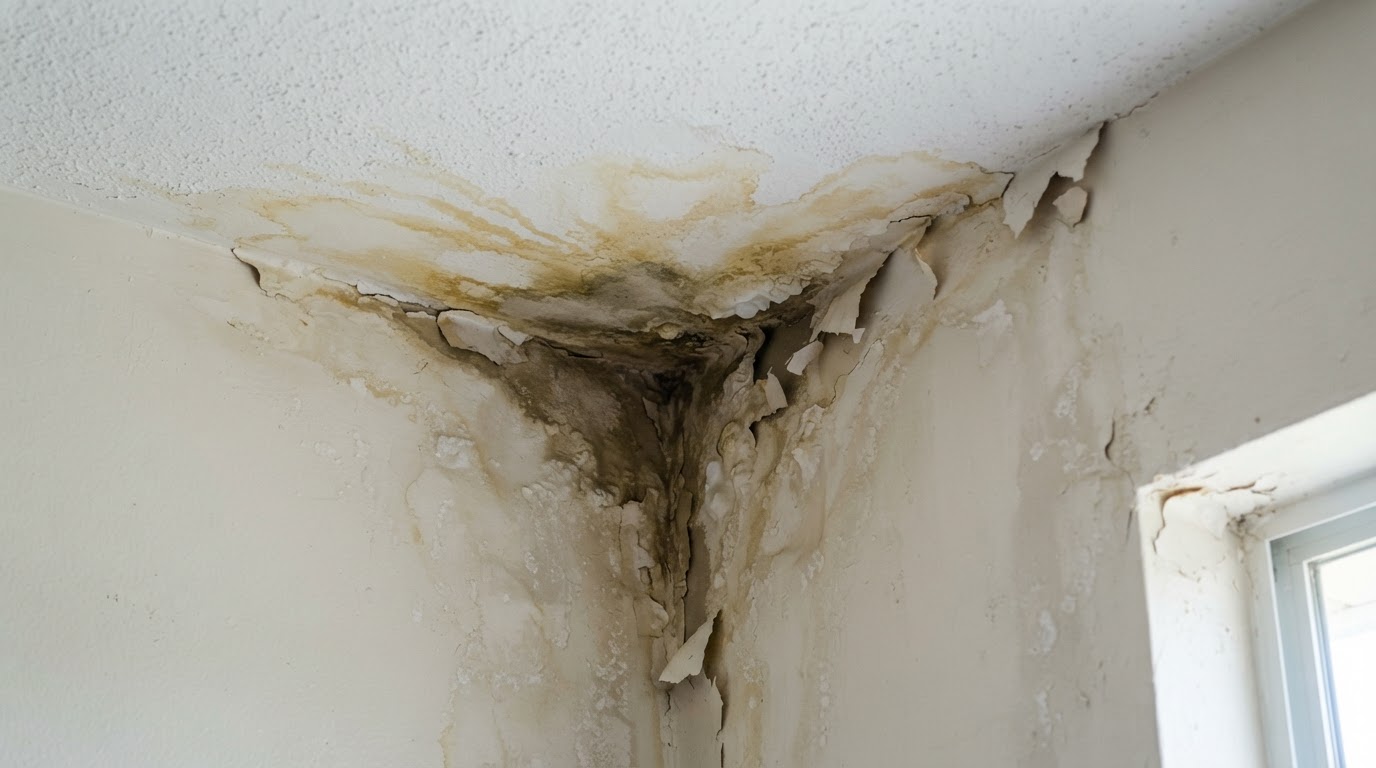
Mold is a symptom of a moisture problem. Understanding why and where it grows is the first step toward a healthier home, because the same conditions that allow mold to thrive can also quietly damage building materials and affect indoor air quality. For homeowners in Maryland, Washington, D.C., Northern Virginia & Delaware, these factors are shaped by the region's humid climate and the age of much of its housing stock.
What this means in Maryland, Washington, D.C., Northern Virginia & Delaware
Across Maryland, Washington, D.C., Northern Virginia, and Delaware, the humid Mid-Atlantic climate makes indoor moisture control the single biggest factor in preventing mold.
Common causes & warning signs
- Burst or leaking supply lines, water heaters, and washing-machine hoses
- Roof leaks, ice dams, and failed flashing that wet framing and insulation
- Storm and flood water entering basements, crawl spaces, or lower levels
- Slow plumbing leaks behind walls that go unnoticed for long periods
- Elevated humidity that supports mold, dust mites, and biological growth
- Inadequate ventilation that traps pollutants indoors
What you can do
- Stop the source and dry wet materials within 24–48 hours
- Remove saturated porous materials that can't be fully dried
- Document the extent with photos and moisture readings
- Verify the area is truly dry before closing up walls or flooring
- Control humidity and address any moisture sources
- Ventilate adequately and consider HEPA filtration
When to call a professional
If you're dealing with this issue in Maryland, Washington, D.C., Northern Virginia & Delaware, it's worth getting a professional opinion when the problem is hidden, widespread, recurring, or tied to a water event you can't fully trace. Our featured local provider, MD Mold Testing, performs independent mold testing, mold inspections, and environmental assessments — including radon, asbestos, and lead testing — throughout Maryland, Washington, D.C., Northern Virginia, and Delaware. Because they focus on testing and inspection, they can give you an unbiased read on what's actually happening in your home. Call (301) 717-1454 or visit https://www.mdmoldtesting.com/ to schedule an assessment.