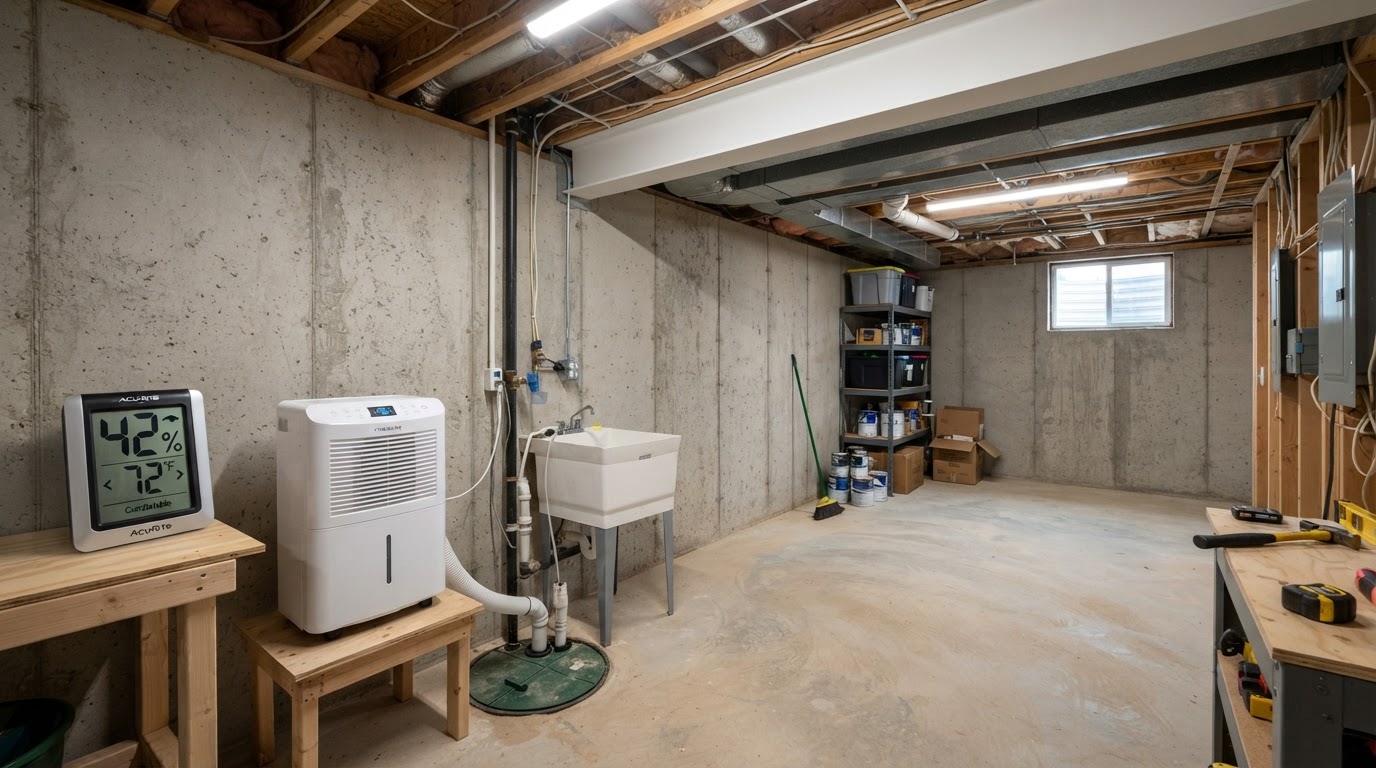
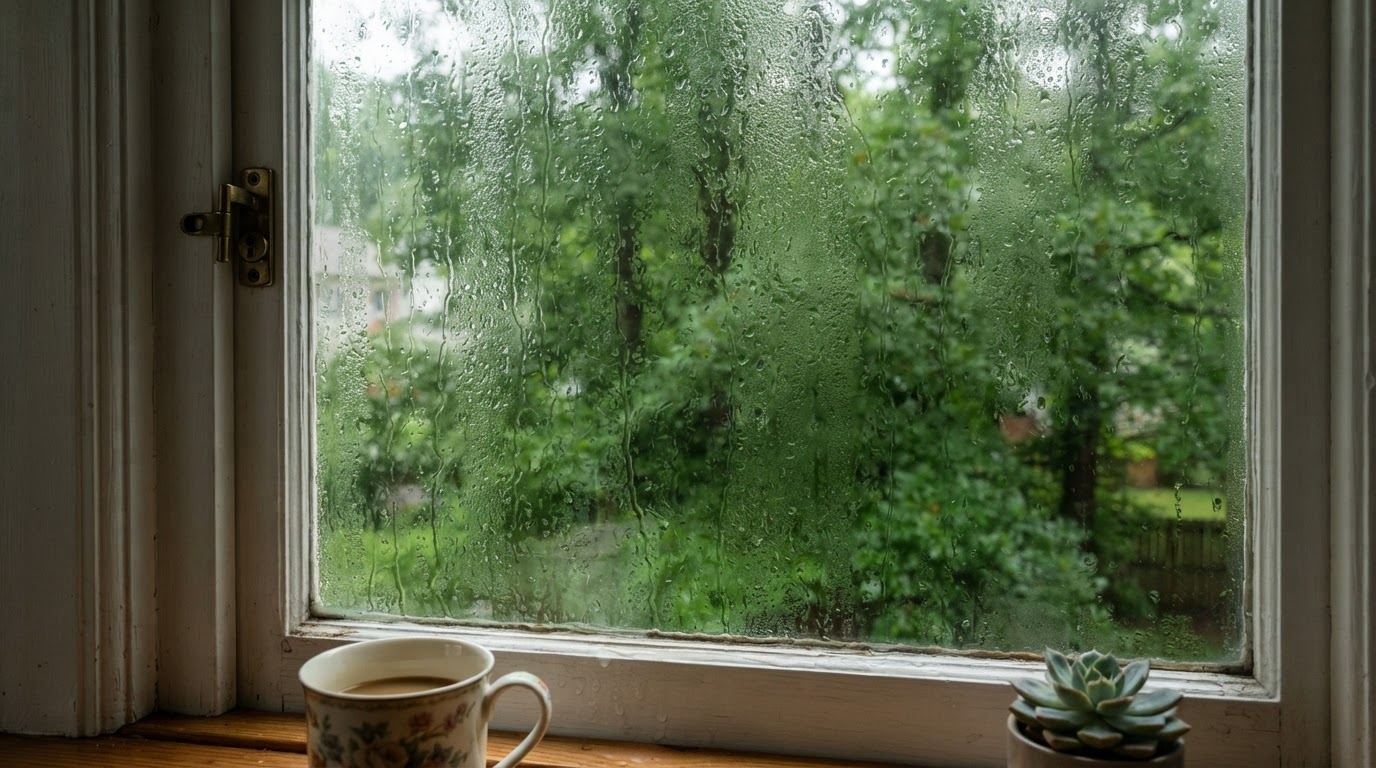
Yes. In spring, check gutters, downspouts, and foundation grading; inspect the roof for winter damage. In summer, run dehumidifiers, monitor humidity, and check basements after heavy storms. In fall, clean gutters before leaf drop, inspect for storm damage, and seal gaps before winter. In winter, watch for ice dams, condensation on windows, and plumbing leaks in cold areas. Year-round, fix leaks immediately and keep humidity in a healthy range. Our free homeowner guide includes a full seasonal checklist.
Why this matters
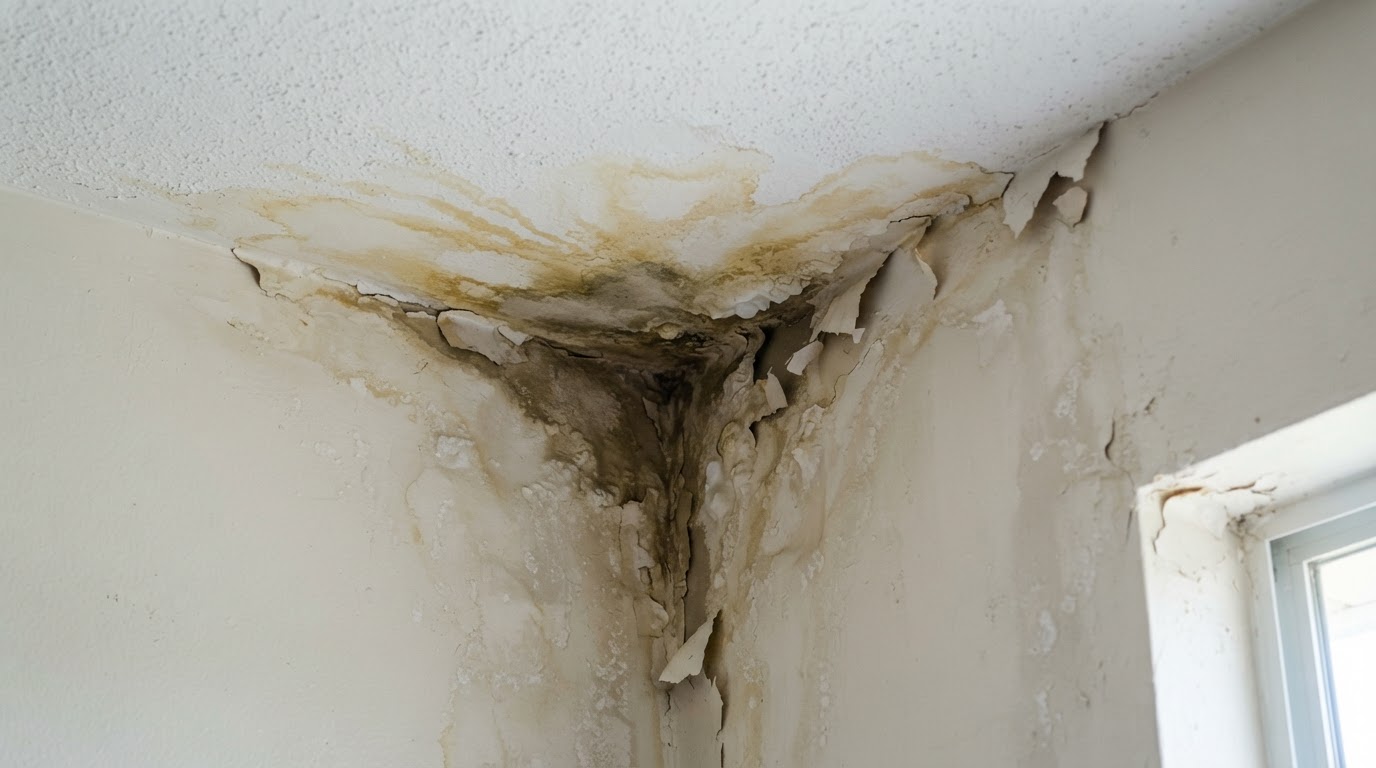
Mold is a symptom of a moisture problem. Understanding why and where it grows is the first step toward a healthier home, because the same conditions that allow mold to thrive can also quietly damage building materials and affect indoor air quality. For homeowners in Maryland, Washington, D.C., Northern Virginia & Delaware, these factors are shaped by the region's humid climate and the age of much of its housing stock.
What this means in Maryland, Washington, D.C., Northern Virginia & Delaware
Across Maryland, Washington, D.C., Northern Virginia, and Delaware, the humid Mid-Atlantic climate makes indoor moisture control the single biggest factor in preventing mold.
Common causes & warning signs
- Humid summers that drive condensation and elevated indoor moisture
- Winter condensation in cold attics and around windows
- Spring storms and snowmelt that stress foundations and basements
- Fall leaf debris clogging gutters and directing water toward the foundation
- Residual moisture if the original water source wasn't fully fixed
- Incomplete containment that spreads spores during cleanup
What you can do
- In summer, dehumidify basements and crawl spaces aggressively
- In winter, manage attic condensation and window condensation
- In spring, clear gutters and check for foundation seepage
- In fall, remove leaf debris and service heating equipment
- Fix the moisture source before any cleanup begins
- Use proper containment and HEPA filtration
When to call a professional
If you're dealing with this issue in Maryland, Washington, D.C., Northern Virginia & Delaware, it's worth getting a professional opinion when the problem is hidden, widespread, recurring, or tied to a water event you can't fully trace. Our featured local provider, MD Mold Testing, performs independent mold testing, mold inspections, and environmental assessments — including radon, asbestos, and lead testing — throughout Maryland, Washington, D.C., Northern Virginia, and Delaware. Because they focus on testing and inspection, they can give you an unbiased read on what's actually happening in your home. Call (301) 717-1454 or visit https://www.mdmoldtesting.com/ to schedule an assessment.