Asbestos is a mineral fiber once widely used in building materials for its heat resistance and durability. When asbestos-containing materials are disturbed — during renovation, demolition, or deterioration — they can release fibers into the air. Inhaling these fibers is linked to serious lung diseases, including mesothelioma and asbestosis. Homes built before the 1980s may contain asbestos in floor tiles, insulation, siding, popcorn ceilings, and pipe insulation. The danger is from airborne fibers, not from intact, undisturbed materials.
Why this matters
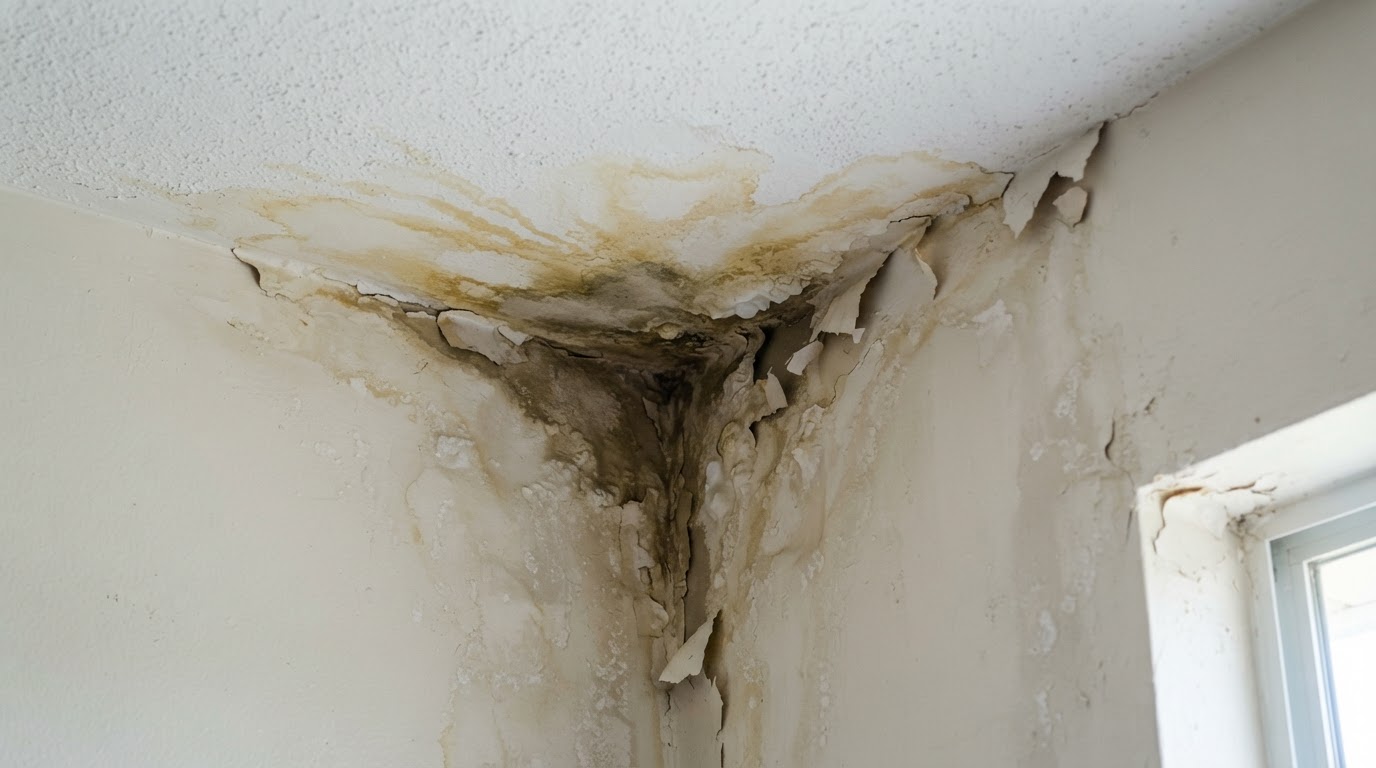
Mold is a symptom of a moisture problem. Understanding why and where it grows is the first step toward a healthier home, because the same conditions that allow mold to thrive can also quietly damage building materials and affect indoor air quality. For homeowners in Maryland, Washington, D.C., Northern Virginia & Delaware, these factors are shaped by the region's humid climate and the age of much of its housing stock.
What this means in Maryland, Washington, D.C., Northern Virginia & Delaware
Across Maryland, Washington, D.C., Northern Virginia, and Delaware, the humid Mid-Atlantic climate makes indoor moisture control the single biggest factor in preventing mold.
Common causes & warning signs
- Disturbing original floor tiles, adhesives, or popcorn ceilings during renovation
- Deteriorating pipe or boiler insulation in older basements
- Aging cement siding, roofing, or joint compound in pre-1980s homes
- Renovation or demolition that releases trapped fibers into the air
- Larger HVAC systems with more condensation and drainage points
- Roof and envelope leaks across bigger building footprints
What you can do
- Test suspect materials before any renovation or demolition
- Leave intact, undisturbed asbestos in place when possible
- Use a licensed abatement professional for removal
- Never sand, scrape, or break up suspect materials without testing
- Maintain HVAC drainage and ventilation balance
- Inspect the roof and envelope after storms
When to call a professional
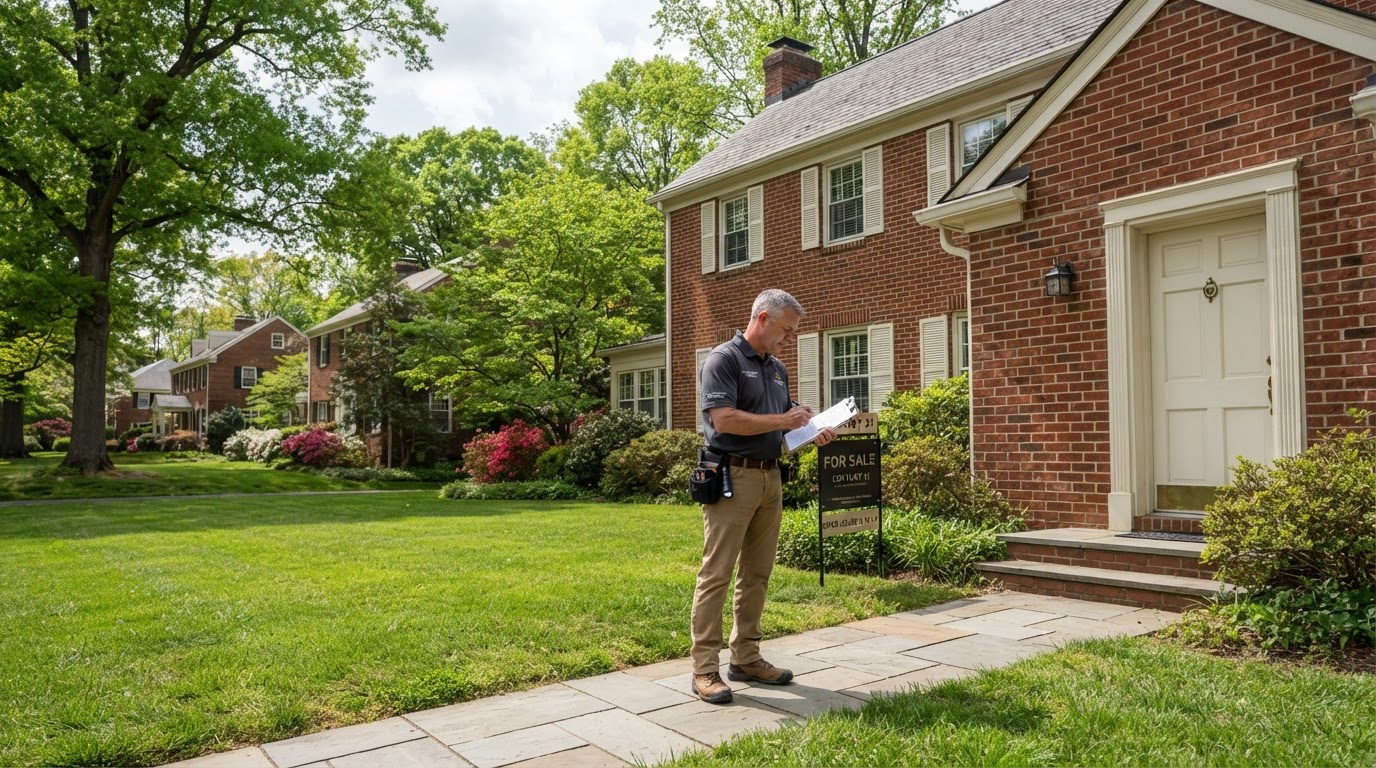
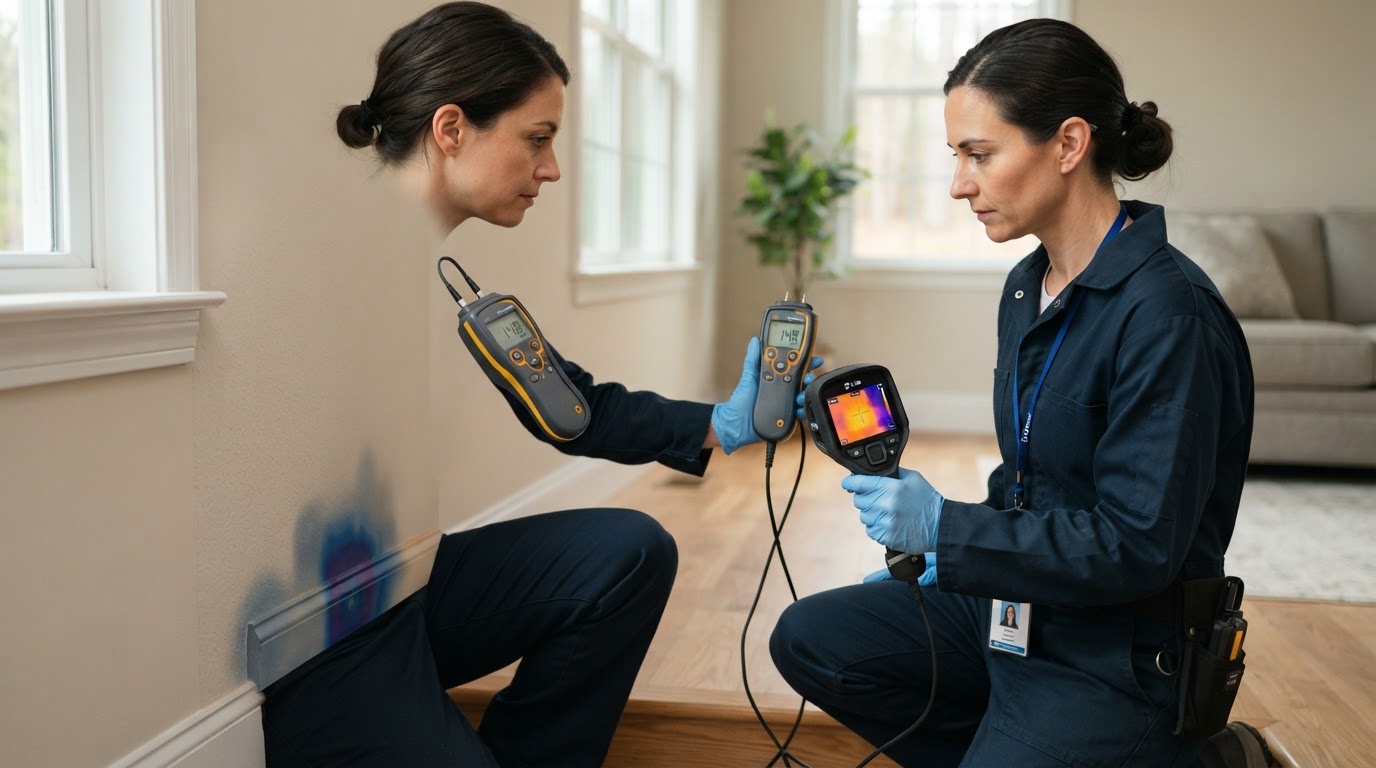
If you're dealing with this issue in Maryland, Washington, D.C., Northern Virginia & Delaware, it's worth getting a professional opinion when the problem is hidden, widespread, recurring, or tied to a water event you can't fully trace. Our featured local provider, MD Mold Testing, performs independent mold testing, mold inspections, and environmental assessments — including radon, asbestos, and lead testing — throughout Maryland, Washington, D.C., Northern Virginia, and Delaware. Because they focus on testing and inspection, they can give you an unbiased read on what's actually happening in your home. Call (301) 717-1454 or visit https://www.mdmoldtesting.com/ to schedule an assessment.