Mold Testing for Real Estate Transactions in Maryland & the D.C. Region
Objective, documented mold testing that supports buyers, sellers, and agents with lab-verified evidence during a Maryland or D.C. area real estate transaction.
What is mold testing for real estate transactions?
A real estate transaction turns mold from a home-maintenance issue into a negotiating point and a disclosure question. Buyers want to know what they are purchasing; sellers want to document a clean condition or address an issue before it derails a sale; agents want objective evidence that moves a deal forward. Mold testing for real estate transactions provides the lab-verified documentation each side needs.
Why is mold testing for real estate transactions important?
The Maryland and D.C. metro market is active and diverse, with transactions spanning every era and style of home — from historic Baltimore rowhouses and D.C. townhomes to mid-century Bethesda ramblers and new construction in Gaithersburg. Each carries different moisture risks, and the region's humid climate and older housing stock mean those risks are real. A documented assessment during the contingency period turns those risks into known facts rather than post-closing surprises.
Featured Local Provider
Schedule mold testing for real estate transactions with MD Mold Testing
Serving Rockville, Bethesda & Washington, D.C. and the greater Mid-Atlantic region.
Warning signs to watch for
- A musty smell noted during a showing
- Water stains or patched areas that may hide a repair
- A home that sat vacant or was lightly used
- Disclosure of a past leak or water damage
- An older home with aging plumbing, roofing, or a damp basement
When should you schedule this service?
- A buyer wants a moisture and mold assessment during contingency
- A seller wants to document a clean condition pre-listing
- An agent needs objective evidence to resolve a concern
- A past leak was disclosed and the buyer wants confirmation
What does professional testing involve?
Here's how MD Mold Testing typically approaches mold testing for real estate transactions across Rockville, Bethesda & Washington, D.C..
Transaction context
We understand whether you are buying, selling, or representing a client, and tailor the scope to the transaction timeline.
Moisture & mold assessment
A visual and moisture-meter inspection, with sampling where indicated, documents the home's condition.
Lab-verified evidence
Independent lab results provide objective evidence rather than opinion, suitable for disclosure and negotiation.
Transaction report
A written report documents findings clearly for buyers, sellers, agents, and, where relevant, inspectors and attorneys.
Transaction testing is documentation-focused and timed to the contingency period. The report is written to be understood by all parties and provides objective evidence that supports negotiation, disclosure, or a confident decision to proceed.
Testing is appropriate during a buyer's inspection contingency, pre-listing for a seller who wants to document condition, after a disclosed leak, and whenever objective evidence is needed to move a transaction forward. It is informational and documents conditions at a point in time.
What can testing results tell you?
Transaction testing is documentation-focused and timed to the contingency period. The report is written to be understood by all parties and provides objective evidence that supports negotiation, disclosure, or a confident decision to proceed.
Featured Local Provider
Schedule mold testing for real estate transactions with MD Mold Testing
Serving Rockville, Bethesda & Washington, D.C. and the greater Mid-Atlantic region.
Testing is appropriate during a buyer's inspection contingency, pre-listing for a seller who wants to document condition, after a disclosed leak, and whenever objective evidence is needed to move a transaction forward. It is informational and documents conditions at a point in time.
Testing is appropriate during a buyer's inspection contingency, pre-listing for a seller who wants to document condition, after a disclosed leak, and whenever objective evidence is needed to move a transaction forward. It is informational and documents conditions at a point in time.
Why mold testing for real estate transactions matters in the Mid-Atlantic
Older Baltimore and D.C. homes carry aging-plumbing and lead-paint risks alongside moisture.
Seasonal and vacant properties across the region may have had undetected leaks.
Newer sealed builds in the suburbs can trap humidity that a general inspection would not flag.
A local, independent testing specialist
Transaction testing is documentation-focused and timed to the contingency period. The report is written to be understood by all parties and provides objective evidence that supports negotiation, disclosure, or a confident decision to proceed.
Frequently asked questions about mold testing for real estate transactions
I am selling. Should I test before listing?+
Pre-listing testing lets you document a clean condition or address an issue on your own timeline rather than under contingency pressure. A clean report can also reassure buyers and smooth the transaction.
I am buying and the seller disclosed a past leak. Now what?+
Testing during your contingency period confirms whether the leak left any active growth or residual moisture. Objective evidence lets you negotiate a repair, request a credit, or proceed with confidence.
Will a clean report help the sale?+
Yes. A documented, lab-verified clean condition reassures buyers and can reduce last-minute negotiation. It is a small investment that can protect a sale.
Related questions from our knowledge base
What exactly is mold?
Mold is a type of fungus that grows from microscopic spores present in virtually all indoor and outdoor air. When spores land on a surface w
Read full answerHow does mold grow inside a home?
Mold needs three things to grow: moisture, a food source, and a suitable temperature. Indoors, moisture comes from leaks, condensation, high
Read full answerIs all mold dangerous?
Not all mold is dangerous to everyone, but no mold should be allowed to grow indoors. The CDC and EPA emphasize that the type of mold matter
Read full answerWhat types of mold are common in Maryland homes?
Common indoor molds include Aspergillus, Penicillium, Cladosporium, and Stachybotrys (often called 'black mold'). In Maryland's humid climat
Read full answerWhat is the difference between mold and mildew?
Mildew is actually a type of mold that typically grows flat on surfaces, often in bathrooms or on damp fabrics, and is usually white, gray,
Read full answerWill mold go away on its own?
Mold will not go away on its own as long as the moisture source remains. If you dry out a damp area, visible mold may stop actively growing,
Read full answerFeatured Local Provider
Schedule mold testing for real estate transactions with MD Mold Testing
Serving Rockville, Bethesda & Washington, D.C. and the greater Mid-Atlantic region.
Related educational articles
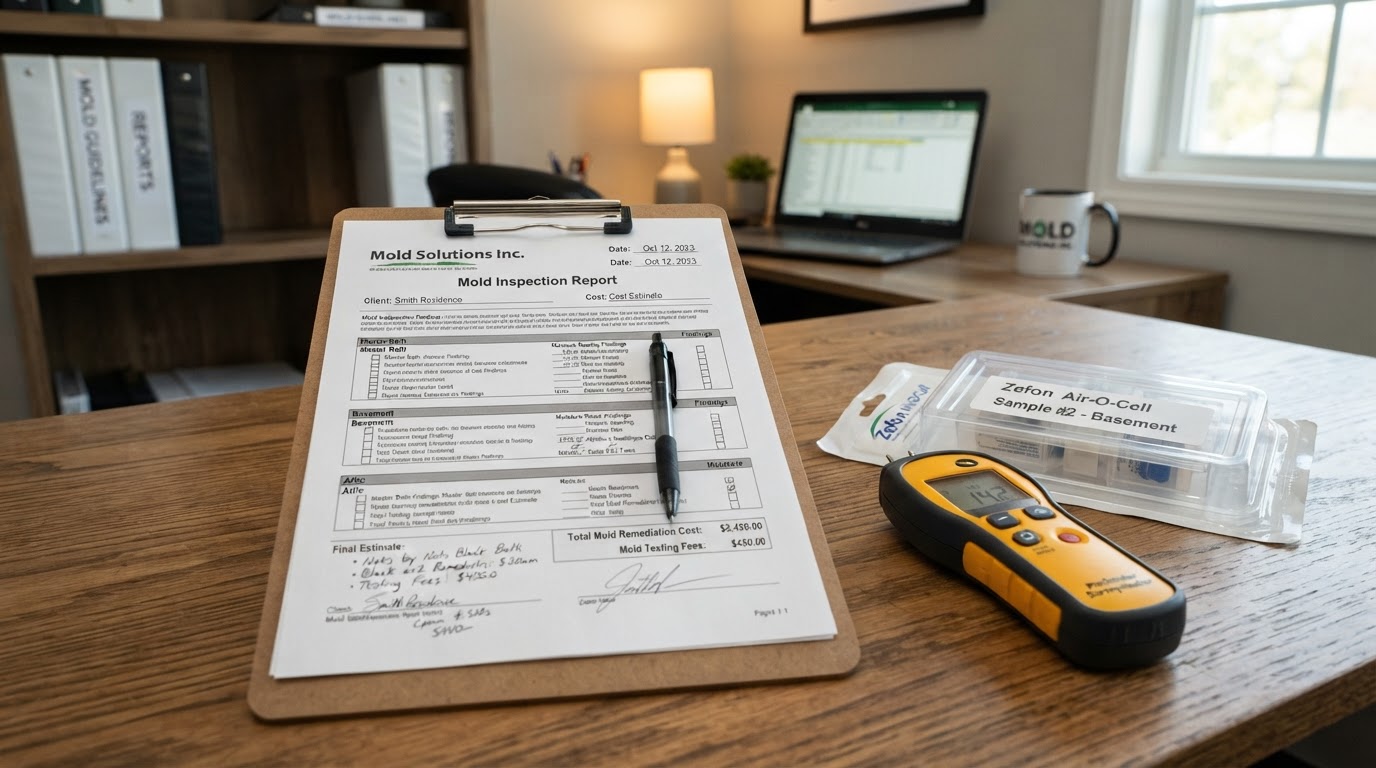
Cost & Timing
How Much Does Mold Testing Cost in Maryland?
Mold testing prices vary based on the scope of the inspection and the size of your home. Here is what influences the cost across Maryland and the DC region.
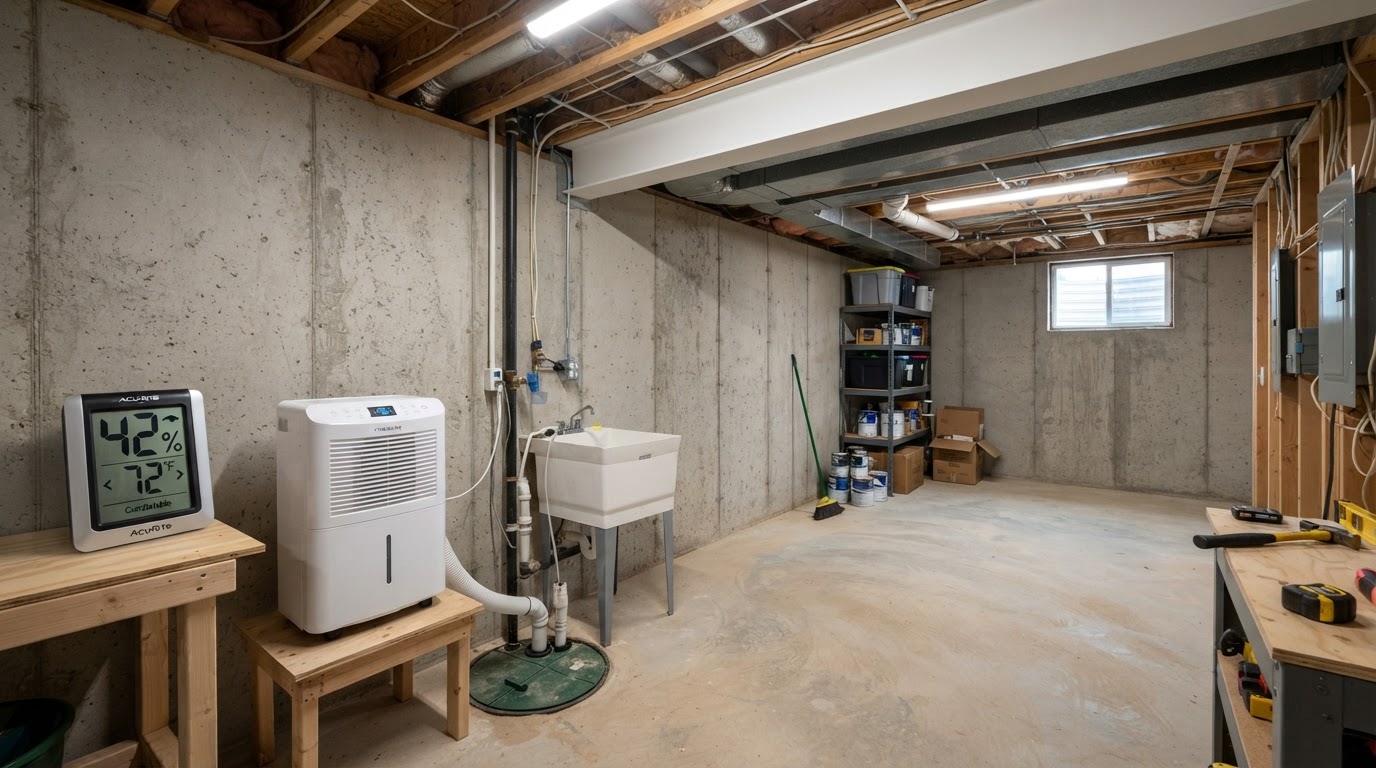
Moisture & Humidity
How to Prevent Mold in Maryland Basements
Basements are the most mold-prone room in a Mid-Atlantic home. Here is how to keep yours dry, ventilated, and mold-free year-round.
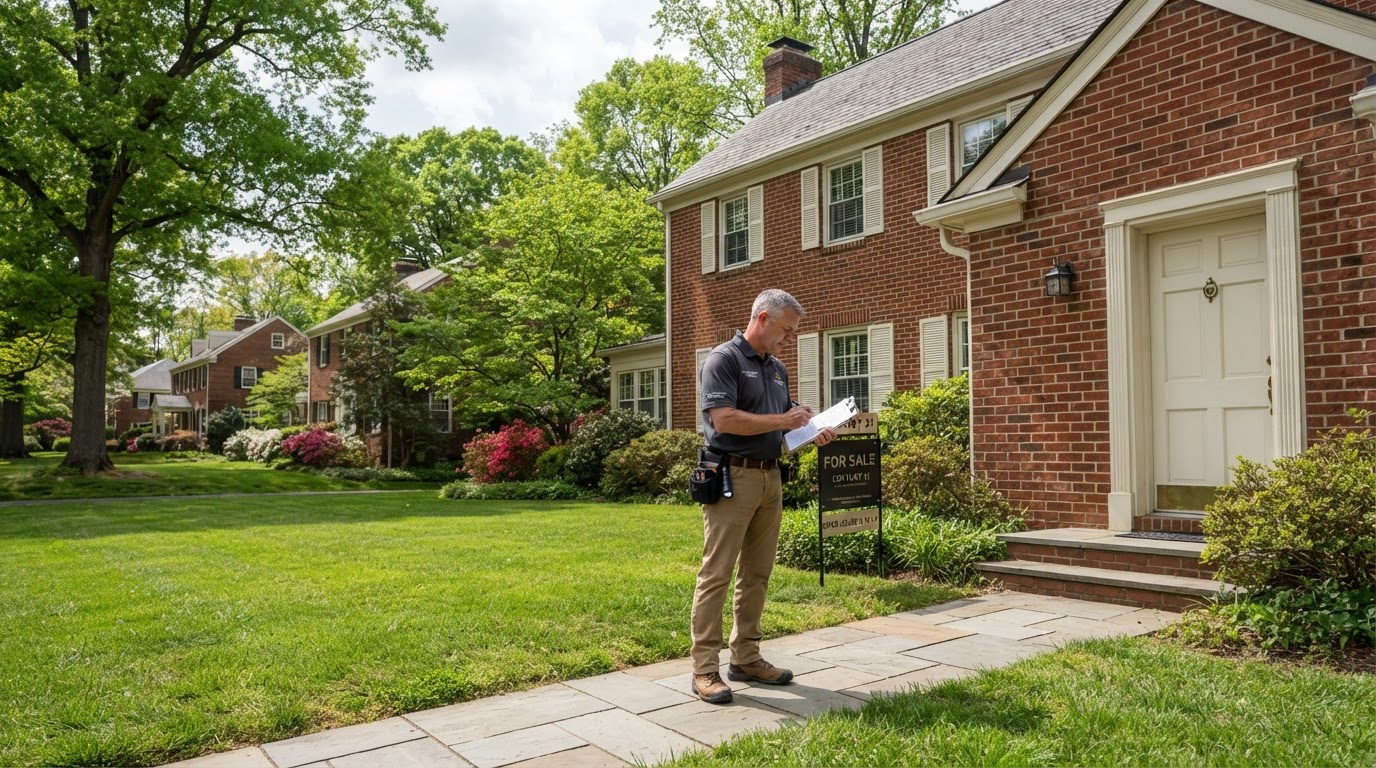
Testing & Inspection
Buying a Home in Maryland? Why Mold Testing Matters
Before you close on a Maryland home, a mold inspection can reveal hidden moisture issues that a standard home inspection might miss.


Service areas we cover
MD Mold Testing serves Rockville, Bethesda & Washington, D.C. and communities across Maryland, Washington D.C., Northern Virginia, and Delaware.
Not ready to schedule? Get our free guide.
Download The Ultimate Guide to a Mold-Free, Healthy Maryland Home and subscribe to the Maryland Healthy Home Newsletter for weekly homeowner tips.
MD Mold Testing
For professional mold testing for real estate transactions in Rockville, Bethesda & Washington, D.C. and across Maryland, Washington D.C., Northern Virginia, and Delaware, our featured local provider is MD Mold Testing. Best Mold Testing Maryland is an independent educational resource — we do not perform inspections ourselves.