Post-Remediation Mold Verification in Maryland & the D.C. Region
Clearance testing after mold remediation to confirm the work succeeded and indoor levels returned to normal — before you reoccupy or rebuild.
What is post-remediation mold verification?
Mold remediation is only finished when it is verified. Post-remediation verification — sometimes called clearance testing — confirms that the removal work succeeded, that the moisture source was addressed, and that indoor mold levels have returned to normal before you reoccupy the space or rebuild over it. It is the proof that the problem is genuinely gone, not just cleaned from view.
Why is post-remediation mold verification important?
In a humid Mid-Atlantic home, the conditions that allowed mold to grow can persist if the moisture source was not fully fixed. Maryland basements, crawl spaces, and bathrooms all carry baseline humidity that means a return to growth is possible if conditions are not corrected. Clearance testing confirms both that the growth was removed and that the environment will not simply grow it back. Skipping verification means rebuilding over a problem you cannot see.
Featured Local Provider
Schedule post-remediation mold verification with MD Mold Testing
Serving Rockville, Bethesda & Silver Spring, MD and the greater Mid-Atlantic region.
Warning signs to watch for
- Remediation was completed but never verified
- A musty smell returns after remediation
- You are about to rebuild over a remediated area
- An insurer or property transaction requires clearance documentation
When should you schedule this service?
- Remediation was just completed and you need clearance to reoccupy
- You are about to rebuild drywall over a remediated cavity
- A buyer or insurer requires proof the work succeeded
- A musty smell returned after remediation
What does professional testing involve?
Here's how MD Mold Testing typically approaches post-remediation mold verification across Rockville, Bethesda & Silver Spring, MD.
Remediation review
We review what was remediated, the containment used, and whether the moisture source was addressed, to confirm the work is complete.
Visual clearance check
A visual inspection confirms the affected area is clean and no visible growth or water damage remains.
Clearance air sampling
Air samples in the remediated area are compared to an outdoor baseline to confirm levels have returned to normal.
Clearance report
A written clearance report documents that the remediation succeeded, supporting reoccupancy, rebuilding, or a transaction.
Post-remediation verification is a focused, evidence-based check. The visual inspection confirms the area is clean; the air sampling proves airborne levels are back to normal. A clearance report is the documentation that the work is done.
Verification is appropriate after any professional mold remediation before reoccupancy or rebuilding, when a transaction or insurer requires clearance documentation, and if a musty smell returns after remediation. It is the final step that closes the loop on a mold problem.
What can testing results tell you?
Post-remediation verification is a focused, evidence-based check. The visual inspection confirms the area is clean; the air sampling proves airborne levels are back to normal. A clearance report is the documentation that the work is done.
Featured Local Provider
Schedule post-remediation mold verification with MD Mold Testing
Serving Rockville, Bethesda & Silver Spring, MD and the greater Mid-Atlantic region.
Verification is appropriate after any professional mold remediation before reoccupancy or rebuilding, when a transaction or insurer requires clearance documentation, and if a musty smell returns after remediation. It is the final step that closes the loop on a mold problem.
Verification is appropriate after any professional mold remediation before reoccupancy or rebuilding, when a transaction or insurer requires clearance documentation, and if a musty smell returns after remediation. It is the final step that closes the loop on a mold problem.
Why post-remediation mold verification matters in the Mid-Atlantic
If the humidity source was not fixed, growth can return even after thorough removal in a humid Mid-Atlantic home.
Central HVAC recirculates air, so clearance sampling confirms the whole system is clean.
Rebuilding drywall over an unverified cavity hides any remaining problem permanently.
A local, independent testing specialist
Post-remediation verification is a focused, evidence-based check. The visual inspection confirms the area is clean; the air sampling proves airborne levels are back to normal. A clearance report is the documentation that the work is done.
Frequently asked questions about post-remediation mold verification
Is verification really necessary after remediation?+
It is the only objective way to confirm the work succeeded. Without clearance sampling, you are relying on appearance alone. Verification proves airborne levels returned to normal before you rebuild or reoccupy.
What if the musty smell came back after remediation?+
A returning smell suggests the moisture source was not fully addressed or the removal was incomplete. Post-remediation testing can identify whether growth has returned and where.
Can I rebuild over the remediated area right away?+
It is safer to wait for clearance. Rebuilding drywall over an area that was not fully cleared hides any remaining problem permanently. Verification confirms the cavity is clean before you close it up.
Related questions from our knowledge base
What exactly is mold?
Mold is a type of fungus that grows from microscopic spores present in virtually all indoor and outdoor air. When spores land on a surface w
Read full answerHow does mold grow inside a home?
Mold needs three things to grow: moisture, a food source, and a suitable temperature. Indoors, moisture comes from leaks, condensation, high
Read full answerIs all mold dangerous?
Not all mold is dangerous to everyone, but no mold should be allowed to grow indoors. The CDC and EPA emphasize that the type of mold matter
Read full answerWhat types of mold are common in Maryland homes?
Common indoor molds include Aspergillus, Penicillium, Cladosporium, and Stachybotrys (often called 'black mold'). In Maryland's humid climat
Read full answerWhat is the difference between mold and mildew?
Mildew is actually a type of mold that typically grows flat on surfaces, often in bathrooms or on damp fabrics, and is usually white, gray,
Read full answerWill mold go away on its own?
Mold will not go away on its own as long as the moisture source remains. If you dry out a damp area, visible mold may stop actively growing,
Read full answerFeatured Local Provider
Schedule post-remediation mold verification with MD Mold Testing
Serving Rockville, Bethesda & Silver Spring, MD and the greater Mid-Atlantic region.
Related educational articles

Cost & Timing
How Much Does Mold Testing Cost in Maryland?
Mold testing prices vary based on the scope of the inspection and the size of your home. Here is what influences the cost across Maryland and the DC region.
Moisture & Humidity
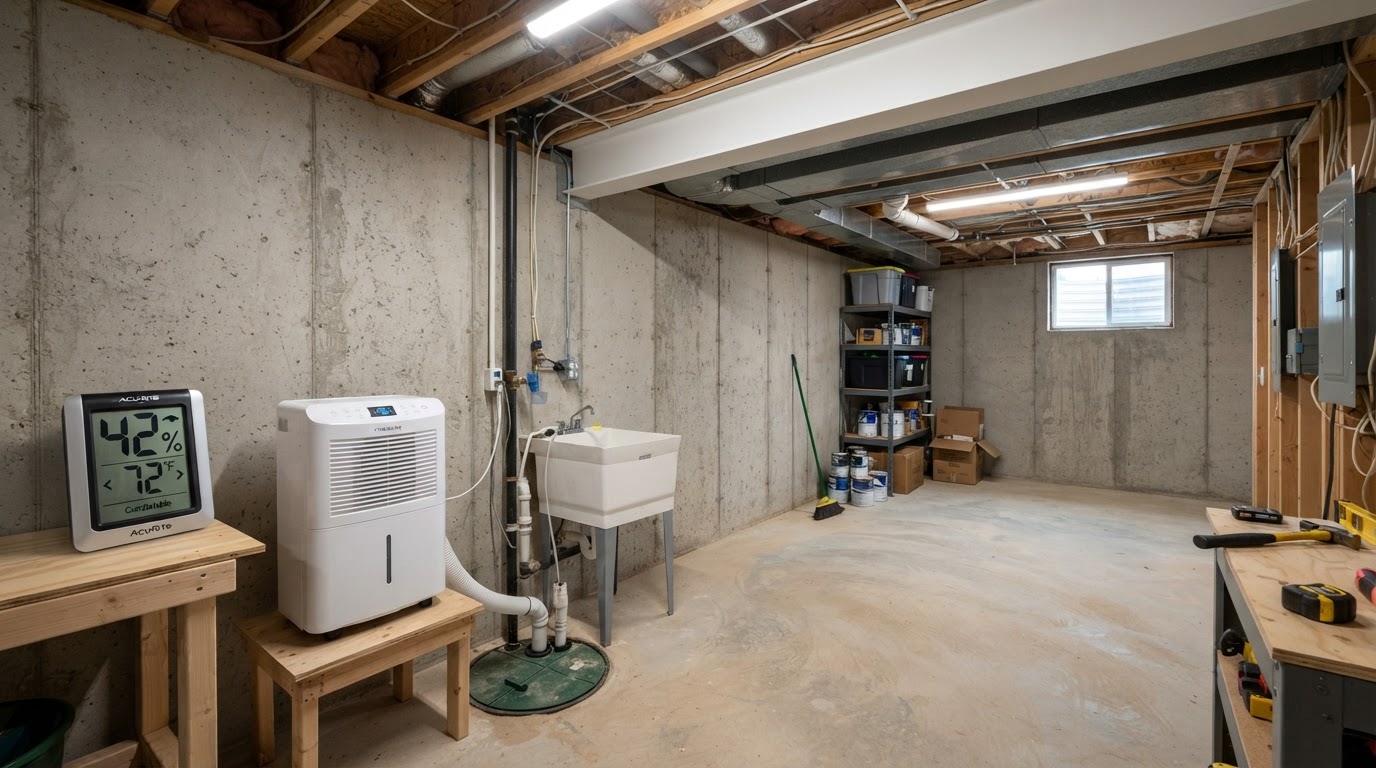
How to Prevent Mold in Maryland Basements
Basements are the most mold-prone room in a Mid-Atlantic home. Here is how to keep yours dry, ventilated, and mold-free year-round.
Testing & Inspection
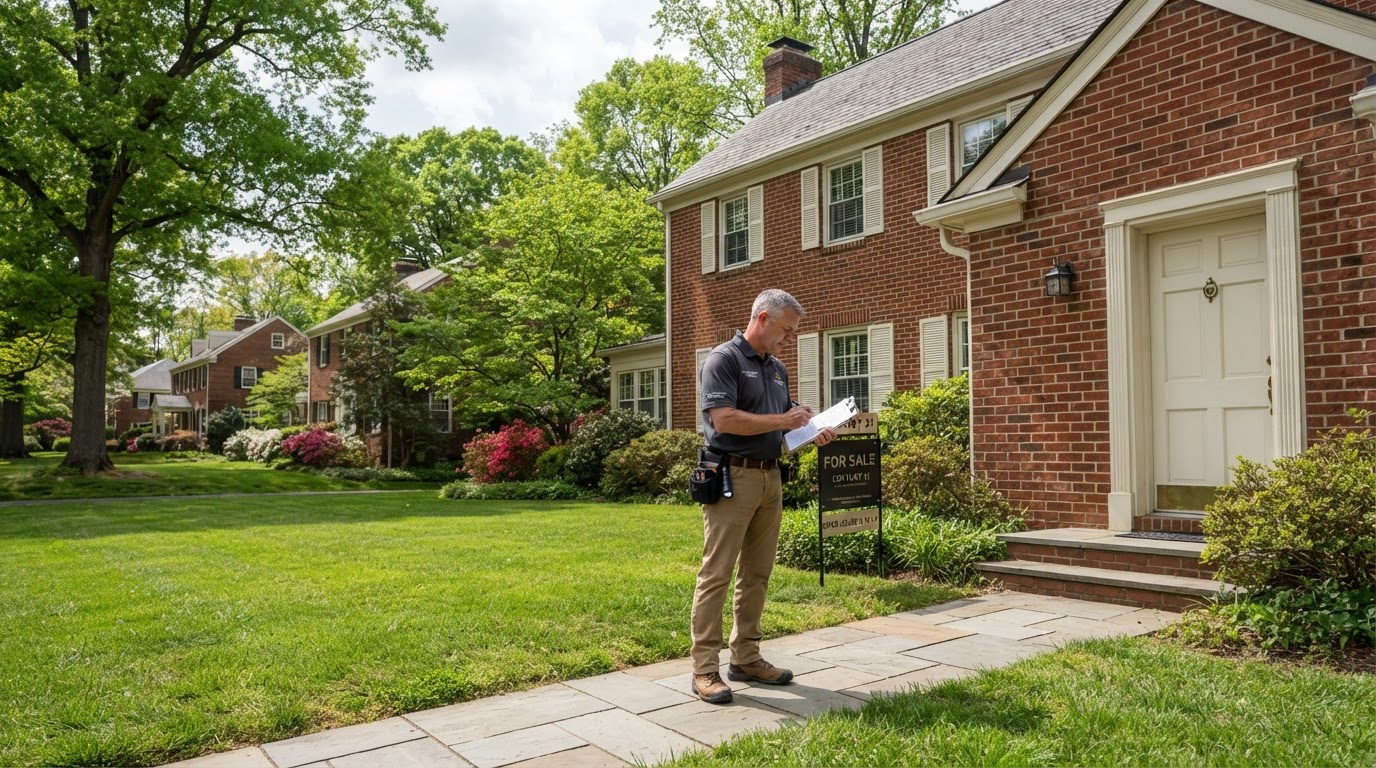
Buying a Home in Maryland? Why Mold Testing Matters
Before you close on a Maryland home, a mold inspection can reveal hidden moisture issues that a standard home inspection might miss.


Service areas we cover
MD Mold Testing serves Rockville, Bethesda & Silver Spring, MD and communities across Maryland, Washington D.C., Northern Virginia, and Delaware.
Not ready to schedule? Get our free guide.
Download The Ultimate Guide to a Mold-Free, Healthy Maryland Home and subscribe to the Maryland Healthy Home Newsletter for weekly homeowner tips.
MD Mold Testing
For professional post-remediation mold verification in Rockville, Bethesda & Silver Spring, MD and across Maryland, Washington D.C., Northern Virginia, and Delaware, our featured local provider is MD Mold Testing. Best Mold Testing Maryland is an independent educational resource — we do not perform inspections ourselves.