Mold Testing After Water Damage in Maryland & the D.C. Region
Testing within days of a pipe burst, water-heater failure, or storm flood to confirm whether mold began in the affected cavities before they dried.
What is mold testing after water damage?
Every water damage event is a potential mold event. Mold can begin growing on damp building materials within 24 to 48 hours, which is why the work done in the first two days matters more than anything that comes after. Testing after water damage confirms whether growth started in the affected cavities before they dried — and whether the drying was complete. MD Mold Testing provides post-water-damage testing throughout Maryland, D.C., Northern Virginia, and Delaware.
Why is mold testing after water damage important?
Maryland and the D.C. metro see heavy thunderstorms, tropical moisture, and occasional hurricane remnants that can dump large volumes of water into basements and lower levels. A burst pipe in a Bethesda winter, a failed water heater in a Silver Spring basement, or a storm-flooded crawl space in Annapolis can all introduce hundreds of gallons into a home. The humid air helps less than you might think — inside walls and under floors, where air does not circulate, moisture lingers just as long as it would anywhere. Testing confirms whether that hidden moisture grew mold before it dried.
Featured Local Provider
Schedule mold testing after water damage with MD Mold Testing
Serving Baltimore, Rockville & Washington, D.C. and the greater Mid-Atlantic region.
Warning signs to watch for
- A recent flood, burst pipe, or appliance leak
- Materials that stayed wet for more than a day
- A musty smell developing days after the water was removed
- Discoloration appearing after the area looked dry
- An insurance claim that requires documentation of post-event conditions
When should you schedule this service?
- A pipe burst or water heater failed and flooded part of the home
- Materials were wet for more than 24–48 hours before drying began
- You want to confirm the structure dried completely after professional drying
- An insurer requires documentation of post-event conditions
What does professional testing involve?
Here's how MD Mold Testing typically approaches mold testing after water damage across Baltimore, Rockville & Washington, D.C..
Event review
We discuss what happened, how long materials stayed wet, and what drying was performed, to gauge mold risk.
Moisture verification
Moisture meters confirm whether affected materials are genuinely dry or still holding hidden moisture.
Targeted sampling
Air and surface samples are collected in the affected area and compared to a baseline to detect any growth that started.
Documentation report
A written report documents conditions for your records or an insurance claim and recommends any further action.
Testing after water damage combines moisture verification with sampling. The moisture readings prove whether the structure dried; the samples prove whether mold began. Together they tell you whether the event is fully resolved or whether remediation is needed.
Testing is appropriate within days of any water event where materials stayed wet for more than a day, after professional drying to confirm it was complete, and whenever documentation is needed for a claim. The faster materials dry, the lower the risk — but testing confirms the outcome rather than assuming it.
What can testing results tell you?
Testing after water damage combines moisture verification with sampling. The moisture readings prove whether the structure dried; the samples prove whether mold began. Together they tell you whether the event is fully resolved or whether remediation is needed.
Featured Local Provider
Schedule mold testing after water damage with MD Mold Testing
Serving Baltimore, Rockville & Washington, D.C. and the greater Mid-Atlantic region.
Testing is appropriate within days of any water event where materials stayed wet for more than a day, after professional drying to confirm it was complete, and whenever documentation is needed for a claim. The faster materials dry, the lower the risk — but testing confirms the outcome rather than assuming it.
Testing is appropriate within days of any water event where materials stayed wet for more than a day, after professional drying to confirm it was complete, and whenever documentation is needed for a claim. The faster materials dry, the lower the risk — but testing confirms the outcome rather than assuming it.
Why mold testing after water damage matters in the Mid-Atlantic
Heavy summer thunderstorms and tropical moisture can flood Maryland basements and crawl spaces quickly.
Older plumbing and water heaters in Baltimore and D.C. homes are common failure points in winter.
The humid air can mask moisture trapped inside wall cavities and under flooring — meters see what the eye cannot.
A local, independent testing specialist
Testing after water damage combines moisture verification with sampling. The moisture readings prove whether the structure dried; the samples prove whether mold began. Together they tell you whether the event is fully resolved or whether remediation is needed.
Frequently asked questions about mold testing after water damage
How soon after water damage should I test?+
If materials stayed wet for more than about 48 hours, testing within a few days of drying can confirm whether mold began. The 24-to-48-hour window is when growth typically starts, so timing matters. Call MD Mold Testing at (301) 717-1454 to discuss your situation.
The area looks dry. Do I still need to test?+
Surface dryness does not guarantee the structure is dry inside walls and under floors. Moisture verification with meters confirms whether hidden moisture remains, and sampling confirms whether any growth started.
Will testing help with my insurance claim?+
A lab-verified report documents the conditions after the event, which can support a claim. Check with your insurer about what documentation they require.
Related questions from our knowledge base
What exactly is mold?
Mold is a type of fungus that grows from microscopic spores present in virtually all indoor and outdoor air. When spores land on a surface w
Read full answerHow does mold grow inside a home?
Mold needs three things to grow: moisture, a food source, and a suitable temperature. Indoors, moisture comes from leaks, condensation, high
Read full answerIs all mold dangerous?
Not all mold is dangerous to everyone, but no mold should be allowed to grow indoors. The CDC and EPA emphasize that the type of mold matter
Read full answerWhat types of mold are common in Maryland homes?
Common indoor molds include Aspergillus, Penicillium, Cladosporium, and Stachybotrys (often called 'black mold'). In Maryland's humid climat
Read full answerWhat is the difference between mold and mildew?
Mildew is actually a type of mold that typically grows flat on surfaces, often in bathrooms or on damp fabrics, and is usually white, gray,
Read full answerWill mold go away on its own?
Mold will not go away on its own as long as the moisture source remains. If you dry out a damp area, visible mold may stop actively growing,
Read full answerFeatured Local Provider
Schedule mold testing after water damage with MD Mold Testing
Serving Baltimore, Rockville & Washington, D.C. and the greater Mid-Atlantic region.
Related educational articles
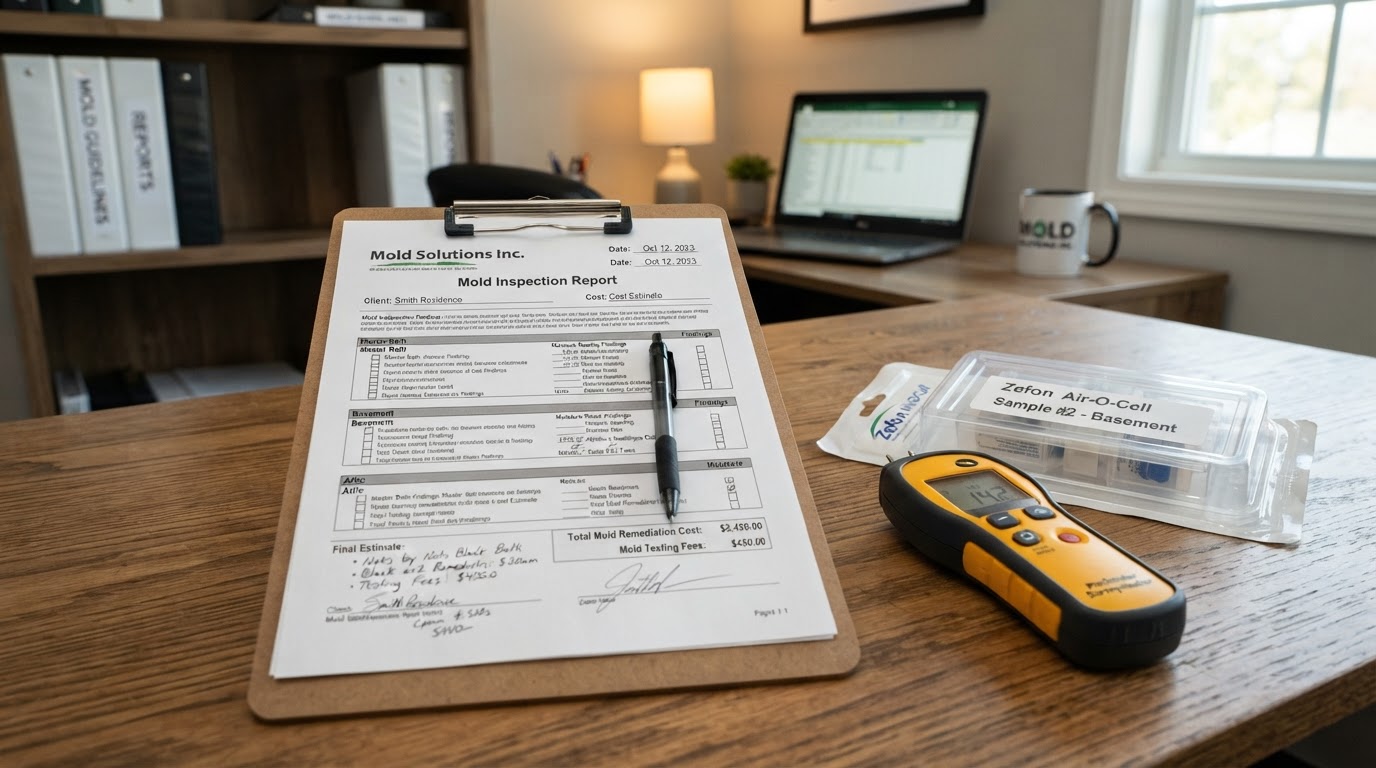
Cost & Timing
How Much Does Mold Testing Cost in Maryland?
Mold testing prices vary based on the scope of the inspection and the size of your home. Here is what influences the cost across Maryland and the DC region.
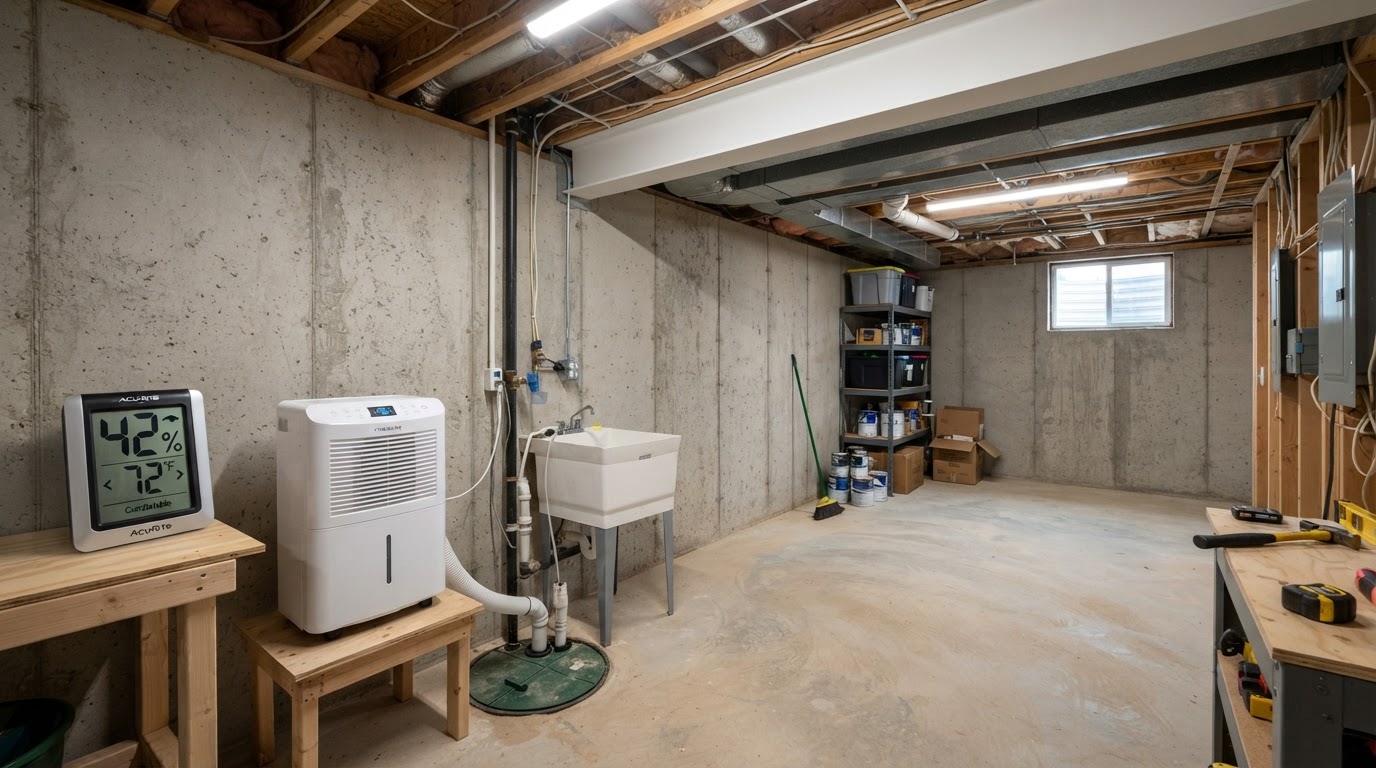
Moisture & Humidity
How to Prevent Mold in Maryland Basements
Basements are the most mold-prone room in a Mid-Atlantic home. Here is how to keep yours dry, ventilated, and mold-free year-round.
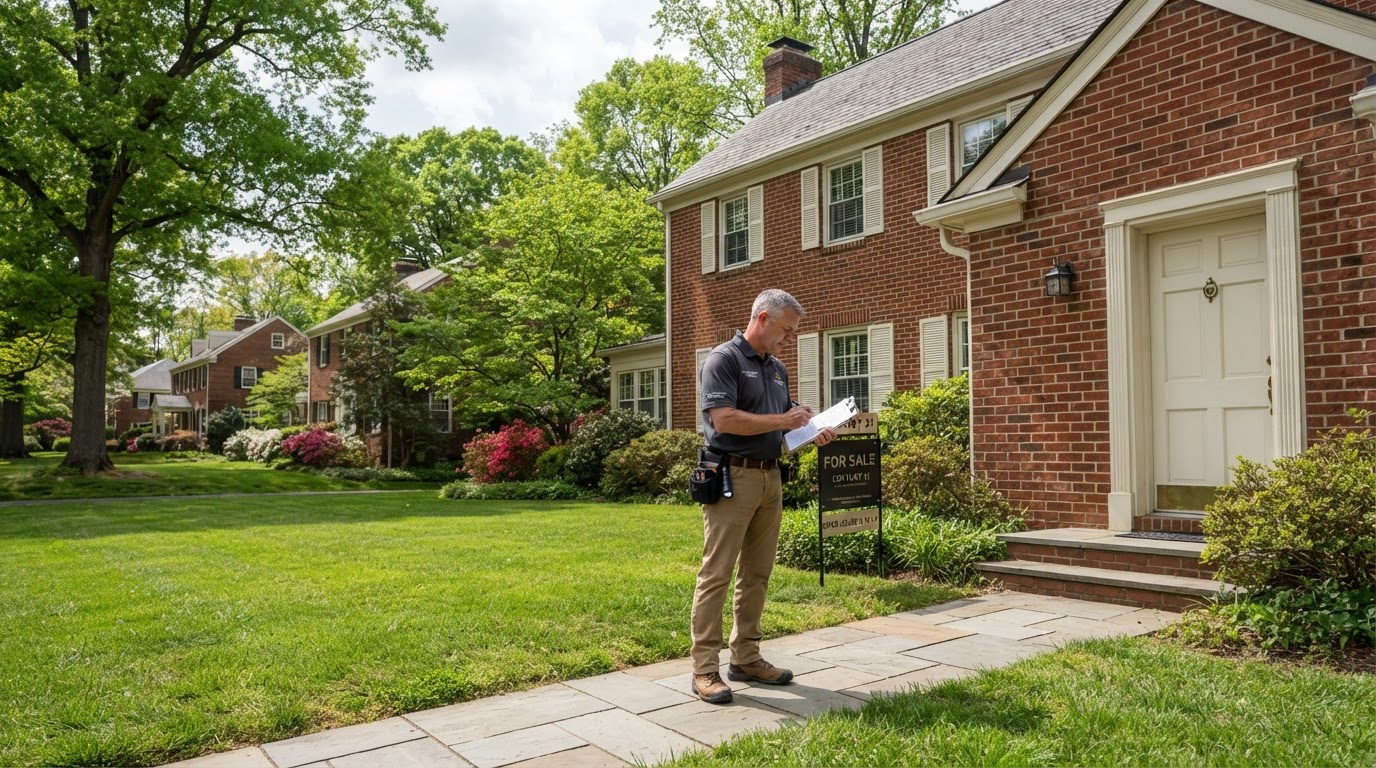
Testing & Inspection
Buying a Home in Maryland? Why Mold Testing Matters
Before you close on a Maryland home, a mold inspection can reveal hidden moisture issues that a standard home inspection might miss.


Service areas we cover
MD Mold Testing serves Baltimore, Rockville & Washington, D.C. and communities across Maryland, Washington D.C., Northern Virginia, and Delaware.
Not ready to schedule? Get our free guide.
Download The Ultimate Guide to a Mold-Free, Healthy Maryland Home and subscribe to the Maryland Healthy Home Newsletter for weekly homeowner tips.
MD Mold Testing
For professional mold testing after water damage in Baltimore, Rockville & Washington, D.C. and across Maryland, Washington D.C., Northern Virginia, and Delaware, our featured local provider is MD Mold Testing. Best Mold Testing Maryland is an independent educational resource — we do not perform inspections ourselves.