Mold Testing After Roof Leaks in Maryland & the D.C. Region
Targeted testing after a roof leak or flashing failure to confirm whether mold began in the attic, sheathing, or ceiling before it dried.
What is mold testing after roof leaks?
Roof leaks are a seasonal fact of life in the Mid-Atlantic. Heavy thunderstorms, nor'easters, and winter ice dams all expose weak seams — aging flashing, cracked skylights, clogged gutters. Water that enters an attic or ceiling can sit in the sheathing and insulation for days before any stain appears inside. Testing after a roof leak confirms whether mold began in those hidden cavities before they dried.
Why is mold testing after roof leaks important?
The Maryland and D.C. region sees a wide range of precipitation — summer thunderstorms, fall nor'easters, and winter ice dams that can force water under flashing. Both pitched shingle roofs and the flat or low-slope roofs common in urban D.C. and Baltimore rowhouses fail differently. Wind-driven rain finds gaps that would never leak in a gentle storm, and ice dams back water up under shingles in a Bethesda winter. In every case the water reaches the attic first, where it stays hidden in the sheathing and insulation.
Featured Local Provider
Schedule mold testing after roof leaks with MD Mold Testing
Serving Bethesda, Rockville & Silver Spring, MD and the greater Mid-Atlantic region.
Warning signs to watch for
- A ceiling stain after a heavy storm
- Damp insulation or a musty smell in the attic
- Discoloration around a skylight, chimney, or vent penetration
- Water ponding on a flat or low-slope roof after rain
- Lifted or missing shingles, or ice dam buildup at the eaves
When should you schedule this service?
- A storm caused a visible ceiling leak
- You found attic insulation that is damp
- A flat-roof drain clogged and water ponded
- Flashing around a vent, skylight, or chimney failed
- An ice dam caused a winter leak
What does professional testing involve?
Here's how MD Mold Testing typically approaches mold testing after roof leaks across Bethesda, Rockville & Silver Spring, MD.
Leak & roof review
We discuss where the leak appeared, the roof type, and what repairs were made, to focus the assessment.
Attic & ceiling inspection
A visual and moisture inspection of the attic, sheathing, and ceiling drywall finds where water traveled and whether materials dried.
Targeted sampling
Air and surface samples from the attic and affected ceiling confirm whether mold began in the wetted materials.
Findings report
The report documents whether growth started and recommends whether remediation or further drying is needed.
Roof-leak testing focuses on the attic and the ceiling below the leak path. Moisture readings confirm whether sheathing and insulation dried; sampling confirms whether mold established in the days the materials stayed wet. The report tells you whether the leak is fully resolved or whether remediation is needed.
Testing is appropriate within days of any roof leak that wet the attic or ceiling, after roof repairs to confirm the area dried, and when a musty smell develops in the attic after a storm season. The faster wet materials dry, the lower the risk — but testing confirms the outcome.
What can testing results tell you?
Roof-leak testing focuses on the attic and the ceiling below the leak path. Moisture readings confirm whether sheathing and insulation dried; sampling confirms whether mold established in the days the materials stayed wet. The report tells you whether the leak is fully resolved or whether remediation is needed.
Featured Local Provider
Schedule mold testing after roof leaks with MD Mold Testing
Serving Bethesda, Rockville & Silver Spring, MD and the greater Mid-Atlantic region.
Testing is appropriate within days of any roof leak that wet the attic or ceiling, after roof repairs to confirm the area dried, and when a musty smell develops in the attic after a storm season. The faster wet materials dry, the lower the risk — but testing confirms the outcome.
Testing is appropriate within days of any roof leak that wet the attic or ceiling, after roof repairs to confirm the area dried, and when a musty smell develops in the attic after a storm season. The faster wet materials dry, the lower the risk — but testing confirms the outcome.
Why mold testing after roof leaks matters in the Mid-Atlantic
Heavy summer thunderstorms can force water through gaps that would never leak in a gentle rain.
Winter ice dams in Maryland can back water up under shingles and into attics.
Flat and low-slope roofs on D.C. and Baltimore rowhouses pond when drains clog with debris.
A local, independent testing specialist
Roof-leak testing focuses on the attic and the ceiling below the leak path. Moisture readings confirm whether sheathing and insulation dried; sampling confirms whether mold established in the days the materials stayed wet. The report tells you whether the leak is fully resolved or whether remediation is needed.
Frequently asked questions about mold testing after roof leaks
My roof was repaired. Do I still need to test?+
Repairing the leak stops new water but does not address moisture that already entered the attic. If sheathing or insulation stayed wet for more than a couple of days, testing confirms whether mold began before the area dried.
Can mold grow in an attic in Maryland's climate?+
Yes. Once water enters the attic from a leak, it is trapped in the sheathing and insulation where air does not circulate. That trapped moisture is enough for mold to begin, especially in a humid climate where drying is slow.
I have a flat or low-slope roof. Is the risk different?+
Flat roofs depend entirely on functioning drains and flashing. When drains clog with debris, water ponds and can find any seam to leak through. Regular drain inspection is the best prevention; testing after a known ponding event confirms whether growth started.
Related questions from our knowledge base
What exactly is mold?
Mold is a type of fungus that grows from microscopic spores present in virtually all indoor and outdoor air. When spores land on a surface w
Read full answerHow does mold grow inside a home?
Mold needs three things to grow: moisture, a food source, and a suitable temperature. Indoors, moisture comes from leaks, condensation, high
Read full answerIs all mold dangerous?
Not all mold is dangerous to everyone, but no mold should be allowed to grow indoors. The CDC and EPA emphasize that the type of mold matter
Read full answerWhat types of mold are common in Maryland homes?
Common indoor molds include Aspergillus, Penicillium, Cladosporium, and Stachybotrys (often called 'black mold'). In Maryland's humid climat
Read full answerWhat is the difference between mold and mildew?
Mildew is actually a type of mold that typically grows flat on surfaces, often in bathrooms or on damp fabrics, and is usually white, gray,
Read full answerWill mold go away on its own?
Mold will not go away on its own as long as the moisture source remains. If you dry out a damp area, visible mold may stop actively growing,
Read full answerFeatured Local Provider
Schedule mold testing after roof leaks with MD Mold Testing
Serving Bethesda, Rockville & Silver Spring, MD and the greater Mid-Atlantic region.
Related educational articles

Cost & Timing
How Much Does Mold Testing Cost in Maryland?
Mold testing prices vary based on the scope of the inspection and the size of your home. Here is what influences the cost across Maryland and the DC region.
Moisture & Humidity
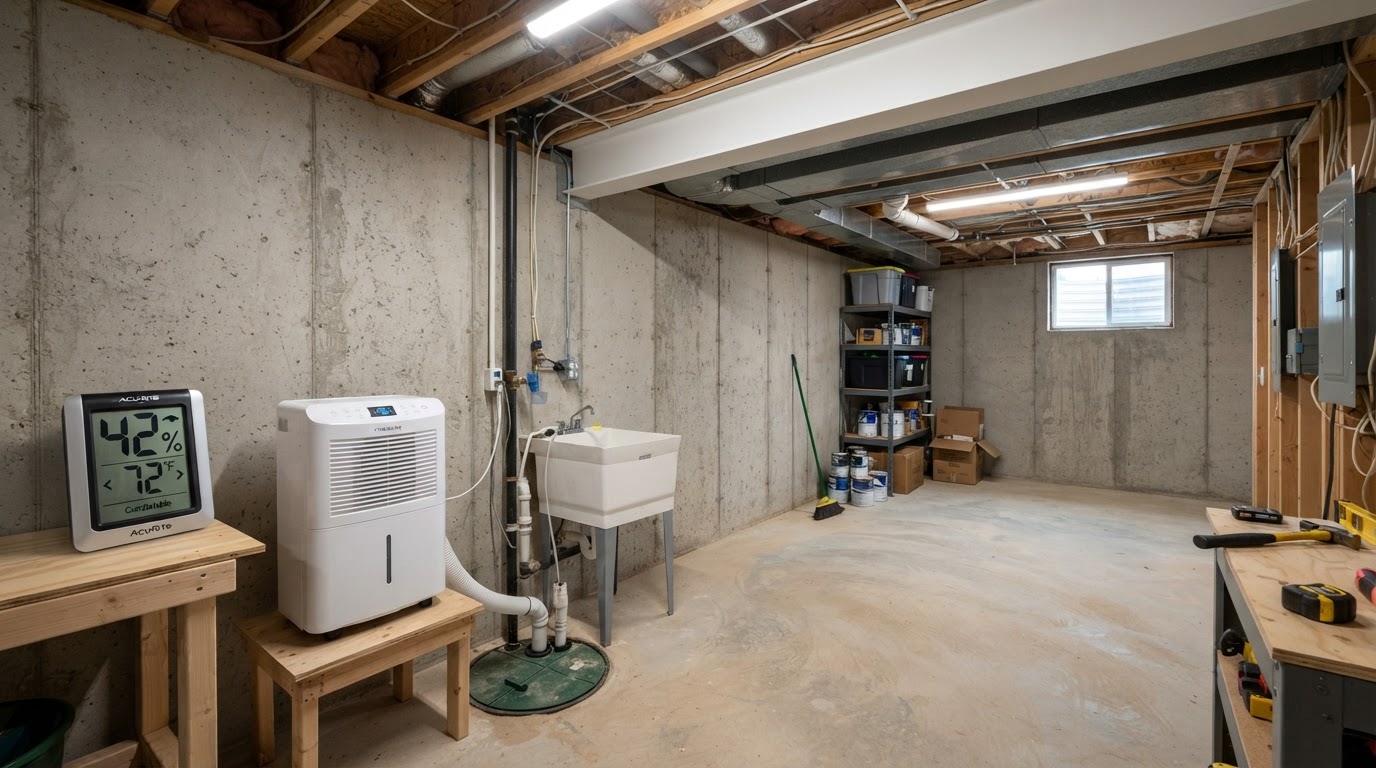
How to Prevent Mold in Maryland Basements
Basements are the most mold-prone room in a Mid-Atlantic home. Here is how to keep yours dry, ventilated, and mold-free year-round.
Testing & Inspection
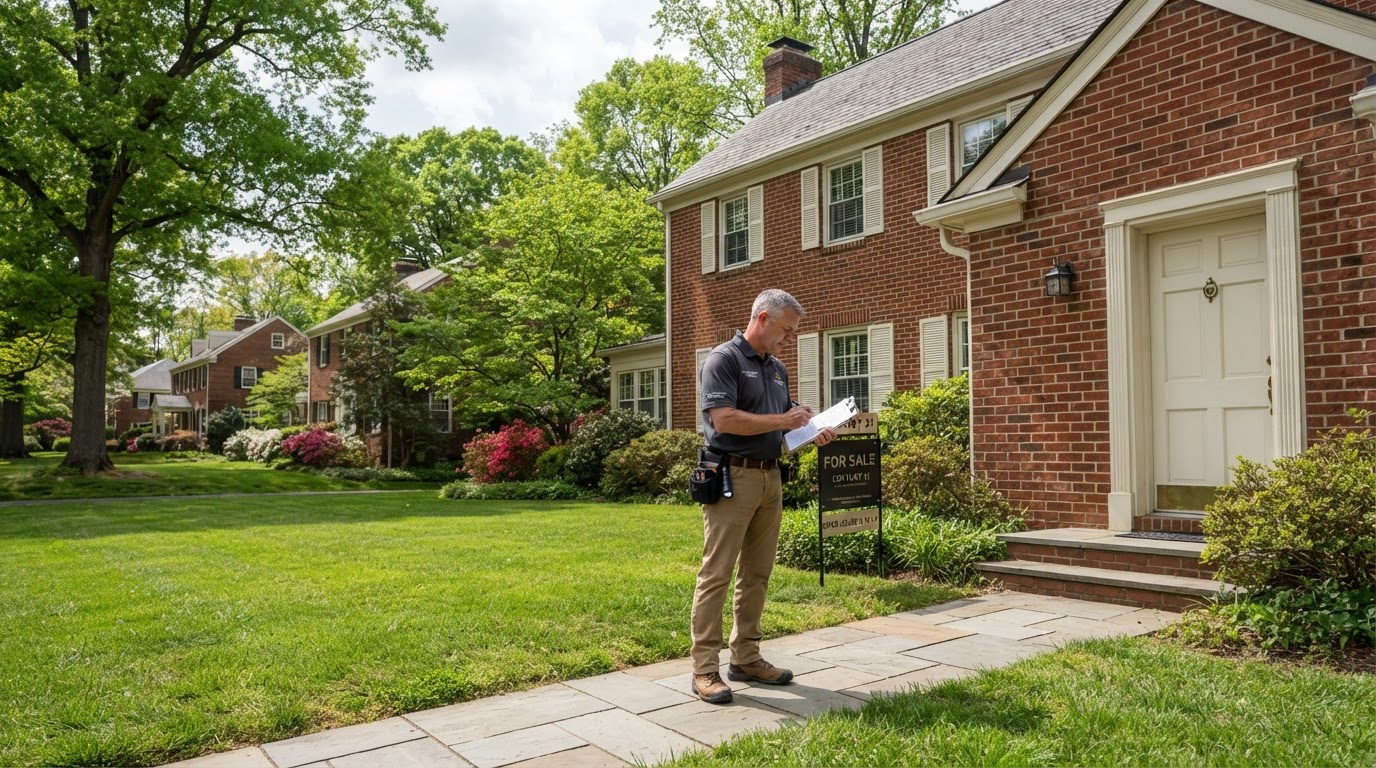
Buying a Home in Maryland? Why Mold Testing Matters
Before you close on a Maryland home, a mold inspection can reveal hidden moisture issues that a standard home inspection might miss.


Service areas we cover
MD Mold Testing serves Bethesda, Rockville & Silver Spring, MD and communities across Maryland, Washington D.C., Northern Virginia, and Delaware.
Not ready to schedule? Get our free guide.
Download The Ultimate Guide to a Mold-Free, Healthy Maryland Home and subscribe to the Maryland Healthy Home Newsletter for weekly homeowner tips.
MD Mold Testing
For professional mold testing after roof leaks in Bethesda, Rockville & Silver Spring, MD and across Maryland, Washington D.C., Northern Virginia, and Delaware, our featured local provider is MD Mold Testing. Best Mold Testing Maryland is an independent educational resource — we do not perform inspections ourselves.