HVAC Mold Inspections in Maryland & the Greater D.C. Region
Inspection of air handlers, coils, condensate drains, and ductwork — the system most responsible for hidden moisture in humid Mid-Atlantic homes.
What is hvac mold inspections?
In a humid Mid-Atlantic home, the HVAC system is the single biggest moisture mover. It runs for much of the year, pulling humidity from the air and draining it through a condensate line. When that system leaks, clogs, or grows mold on its coils and in its ductwork, it spreads the problem through the entire home. An HVAC-focused mold inspection examines the system most responsible for hidden moisture.
Why is hvac mold inspections important?
Air conditioning runs for a large portion of the year in Maryland and D.C., pulling humidity from the region's moist summer air. That constant operation means constant condensation, and a clogged condensate drain can silently dump water into an attic or wall over a single season. High pollen and humidity levels mean coils and drain pans are a common growth site, and older D.C. and Baltimore homes may have roof-mounted or attic air handlers whose condensate leaks straight into ceilings. An HVAC inspection here targets the system's real regional vulnerabilities.
Featured Local Provider
Schedule hvac mold inspections with MD Mold Testing
Serving Silver Spring, Rockville & Bethesda, MD and the greater Mid-Atlantic region.
Warning signs to watch for
- A musty smell when the AC or heat runs
- Water staining near an interior wall or ceiling below an air handler
- Visible speckling around supply registers
- An AC drip pan that has overflowed
- Reduced airflow or a persistent dusty smell from the vents
When should you schedule this service?
- A musty smell appears only when the AC is running
- A condensate drain clogged and overflowed
- You see speckling around supply registers
- An older roof-mounted or attic air handler is leaking into the ceiling
What does professional testing involve?
Here's how MD Mold Testing typically approaches hvac mold inspections across Silver Spring, Rockville & Bethesda, MD.
System review
We discuss the home's HVAC configuration — central system, zoning, attic or basement placement — and any known condensate or airflow issues.
Air handler & coil inspection
The air handler, coils, drain pan, and condensate line are inspected for growth, blockage, and overflow.
Duct & register assessment
Supply registers, return air, and accessible ductwork are checked for visible growth and moisture.
System-focused report
The report identifies whether the HVAC is a moisture or mold source and recommends cleaning, repair, or further sampling.
An HVAC mold inspection focuses on the components where moisture collects — coils, drain pans, condensate lines, and the ductwork downstream. It tells you whether the system that conditions your air is also the source of a mold problem.
An HVAC-focused inspection is appropriate when a musty smell tracks with AC use, after a condensate overflow, when speckling appears at registers, and for older attic or roof-mounted units. It is often the missing piece when a general inspection finds no obvious source.
What can testing results tell you?
An HVAC mold inspection focuses on the components where moisture collects — coils, drain pans, condensate lines, and the ductwork downstream. It tells you whether the system that conditions your air is also the source of a mold problem.
Featured Local Provider
Schedule hvac mold inspections with MD Mold Testing
Serving Silver Spring, Rockville & Bethesda, MD and the greater Mid-Atlantic region.
An HVAC-focused inspection is appropriate when a musty smell tracks with AC use, after a condensate overflow, when speckling appears at registers, and for older attic or roof-mounted units. It is often the missing piece when a general inspection finds no obvious source.
An HVAC-focused inspection is appropriate when a musty smell tracks with AC use, after a condensate overflow, when speckling appears at registers, and for older attic or roof-mounted units. It is often the missing piece when a general inspection finds no obvious source.
Why hvac mold inspections matters in the Mid-Atlantic
Humid summers mean AC runs constantly, concentrating condensation in drain lines and pans.
High pollen and humidity levels make coils and drain pans common growth sites in Mid-Atlantic homes.
Older D.C. and Baltimore homes may have attic or roof-mounted air handlers that leak into ceilings when clogged.
A local, independent testing specialist
An HVAC mold inspection focuses on the components where moisture collects — coils, drain pans, condensate lines, and the ductwork downstream. It tells you whether the system that conditions your air is also the source of a mold problem.
Frequently asked questions about hvac mold inspections
Can mold actually grow inside my AC system?+
Yes. The coils and drain pan are wet by design during operation, and dust plus moisture creates an environment where mold can establish on the coil and in the drain pan. From there, spores can travel through the ductwork.
My AC drip pan overflowed. What should I do?+
Clear the condensate blockage, dry any wet drywall or framing promptly, and have the area inspected. If materials stayed wet for more than a couple of days, testing can confirm whether mold started in the surrounding cavity.
Will cleaning my ducts solve a mold problem?+
Duct cleaning addresses the ductwork but not the source. If the coil or drain pan is growing mold, it will recontaminate the ducts. An HVAC inspection identifies the actual source so cleaning is effective rather than temporary.
Related questions from our knowledge base
What exactly is mold?
Mold is a type of fungus that grows from microscopic spores present in virtually all indoor and outdoor air. When spores land on a surface w
Read full answerHow does mold grow inside a home?
Mold needs three things to grow: moisture, a food source, and a suitable temperature. Indoors, moisture comes from leaks, condensation, high
Read full answerIs all mold dangerous?
Not all mold is dangerous to everyone, but no mold should be allowed to grow indoors. The CDC and EPA emphasize that the type of mold matter
Read full answerWhat types of mold are common in Maryland homes?
Common indoor molds include Aspergillus, Penicillium, Cladosporium, and Stachybotrys (often called 'black mold'). In Maryland's humid climat
Read full answerWhat is the difference between mold and mildew?
Mildew is actually a type of mold that typically grows flat on surfaces, often in bathrooms or on damp fabrics, and is usually white, gray,
Read full answerWill mold go away on its own?
Mold will not go away on its own as long as the moisture source remains. If you dry out a damp area, visible mold may stop actively growing,
Read full answerFeatured Local Provider
Schedule hvac mold inspections with MD Mold Testing
Serving Silver Spring, Rockville & Bethesda, MD and the greater Mid-Atlantic region.
Related educational articles

Cost & Timing
How Much Does Mold Testing Cost in Maryland?
Mold testing prices vary based on the scope of the inspection and the size of your home. Here is what influences the cost across Maryland and the DC region.
Moisture & Humidity
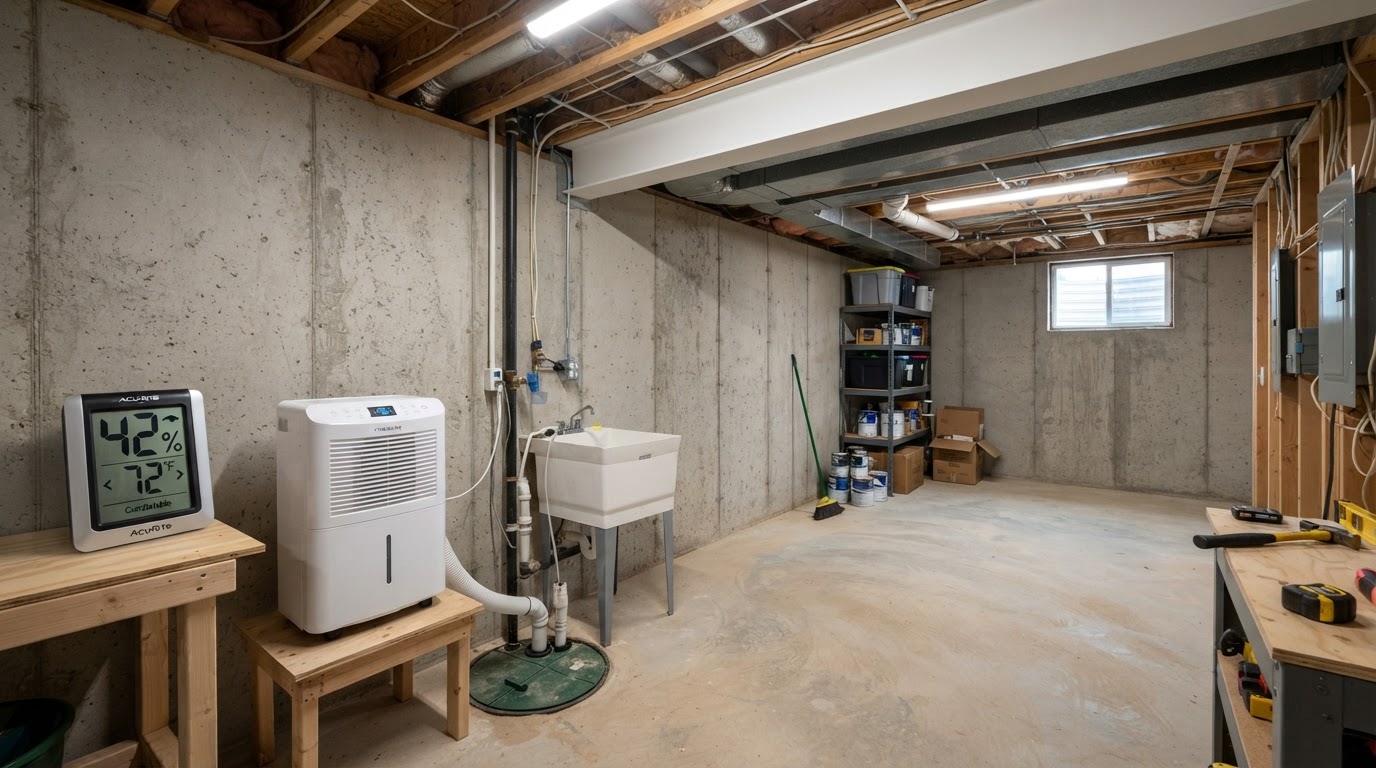
How to Prevent Mold in Maryland Basements
Basements are the most mold-prone room in a Mid-Atlantic home. Here is how to keep yours dry, ventilated, and mold-free year-round.

Testing & Inspection
Buying a Home in Maryland? Why Mold Testing Matters
Before you close on a Maryland home, a mold inspection can reveal hidden moisture issues that a standard home inspection might miss.


Service areas we cover
MD Mold Testing serves Silver Spring, Rockville & Bethesda, MD and communities across Maryland, Washington D.C., Northern Virginia, and Delaware.
Not ready to schedule? Get our free guide.
Download The Ultimate Guide to a Mold-Free, Healthy Maryland Home and subscribe to the Maryland Healthy Home Newsletter for weekly homeowner tips.
MD Mold Testing
For professional hvac mold inspections in Silver Spring, Rockville & Bethesda, MD and across Maryland, Washington D.C., Northern Virginia, and Delaware, our featured local provider is MD Mold Testing. Best Mold Testing Maryland is an independent educational resource — we do not perform inspections ourselves.