Indoor Air Quality Testing in Maryland & the Greater D.C. Region
Broader than mold alone — indoor air quality testing measures airborne particulates, allergens, and humidity to explain unexplained symptoms in Mid-Atlantic homes.
What is indoor air quality testing?
Indoor air quality testing looks beyond mold alone. When symptoms are vague — a lingering cough, recurring headaches, allergy flare-ups that ease when you leave — the cause is not always mold. Air quality testing assesses the broader indoor environment, including airborne particulates, allergens, and humidity, so you understand what you are actually breathing before you spend on a fix that may not address the real source.
Why is indoor air quality testing important?
Maryland and D.C. homes run air conditioning and dehumidification through long, humid summers, and the same tight construction that lowers energy bills can trap airborne particulates indoors. Pollen, dust, and the byproducts of hidden moisture all recirculate through the HVAC system. The region's high ambient humidity means indoor air can carry a heavier biological load than in drier climates, and older homes in Baltimore and D.C. add lead paint dust and aging ventilation to the mix. Indoor air quality testing here accounts for all of those regional factors.
Featured Local Provider
Schedule indoor air quality testing with MD Mold Testing
Serving Silver Spring, Rockville & Washington, D.C. and the greater Mid-Atlantic region.
Warning signs to watch for
- Symptoms that improve when you leave the home and return when you come back
- A musty or stale quality to the air even when the home looks clean
- Excessive dust around supply registers and return vents
- Headaches, congestion, or fatigue with no other explanation
- A home that has been sealed and unoccupied for an extended period
When should you schedule this service?
- Symptoms are real but you cannot pinpoint a cause
- You want to know whether mold is the issue or something else
- A family member has asthma, allergies, or a compromised immune system
- You recently moved into a tightly sealed new build or a renovated older home
What does professional testing involve?
Here's how MD Mold Testing typically approaches indoor air quality testing across Silver Spring, Rockville & Washington, D.C..
Symptom & home history
We discuss who is affected, when, and what changes in the home — HVAC use, recent leaks, renovations, new construction — to guide the assessment.
Airborne assessment
Air sampling evaluates airborne particulates and allergens, alongside a visual and moisture inspection for hidden sources.
Mold screening
Where mold is a suspect, spore-trap air sampling compares indoor levels to an outdoor baseline to flag any elevation.
Plain-language findings
The report explains what was found, what it likely means, and what to do next — whether that is remediation, better ventilation, or peace of mind.
An indoor air quality assessment combines a visual and moisture inspection with air sampling. Results identify whether airborne levels are elevated and, where mold is present, what type and concentration. The goal is information that changes what you do next. For a professional assessment, call MD Mold Testing at (301) 717-1454.
Air quality testing is appropriate when symptoms are recurring and unexplained, when you want to distinguish mold from other airborne irritants, and for sensitive occupants in tightly sealed or older homes. It is informational — it tells you the condition of your indoor environment, not a medical diagnosis.
What can testing results tell you?
An indoor air quality assessment combines a visual and moisture inspection with air sampling. Results identify whether airborne levels are elevated and, where mold is present, what type and concentration. The goal is information that changes what you do next. For a professional assessment, call MD Mold Testing at (301) 717-1454.
Featured Local Provider
Schedule indoor air quality testing with MD Mold Testing
Serving Silver Spring, Rockville & Washington, D.C. and the greater Mid-Atlantic region.
Air quality testing is appropriate when symptoms are recurring and unexplained, when you want to distinguish mold from other airborne irritants, and for sensitive occupants in tightly sealed or older homes. It is informational — it tells you the condition of your indoor environment, not a medical diagnosis.
Air quality testing is appropriate when symptoms are recurring and unexplained, when you want to distinguish mold from other airborne irritants, and for sensitive occupants in tightly sealed or older homes. It is informational — it tells you the condition of your indoor environment, not a medical diagnosis.
Why indoor air quality testing matters in the Mid-Atlantic
Tightly sealed energy-efficient construction traps airborne particulates that would dissipate in a leakier home.
High Mid-Atlantic humidity supports dust mites and biological growth that contribute to indoor allergens.
Older homes in D.C. and Baltimore may add lead paint dust and aging ventilation to the indoor air picture.
A local, independent testing specialist
An indoor air quality assessment combines a visual and moisture inspection with air sampling. Results identify whether airborne levels are elevated and, where mold is present, what type and concentration. The goal is information that changes what you do next. For a professional assessment, call MD Mold Testing at (301) 717-1454.
Frequently asked questions about indoor air quality testing
Is indoor air quality testing the same as mold testing?+
No. Mold testing identifies the type and concentration of mold specifically. Indoor air quality testing is broader — it assesses the overall airborne environment, which may include mold, dust, allergens, and humidity. The two often overlap and can be performed together.
My symptoms improve when I leave home. Is that meaningful?+
It can be. A pattern of symptoms that ease away from the home and return when you come back is a reasonable signal that the indoor environment is a factor. Air quality testing can help identify what that factor is.
Will testing tell me if the air is making me sick?+
Testing tells you what is in your air and at what levels. It is environmental information, not a medical diagnosis. For personal health concerns, share the results with your healthcare provider.
Related questions from our knowledge base
What exactly is mold?
Mold is a type of fungus that grows from microscopic spores present in virtually all indoor and outdoor air. When spores land on a surface w
Read full answerHow does mold grow inside a home?
Mold needs three things to grow: moisture, a food source, and a suitable temperature. Indoors, moisture comes from leaks, condensation, high
Read full answerIs all mold dangerous?
Not all mold is dangerous to everyone, but no mold should be allowed to grow indoors. The CDC and EPA emphasize that the type of mold matter
Read full answerWhat types of mold are common in Maryland homes?
Common indoor molds include Aspergillus, Penicillium, Cladosporium, and Stachybotrys (often called 'black mold'). In Maryland's humid climat
Read full answerWhat is the difference between mold and mildew?
Mildew is actually a type of mold that typically grows flat on surfaces, often in bathrooms or on damp fabrics, and is usually white, gray,
Read full answerWill mold go away on its own?
Mold will not go away on its own as long as the moisture source remains. If you dry out a damp area, visible mold may stop actively growing,
Read full answerFeatured Local Provider
Schedule indoor air quality testing with MD Mold Testing
Serving Silver Spring, Rockville & Washington, D.C. and the greater Mid-Atlantic region.
Related educational articles
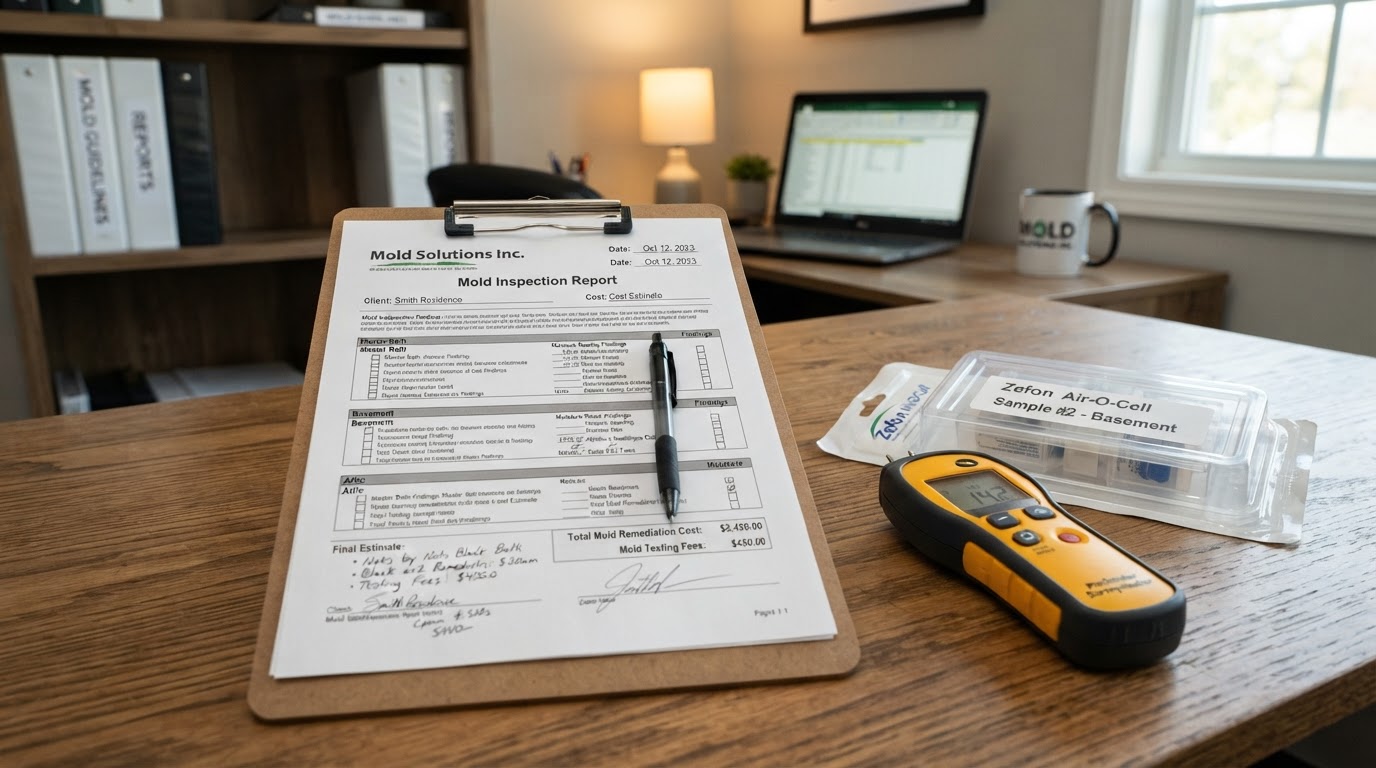
Cost & Timing
How Much Does Mold Testing Cost in Maryland?
Mold testing prices vary based on the scope of the inspection and the size of your home. Here is what influences the cost across Maryland and the DC region.
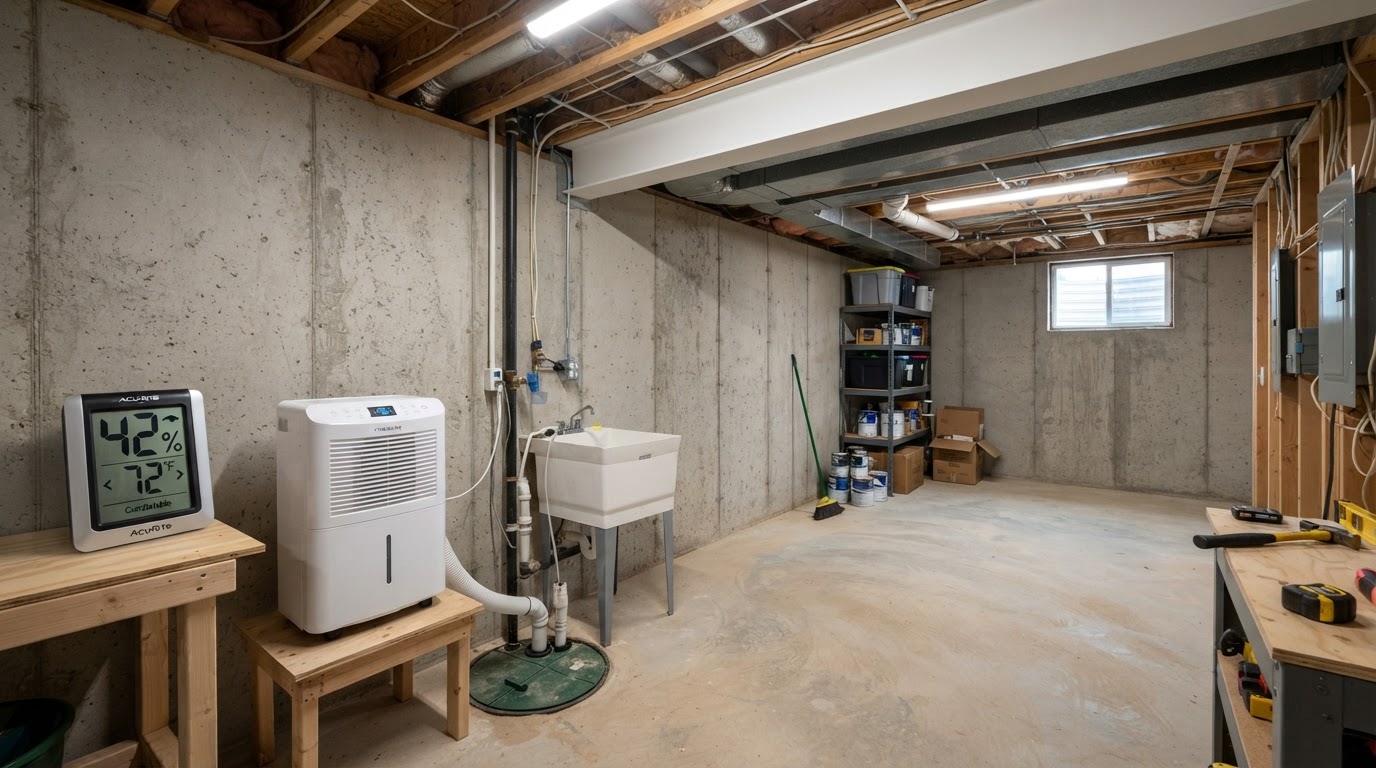
Moisture & Humidity
How to Prevent Mold in Maryland Basements
Basements are the most mold-prone room in a Mid-Atlantic home. Here is how to keep yours dry, ventilated, and mold-free year-round.
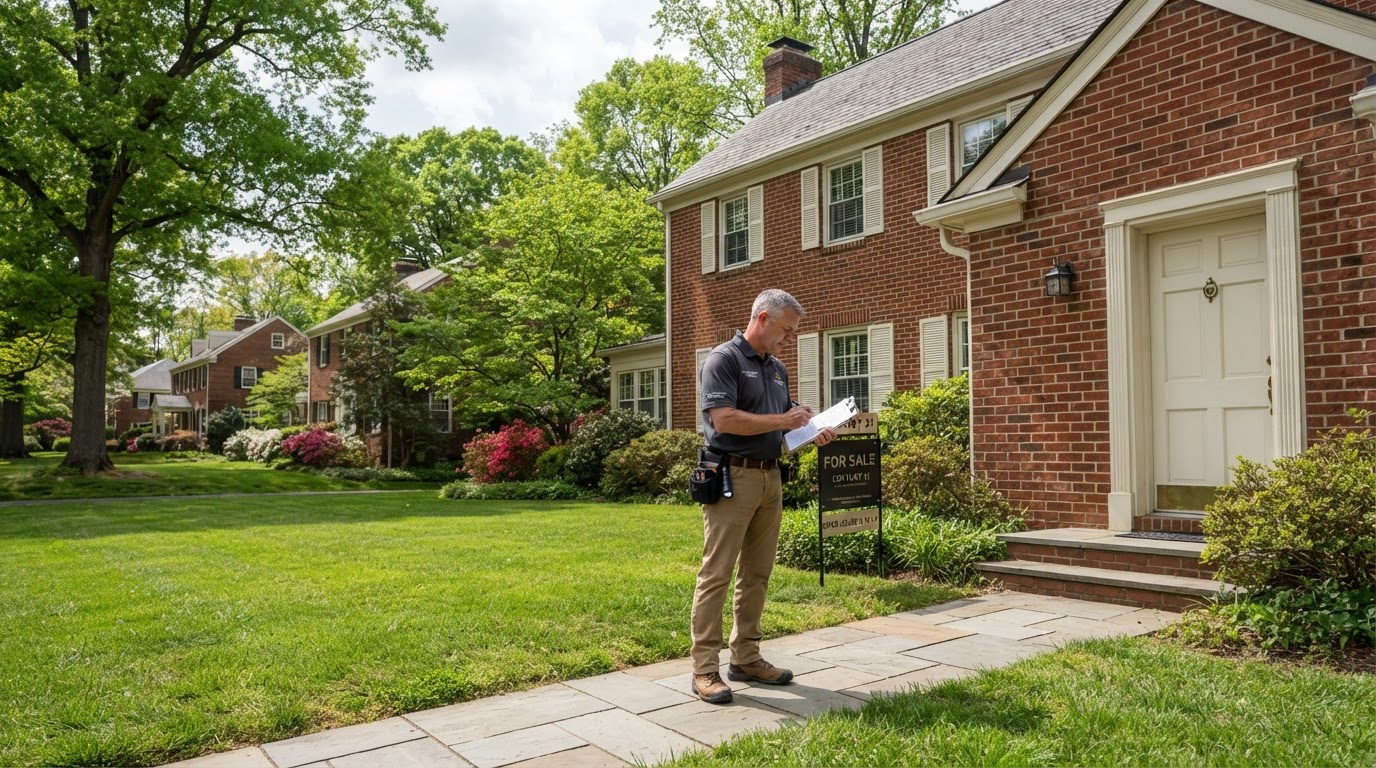
Testing & Inspection
Buying a Home in Maryland? Why Mold Testing Matters
Before you close on a Maryland home, a mold inspection can reveal hidden moisture issues that a standard home inspection might miss.


Service areas we cover
MD Mold Testing serves Silver Spring, Rockville & Washington, D.C. and communities across Maryland, Washington D.C., Northern Virginia, and Delaware.
Not ready to schedule? Get our free guide.
Download The Ultimate Guide to a Mold-Free, Healthy Maryland Home and subscribe to the Maryland Healthy Home Newsletter for weekly homeowner tips.
MD Mold Testing
For professional indoor air quality testing in Silver Spring, Rockville & Washington, D.C. and across Maryland, Washington D.C., Northern Virginia, and Delaware, our featured local provider is MD Mold Testing. Best Mold Testing Maryland is an independent educational resource — we do not perform inspections ourselves.