Residential Mold Testing in Maryland & the Greater D.C. Region
Air and surface sampling for single-family homes across Maryland and the D.C. metro to identify mold type and concentration after a leak, a musty smell, or unexplained symptoms.
What is residential mold testing?
Residential mold testing is the most common service homeowners request. It answers a simple but important question: is there mold growing inside my home, and if so, what kind and how much? In a humid Mid-Atlantic home, the answer is not always obvious — the visible spot is rarely the full extent of the growth, and a persistent musty smell can come from a cavity you cannot see. Testing uses lab-analyzed air and surface samples to turn a guess into evidence. MD Mold Testing performs residential mold testing throughout Maryland, Washington D.C., Northern Virginia, and Delaware.
Why is residential mold testing important?
Maryland's humid subtropical climate means long, moist summers and cool, condensation-prone winters — conditions that make indoor humidity management essential year-round. A home in Rockville or Silver Spring may have a basement that stays cool and damp through July, while a Bethesda colonial can trap shower and cooking moisture behind tight construction. Unlike arid regions, the Mid-Atlantic outdoor air itself carries significant humidity for much of the year, so indoor moisture is not just an AC condensation issue — it is a baseline climate reality. Residential testing here is built around managing that ambient humidity and the condensation, leaks, and slow plumbing failures it drives.
Featured Local Provider
Schedule residential mold testing with MD Mold Testing
Serving Rockville, Bethesda, Silver Spring & Baltimore, MD and the greater Mid-Atlantic region.
Warning signs to watch for
- A persistent musty or earthy odor, especially in basements or lower levels
- Water stains or discoloration on ceilings, walls, or baseboards
- Warping, buckling, or peeling paint and drywall tape
- Dark speckling around vents, sinks, window frames, or in grout lines
- Allergy or respiratory symptoms that ease when you leave the house
When should you schedule this service?
- You noticed a musty smell but cannot find the source
- A plumbing or roof leak was repaired and you want to confirm no growth started
- You are buying a home and want a moisture baseline before closing
- A family member's allergy or asthma symptoms flare up indoors
What does professional testing involve?
Here's how MD Mold Testing typically approaches residential mold testing across Rockville, Bethesda, Silver Spring & Baltimore, MD.
Consultation
We discuss what you have noticed — odors, stains, a recent leak, symptoms — and where, so sampling focuses on the right areas of your home.
Visual & moisture assessment
A walkthrough identifies visible growth, water staining, and damp areas, with moisture meter readings on suspect surfaces and walls.
Air & surface sampling
Air cassettes and surface tape-lifts or swabs are collected and sent to an independent lab for analysis and identification.
Lab-verified report
You receive a written report with the types and concentrations of mold found and plain-language guidance on next steps.
A residential visit typically takes one to three hours depending on home size and the number of samples. Lab results return within a few business days. The report compares indoor spore levels to an outdoor baseline collected the same day, so you can tell whether something inside is elevated — not just present, which mold always is. MD Mold Testing focuses on testing and inspection, so the assessment is independent of any remediation work.
Residential testing is appropriate when you see or smell signs of moisture, after a known leak or water damage event, before spending on remediation, or for peace of mind in a home that sat vacant. It is not a substitute for promptly drying a wet area — the faster materials dry, the lower the chance of growth.
What can testing results tell you?
A residential visit typically takes one to three hours depending on home size and the number of samples. Lab results return within a few business days. The report compares indoor spore levels to an outdoor baseline collected the same day, so you can tell whether something inside is elevated — not just present, which mold always is. MD Mold Testing focuses on testing and inspection, so the assessment is independent of any remediation work.
Featured Local Provider
Schedule residential mold testing with MD Mold Testing
Serving Rockville, Bethesda, Silver Spring & Baltimore, MD and the greater Mid-Atlantic region.
Residential testing is appropriate when you see or smell signs of moisture, after a known leak or water damage event, before spending on remediation, or for peace of mind in a home that sat vacant. It is not a substitute for promptly drying a wet area — the faster materials dry, the lower the chance of growth.
Residential testing is appropriate when you see or smell signs of moisture, after a known leak or water damage event, before spending on remediation, or for peace of mind in a home that sat vacant. It is not a substitute for promptly drying a wet area — the faster materials dry, the lower the chance of growth.
Why residential mold testing matters in the Mid-Atlantic
Maryland's humid summers drive basement condensation and elevated indoor humidity from June through September.
Older homes in Baltimore, Silver Spring, and D.C. often have fieldstone foundations and original plumbing prone to seepage and pinhole leaks.
Tight, energy-efficient construction in newer developments can trap moisture from cooking, showers, and clogged condensate lines.
A local, independent testing specialist
A residential visit typically takes one to three hours depending on home size and the number of samples. Lab results return within a few business days. The report compares indoor spore levels to an outdoor baseline collected the same day, so you can tell whether something inside is elevated — not just present, which mold always is. MD Mold Testing focuses on testing and inspection, so the assessment is independent of any remediation work.
Frequently asked questions about residential mold testing
Can mold really grow inside a Maryland home?+
Yes. The Mid-Atlantic climate is humid for much of the year, and a home traps moisture from AC condensation, plumbing leaks, and everyday activity. Mold grows where moisture is trapped — basements, crawl spaces, and behind walls are all common locations. Testing confirms whether growth is present and what type.
How long does residential testing take?+
The on-site visit usually takes one to three hours depending on home size and sample count. Lab results typically return within a few business days, and you receive a written report comparing indoor levels to an outdoor baseline.
Do I need testing if I only see a small spot?+
A visible spot can be a sign of a larger hidden problem. Surface sampling can identify the mold, and air sampling can reveal whether elevated levels extend beyond what you can see. When in doubt, call MD Mold Testing at (301) 717-1454 for guidance.
Related questions from our knowledge base
What exactly is mold?
Mold is a type of fungus that grows from microscopic spores present in virtually all indoor and outdoor air. When spores land on a surface w
Read full answerHow does mold grow inside a home?
Mold needs three things to grow: moisture, a food source, and a suitable temperature. Indoors, moisture comes from leaks, condensation, high
Read full answerIs all mold dangerous?
Not all mold is dangerous to everyone, but no mold should be allowed to grow indoors. The CDC and EPA emphasize that the type of mold matter
Read full answerWhat types of mold are common in Maryland homes?
Common indoor molds include Aspergillus, Penicillium, Cladosporium, and Stachybotrys (often called 'black mold'). In Maryland's humid climat
Read full answerWhat is the difference between mold and mildew?
Mildew is actually a type of mold that typically grows flat on surfaces, often in bathrooms or on damp fabrics, and is usually white, gray,
Read full answerWill mold go away on its own?
Mold will not go away on its own as long as the moisture source remains. If you dry out a damp area, visible mold may stop actively growing,
Read full answerFeatured Local Provider
Schedule residential mold testing with MD Mold Testing
Serving Rockville, Bethesda, Silver Spring & Baltimore, MD and the greater Mid-Atlantic region.
Related educational articles
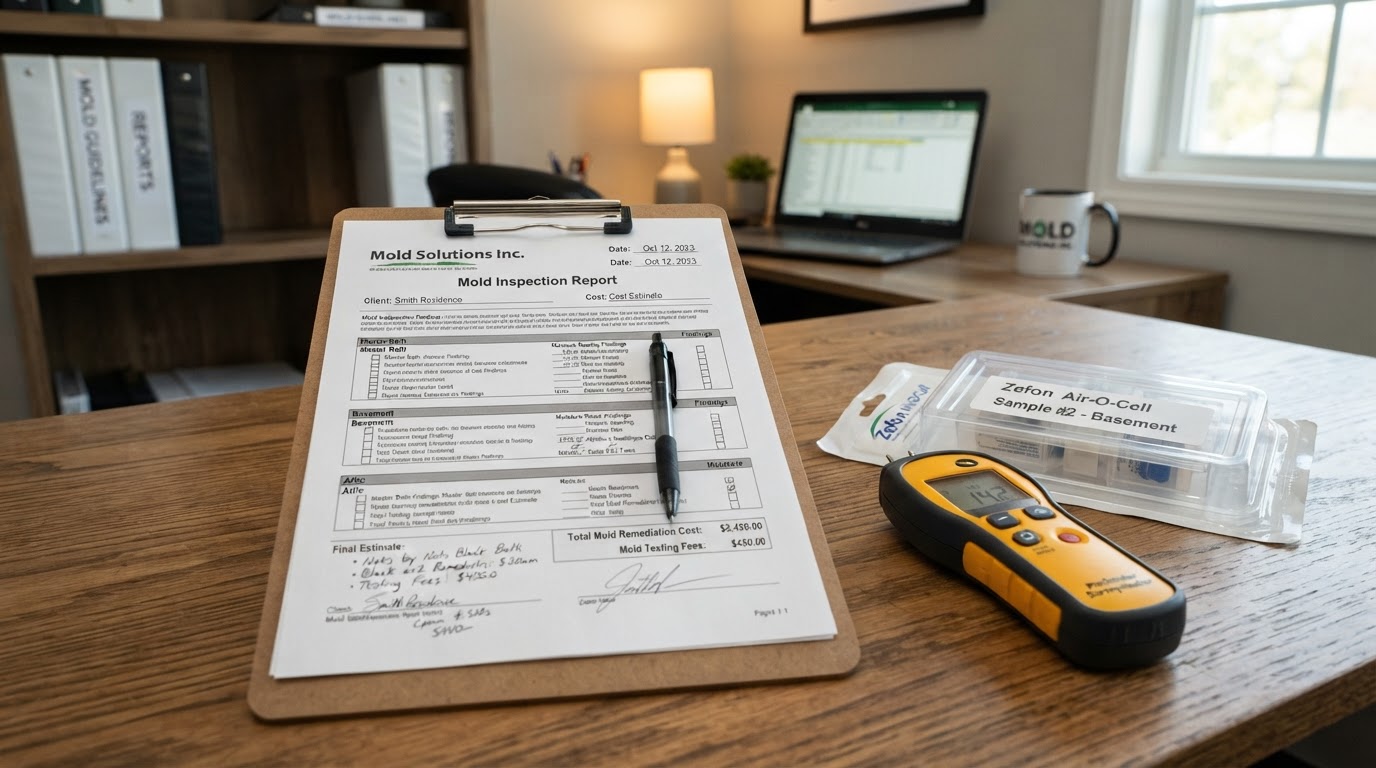
Cost & Timing
How Much Does Mold Testing Cost in Maryland?
Mold testing prices vary based on the scope of the inspection and the size of your home. Here is what influences the cost across Maryland and the DC region.
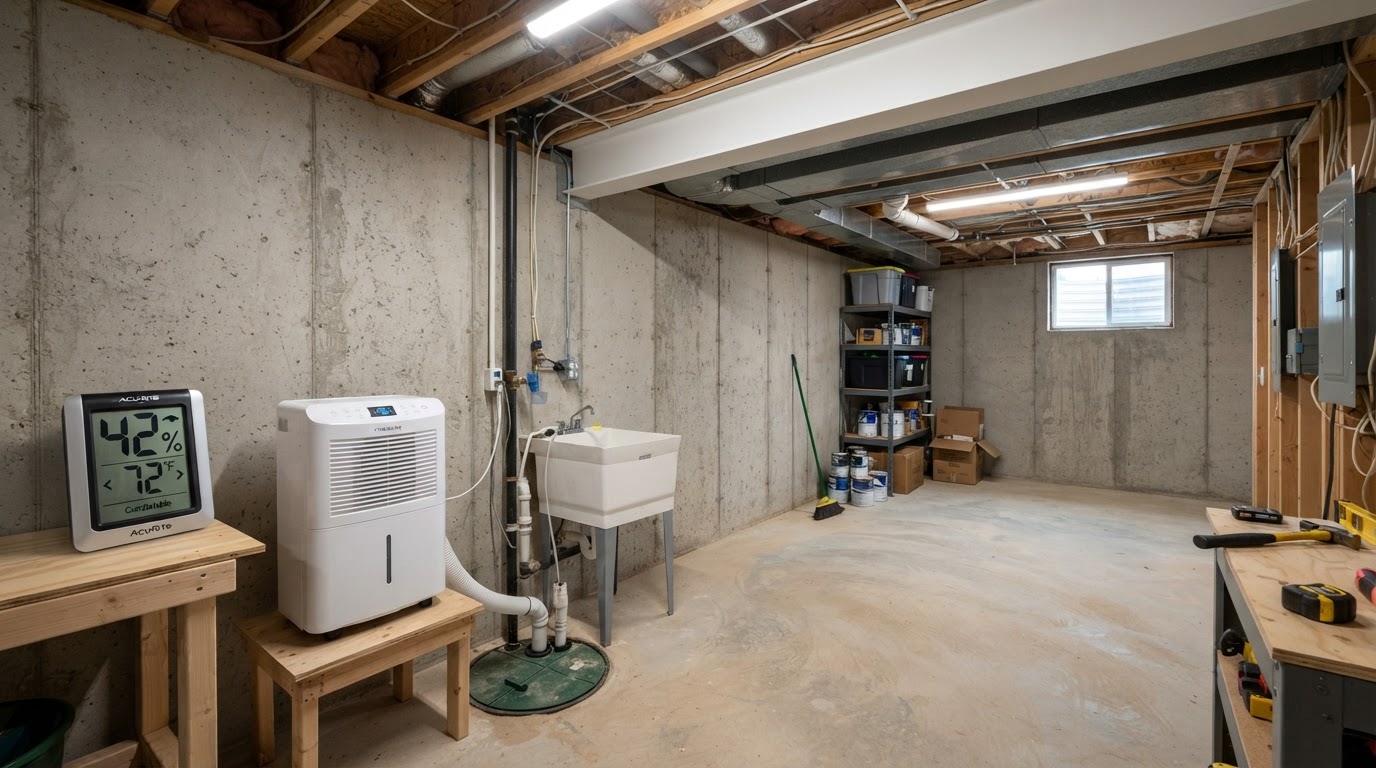
Moisture & Humidity
How to Prevent Mold in Maryland Basements
Basements are the most mold-prone room in a Mid-Atlantic home. Here is how to keep yours dry, ventilated, and mold-free year-round.
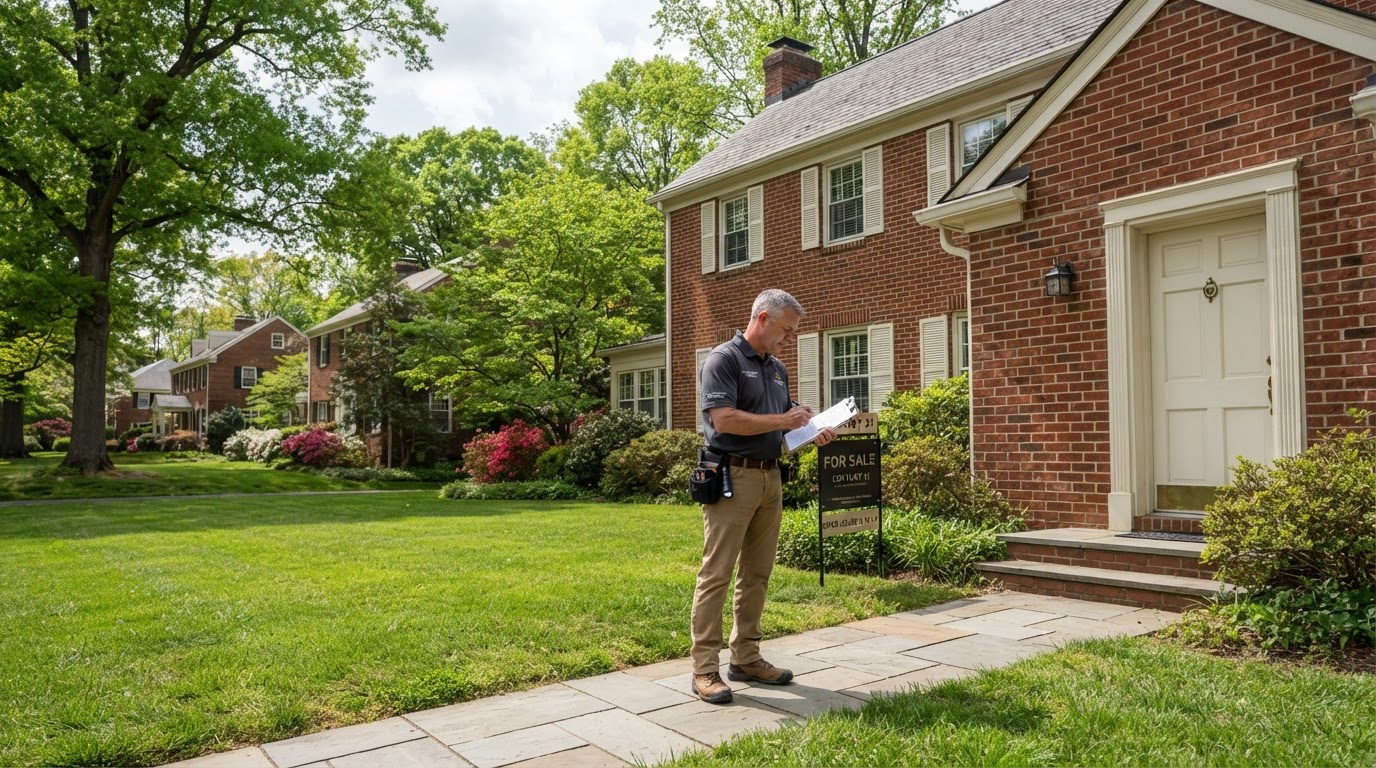
Testing & Inspection
Buying a Home in Maryland? Why Mold Testing Matters
Before you close on a Maryland home, a mold inspection can reveal hidden moisture issues that a standard home inspection might miss.


Service areas we cover
MD Mold Testing serves Rockville, Bethesda, Silver Spring & Baltimore, MD and communities across Maryland, Washington D.C., Northern Virginia, and Delaware.
Not ready to schedule? Get our free guide.
Download The Ultimate Guide to a Mold-Free, Healthy Maryland Home and subscribe to the Maryland Healthy Home Newsletter for weekly homeowner tips.
MD Mold Testing
For professional residential mold testing in Rockville, Bethesda, Silver Spring & Baltimore, MD and across Maryland, Washington D.C., Northern Virginia, and Delaware, our featured local provider is MD Mold Testing. Best Mold Testing Maryland is an independent educational resource — we do not perform inspections ourselves.