Surface Mold Sampling in Maryland & the Greater D.C. Region
Tape-lift and swab samples taken directly from visible growth to identify the specific mold type — the right choice when you can see the spot.
What is surface mold sampling?
Surface sampling is the right choice when you can already see the growth. A tape-lift or swab collects material directly from the visible spot, and the lab identifies exactly what it is. While air sampling measures what is airborne, surface sampling tells you the identity of the mold in front of you — which matters for deciding how carefully it needs to be handled.
Why is surface mold sampling important?
In a humid Mid-Atlantic climate, surface growth often appears as discoloration or speckling around AC vents, sinks, window frames, and in grout lines where condensation collects. It can look like ordinary dirt or mildew. Surface sampling confirms whether that speckling is mold, what type, and whether it warrants professional remediation or simple cleaning. In Maryland homes with basements and bathrooms, surface growth in poorly vented areas is common and worth identifying before it spreads.
Featured Local Provider
Schedule surface mold sampling with MD Mold Testing
Serving Silver Spring, Bethesda & Rockville, MD and the greater Mid-Atlantic region.
Warning signs to watch for
- Visible speckling or discoloration around vents, sinks, or windows
- A spot that returns after you clean it
- Discoloration on a surface that stayed damp
- Growth on grout, caulk, or drywall in a humid room like a bathroom or basement
When should you schedule this service?
- You can see growth and want to know what it is
- A spot keeps returning after cleaning
- You need to document the type of mold before remediation
- You want to confirm whether a stain is mold or something else
What does professional testing involve?
Here's how MD Mold Testing typically approaches surface mold sampling across Silver Spring, Bethesda & Rockville, MD.
Visual identification
The inspector locates visible growth and assesses whether surface sampling is the right method for the situation.
Sample collection
A tape-lift or swab collects material directly from the affected surface, labeled by location.
Lab analysis
The independent lab identifies the specific mold type or types present on the sample.
Identification report
The report names the mold, explains what it typically means, and recommends whether remediation or cleaning is appropriate.
Surface sampling is fast and targeted. Because the sample is taken directly from visible growth, the result is a clear identification rather than a concentration estimate. It answers 'what is this?' precisely.
Surface sampling is appropriate when growth is visible, when a spot returns after cleaning, to document mold type before remediation, and to confirm whether a stain is actually mold. It is the complement to air sampling, which is better for hidden sources.
What can testing results tell you?
Surface sampling is fast and targeted. Because the sample is taken directly from visible growth, the result is a clear identification rather than a concentration estimate. It answers 'what is this?' precisely.
Featured Local Provider
Schedule surface mold sampling with MD Mold Testing
Serving Silver Spring, Bethesda & Rockville, MD and the greater Mid-Atlantic region.
Surface sampling is appropriate when growth is visible, when a spot returns after cleaning, to document mold type before remediation, and to confirm whether a stain is actually mold. It is the complement to air sampling, which is better for hidden sources.
Surface sampling is appropriate when growth is visible, when a spot returns after cleaning, to document mold type before remediation, and to confirm whether a stain is actually mold. It is the complement to air sampling, which is better for hidden sources.
Why surface mold sampling matters in the Mid-Atlantic
Condensation around AC supply registers is a common surface-growth location in humid Maryland homes.
Speckling near sinks and window frames often follows minor condensation, not a major leak.
Surface growth in poorly vented basements and bathrooms is common in older Mid-Atlantic homes.
A local, independent testing specialist
Surface sampling is fast and targeted. Because the sample is taken directly from visible growth, the result is a clear identification rather than a concentration estimate. It answers 'what is this?' precisely.
Frequently asked questions about surface mold sampling
When should I choose surface sampling over air sampling?+
Choose surface sampling when you can see the growth and want to know what it is. Choose air sampling when there is a musty smell or symptoms but nothing visible. The two answer different questions and are often used together.
Can I just clean visible mold myself?+
Small spots on non-porous surfaces can sometimes be cleaned. But if growth returns, spreads, or is on porous material like drywall, identifying the type with a surface sample and considering professional remediation is prudent. Cleaning without addressing the moisture source guarantees it will return.
Does surface sampling tell me how much mold there is?+
Surface sampling identifies the type of mold present, not an airborne concentration. For a sense of how much is airborne, air sampling with an outdoor baseline is the right method.
Related questions from our knowledge base
What exactly is mold?
Mold is a type of fungus that grows from microscopic spores present in virtually all indoor and outdoor air. When spores land on a surface w
Read full answerHow does mold grow inside a home?
Mold needs three things to grow: moisture, a food source, and a suitable temperature. Indoors, moisture comes from leaks, condensation, high
Read full answerIs all mold dangerous?
Not all mold is dangerous to everyone, but no mold should be allowed to grow indoors. The CDC and EPA emphasize that the type of mold matter
Read full answerWhat types of mold are common in Maryland homes?
Common indoor molds include Aspergillus, Penicillium, Cladosporium, and Stachybotrys (often called 'black mold'). In Maryland's humid climat
Read full answerWhat is the difference between mold and mildew?
Mildew is actually a type of mold that typically grows flat on surfaces, often in bathrooms or on damp fabrics, and is usually white, gray,
Read full answerWill mold go away on its own?
Mold will not go away on its own as long as the moisture source remains. If you dry out a damp area, visible mold may stop actively growing,
Read full answerFeatured Local Provider
Schedule surface mold sampling with MD Mold Testing
Serving Silver Spring, Bethesda & Rockville, MD and the greater Mid-Atlantic region.
Related educational articles
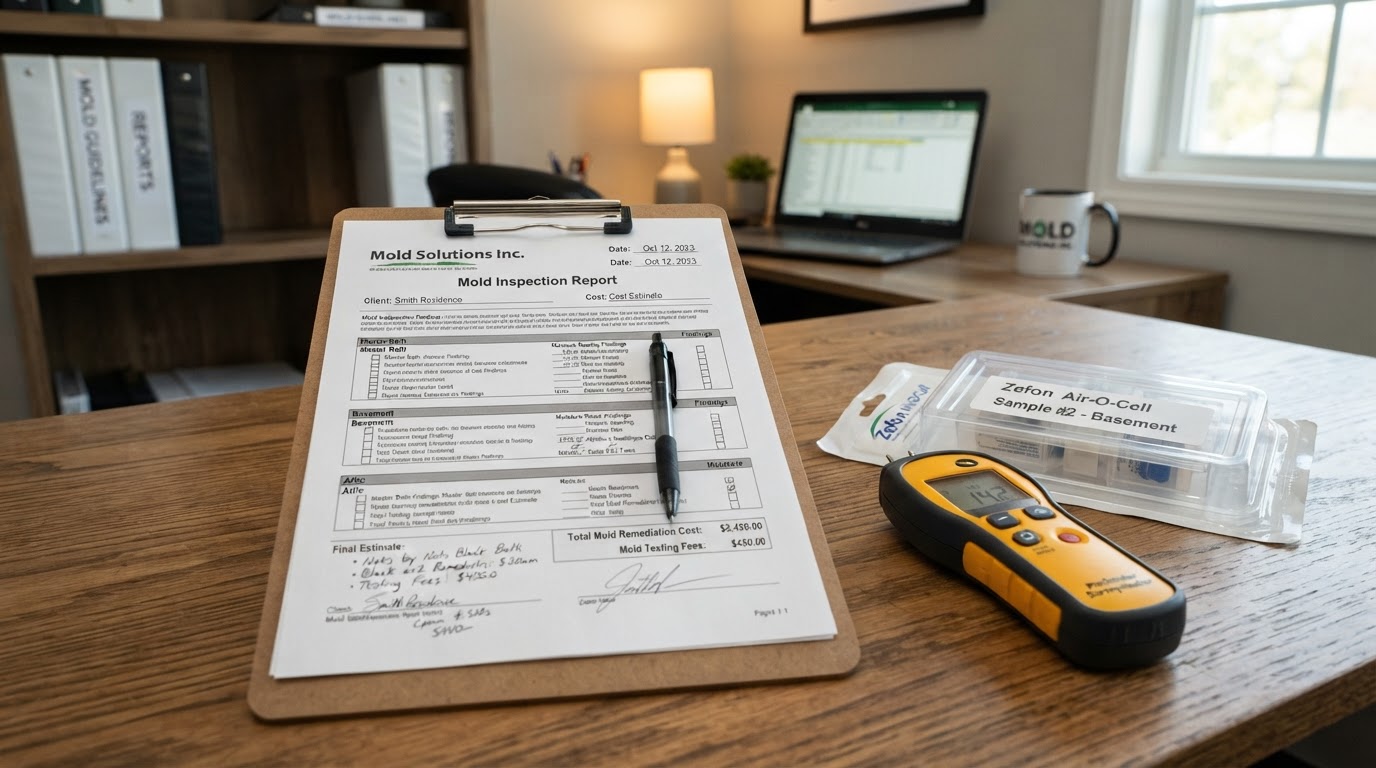
Cost & Timing
How Much Does Mold Testing Cost in Maryland?
Mold testing prices vary based on the scope of the inspection and the size of your home. Here is what influences the cost across Maryland and the DC region.
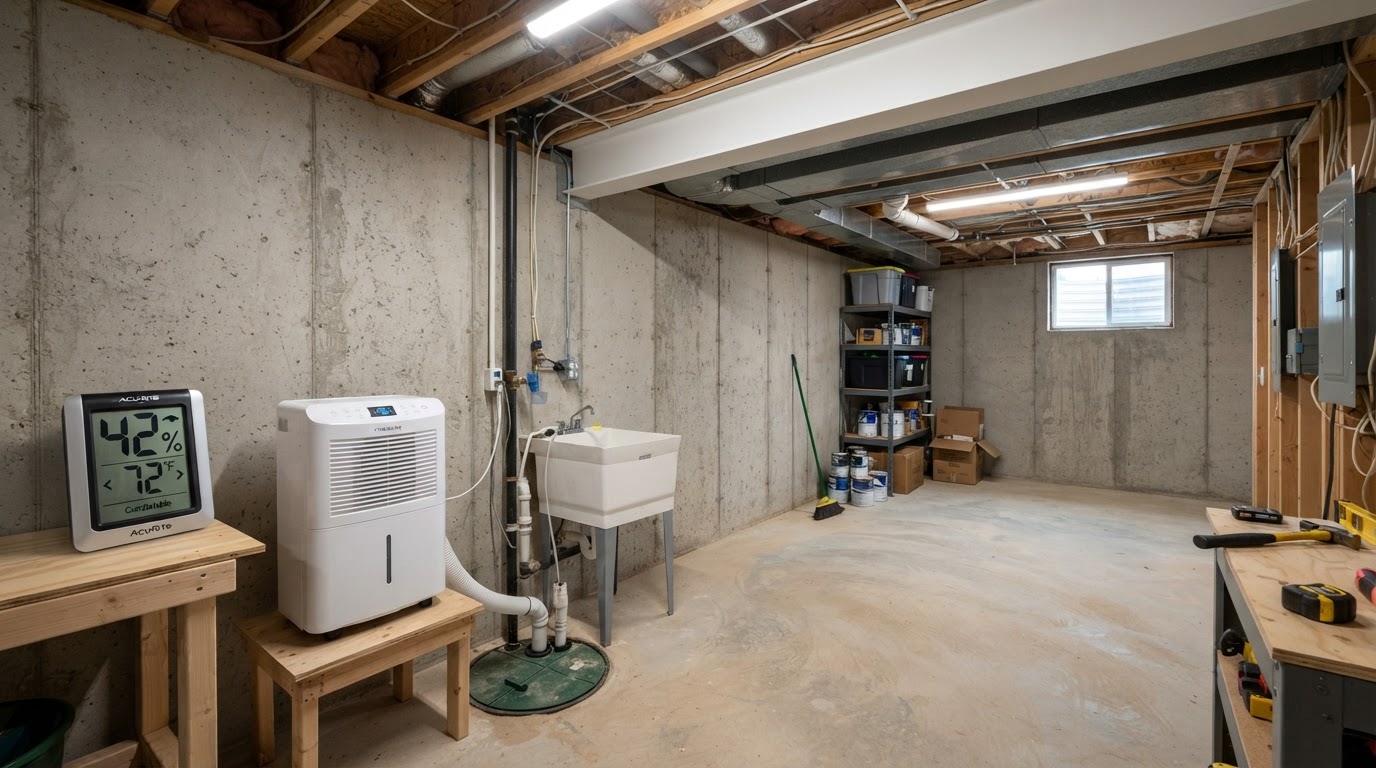
Moisture & Humidity
How to Prevent Mold in Maryland Basements
Basements are the most mold-prone room in a Mid-Atlantic home. Here is how to keep yours dry, ventilated, and mold-free year-round.
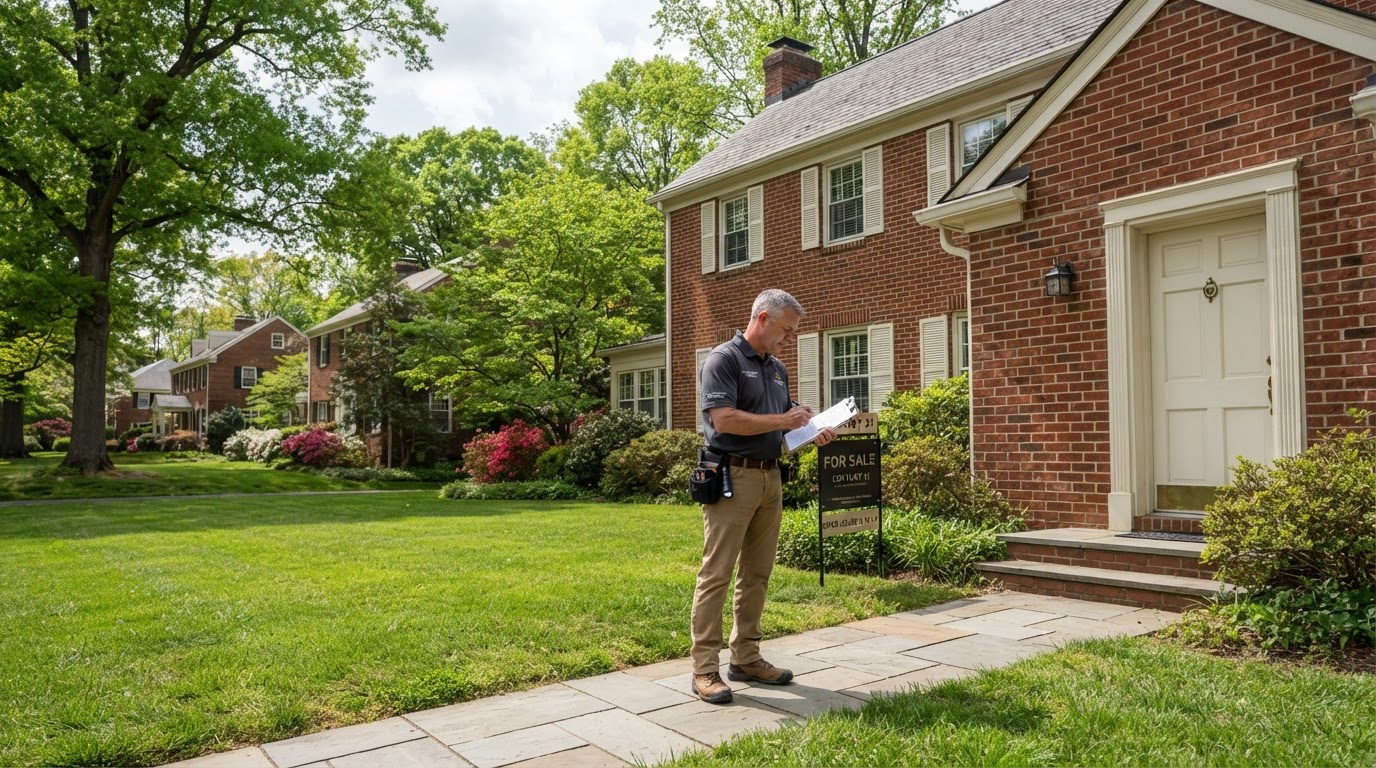
Testing & Inspection
Buying a Home in Maryland? Why Mold Testing Matters
Before you close on a Maryland home, a mold inspection can reveal hidden moisture issues that a standard home inspection might miss.


Service areas we cover
MD Mold Testing serves Silver Spring, Bethesda & Rockville, MD and communities across Maryland, Washington D.C., Northern Virginia, and Delaware.
Not ready to schedule? Get our free guide.
Download The Ultimate Guide to a Mold-Free, Healthy Maryland Home and subscribe to the Maryland Healthy Home Newsletter for weekly homeowner tips.
MD Mold Testing
For professional surface mold sampling in Silver Spring, Bethesda & Rockville, MD and across Maryland, Washington D.C., Northern Virginia, and Delaware, our featured local provider is MD Mold Testing. Best Mold Testing Maryland is an independent educational resource — we do not perform inspections ourselves.