Commercial Mold Testing in Maryland & the Greater D.C. Region
Mold testing for offices, retail, and multi-tenant buildings across the Maryland and D.C. metro — protecting occupants, tenants, and liability after a leak or complaint.
What is commercial mold testing?
Commercial buildings face a different mold risk profile than homes. Larger HVAC systems, shared plumbing, flat roofs, and high occupant counts mean a single hidden leak can affect many people and carry real liability. Commercial mold testing provides the lab-verified documentation a property manager or business owner needs to respond to a complaint, confirm a repair, or satisfy an insurer — not just an opinion. MD Mold Testing serves commercial properties throughout Maryland, Washington D.C., Northern Virginia, and Delaware.
Why is commercial mold testing important?
Commercial buildings across the Maryland and D.C. metro run large rooftop or central HVAC systems almost continuously through humid summers. Clogged condensate drains, flat-roof ponding after heavy thunderstorms, and shared plumbing stacks in multi-tenant properties are the most common hidden-moisture sources. The region's summer humidity means indoor moisture loads are higher than in arid climates, and the organic materials inside ductwork and wall cavities stay damp longer. Commercial testing here accounts for the larger footprint, the shared infrastructure, and the humid climate that makes every leak a potential mold event.
Featured Local Provider
Schedule commercial mold testing with MD Mold Testing
Serving Baltimore, Rockville & Washington, D.C. and the greater Mid-Atlantic region.
Warning signs to watch for
- Tenant or employee complaints of musty odors or indoor discomfort
- Stains on ceiling tiles, especially near rooftop or central HVAC units
- Recurring moisture around HVAC diffusers and supply registers
- Water ponding on a flat roof or near foundation drains after storms
- An unexplained spike in HVAC-related service calls or tenant complaints
When should you schedule this service?
- An employee or tenant reported a musty smell or respiratory symptoms
- A roof or plumbing leak affected occupied commercial space
- You are turning over a suite and want a clean environmental baseline
- An insurer, lease, or compliance requirement needs documentation of indoor conditions
What does professional testing involve?
Here's how MD Mold Testing typically approaches commercial mold testing across Baltimore, Rockville & Washington, D.C..
Scope & occupancy review
We review the building layout, HVAC zones, recent leaks, and any occupant complaints to plan representative sampling locations across the property.
HVAC & moisture assessment
Rooftop units, condensate lines, and suspect ceiling and wall areas are inspected with moisture meters and thermal imaging.
Representative sampling
Air and surface samples are collected across affected and reference zones so results reflect the whole space, not one corner.
Documented report
A written report with lab results and clear guidance supports your response to occupants, tenants, insurers, or regulators.
Sampling scope scales with building size and the number of HVAC zones. A report compares indoor levels to an outdoor baseline and flags any zone that is elevated, so you can target remediation precisely rather than treating an entire building. The report is written to be understood by property managers, tenants, and insurers alike.
Commercial testing is appropriate after a confirmed leak affecting occupied space, in response to occupant complaints, before and after tenant turnover, and whenever documentation of indoor environmental conditions is required for lease, insurance, or liability purposes.
What can testing results tell you?
Sampling scope scales with building size and the number of HVAC zones. A report compares indoor levels to an outdoor baseline and flags any zone that is elevated, so you can target remediation precisely rather than treating an entire building. The report is written to be understood by property managers, tenants, and insurers alike.
Featured Local Provider
Schedule commercial mold testing with MD Mold Testing
Serving Baltimore, Rockville & Washington, D.C. and the greater Mid-Atlantic region.
Commercial testing is appropriate after a confirmed leak affecting occupied space, in response to occupant complaints, before and after tenant turnover, and whenever documentation of indoor environmental conditions is required for lease, insurance, or liability purposes.
Commercial testing is appropriate after a confirmed leak affecting occupied space, in response to occupant complaints, before and after tenant turnover, and whenever documentation of indoor environmental conditions is required for lease, insurance, or liability purposes.
Why commercial mold testing matters in the Mid-Atlantic
Maryland's humid summers increase condensation loads on large commercial HVAC systems and their drain lines.
Flat commercial roofs in the D.C. and Baltimore metros are vulnerable to ponding after heavy summer thunderstorms.
Multi-tenant buildings share plumbing stacks, so a leak on one floor can wet ceilings on the floor below.
A local, independent testing specialist
Sampling scope scales with building size and the number of HVAC zones. A report compares indoor levels to an outdoor baseline and flags any zone that is elevated, so you can target remediation precisely rather than treating an entire building. The report is written to be understood by property managers, tenants, and insurers alike.
Frequently asked questions about commercial mold testing
How is commercial testing different from residential?+
The lab methods are similar, but commercial work involves larger HVAC systems, multiple zones, shared plumbing, and higher occupant counts. Sampling is planned to represent the whole space, and the report is written to support documentation for tenants, insurers, and regulators.
We had a rooftop unit leak. Should we test?+
If condensate or a roof leak wet ceiling tiles, insulation, or ductwork in occupied space, testing can confirm whether mold established before the area was dried. Documenting conditions also helps with any insurance claim and protects you against future tenant complaints.
Can testing help with tenant complaints?+
Yes. A lab-verified report either confirms an elevated indoor source — pointing to a fix — or shows levels are normal, which can reassure occupants and defuse a dispute with objective evidence rather than opinion.
Related questions from our knowledge base
What exactly is mold?
Mold is a type of fungus that grows from microscopic spores present in virtually all indoor and outdoor air. When spores land on a surface w
Read full answerHow does mold grow inside a home?
Mold needs three things to grow: moisture, a food source, and a suitable temperature. Indoors, moisture comes from leaks, condensation, high
Read full answerIs all mold dangerous?
Not all mold is dangerous to everyone, but no mold should be allowed to grow indoors. The CDC and EPA emphasize that the type of mold matter
Read full answerWhat types of mold are common in Maryland homes?
Common indoor molds include Aspergillus, Penicillium, Cladosporium, and Stachybotrys (often called 'black mold'). In Maryland's humid climat
Read full answerWhat is the difference between mold and mildew?
Mildew is actually a type of mold that typically grows flat on surfaces, often in bathrooms or on damp fabrics, and is usually white, gray,
Read full answerWill mold go away on its own?
Mold will not go away on its own as long as the moisture source remains. If you dry out a damp area, visible mold may stop actively growing,
Read full answerFeatured Local Provider
Schedule commercial mold testing with MD Mold Testing
Serving Baltimore, Rockville & Washington, D.C. and the greater Mid-Atlantic region.
Related educational articles
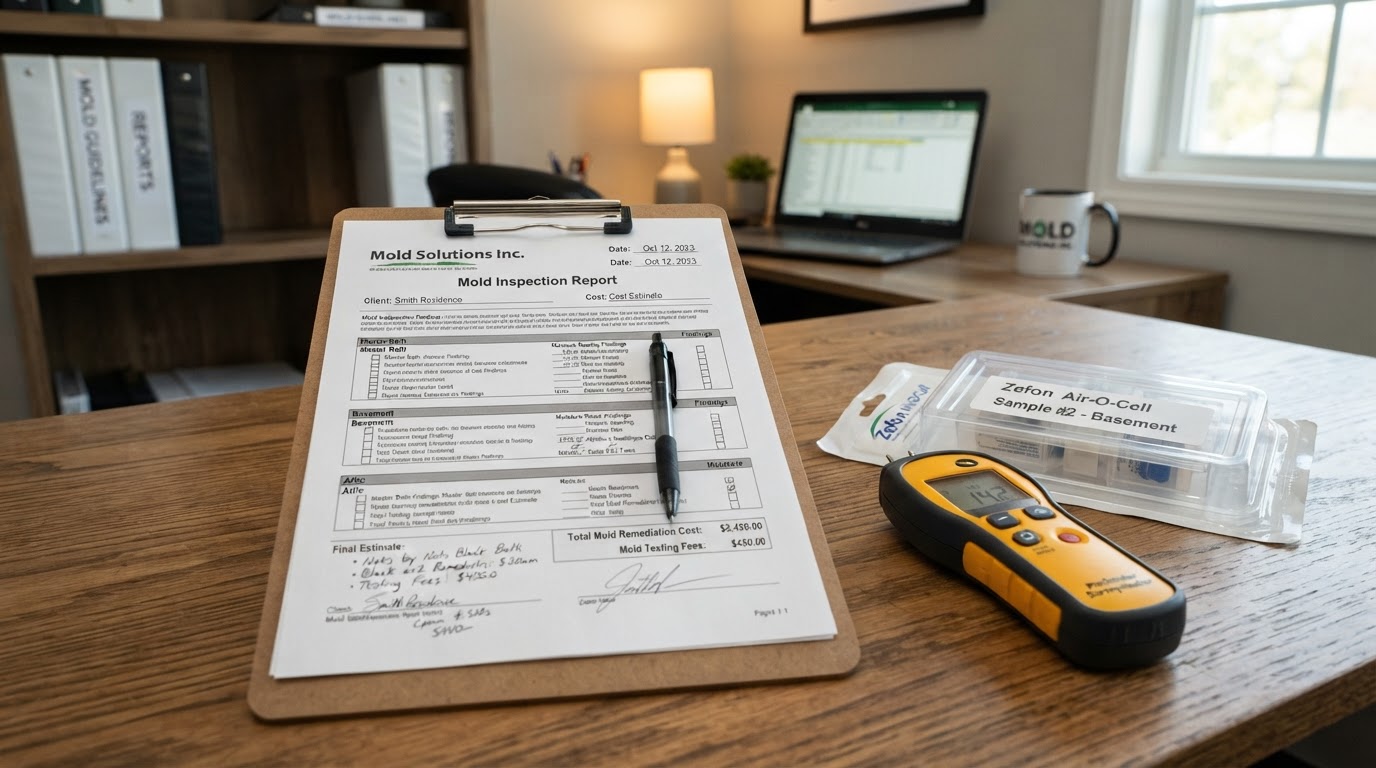
Cost & Timing
How Much Does Mold Testing Cost in Maryland?
Mold testing prices vary based on the scope of the inspection and the size of your home. Here is what influences the cost across Maryland and the DC region.
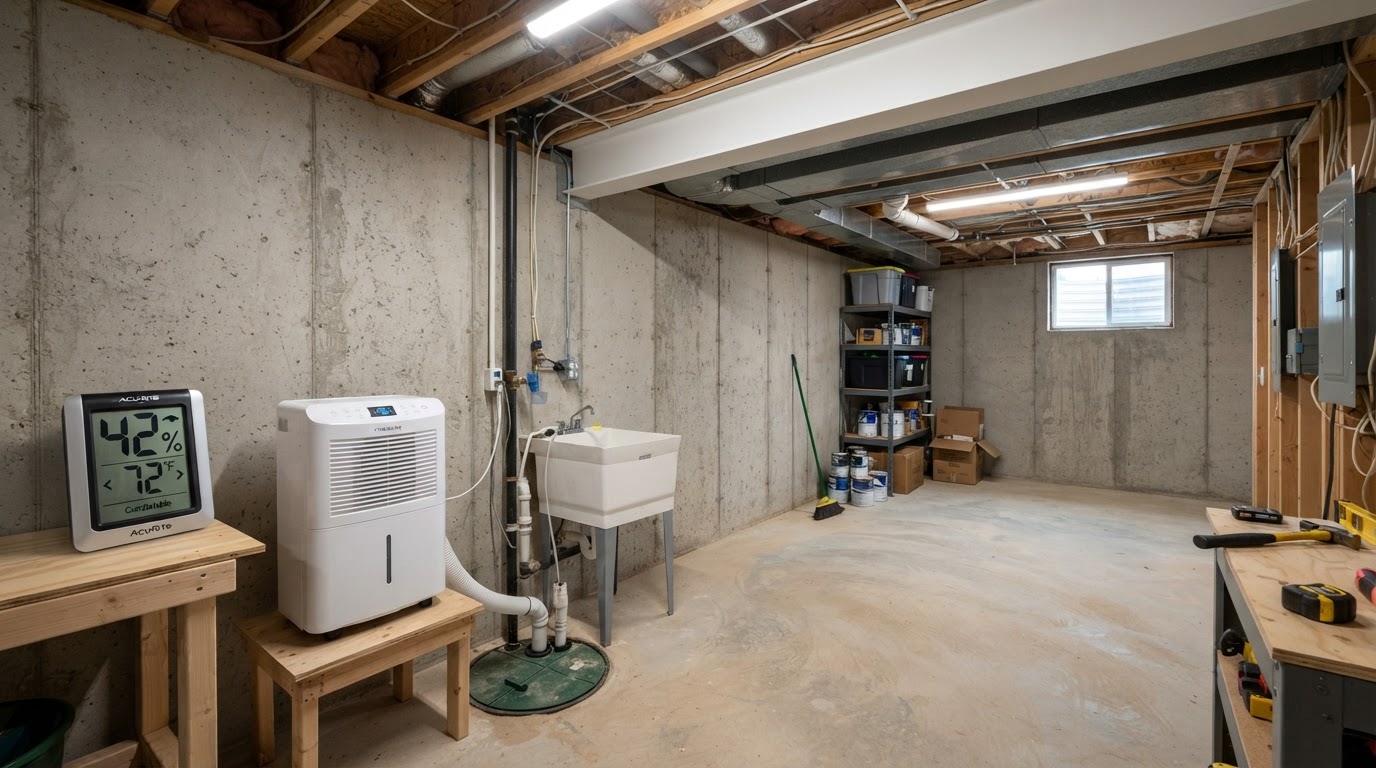
Moisture & Humidity
How to Prevent Mold in Maryland Basements
Basements are the most mold-prone room in a Mid-Atlantic home. Here is how to keep yours dry, ventilated, and mold-free year-round.
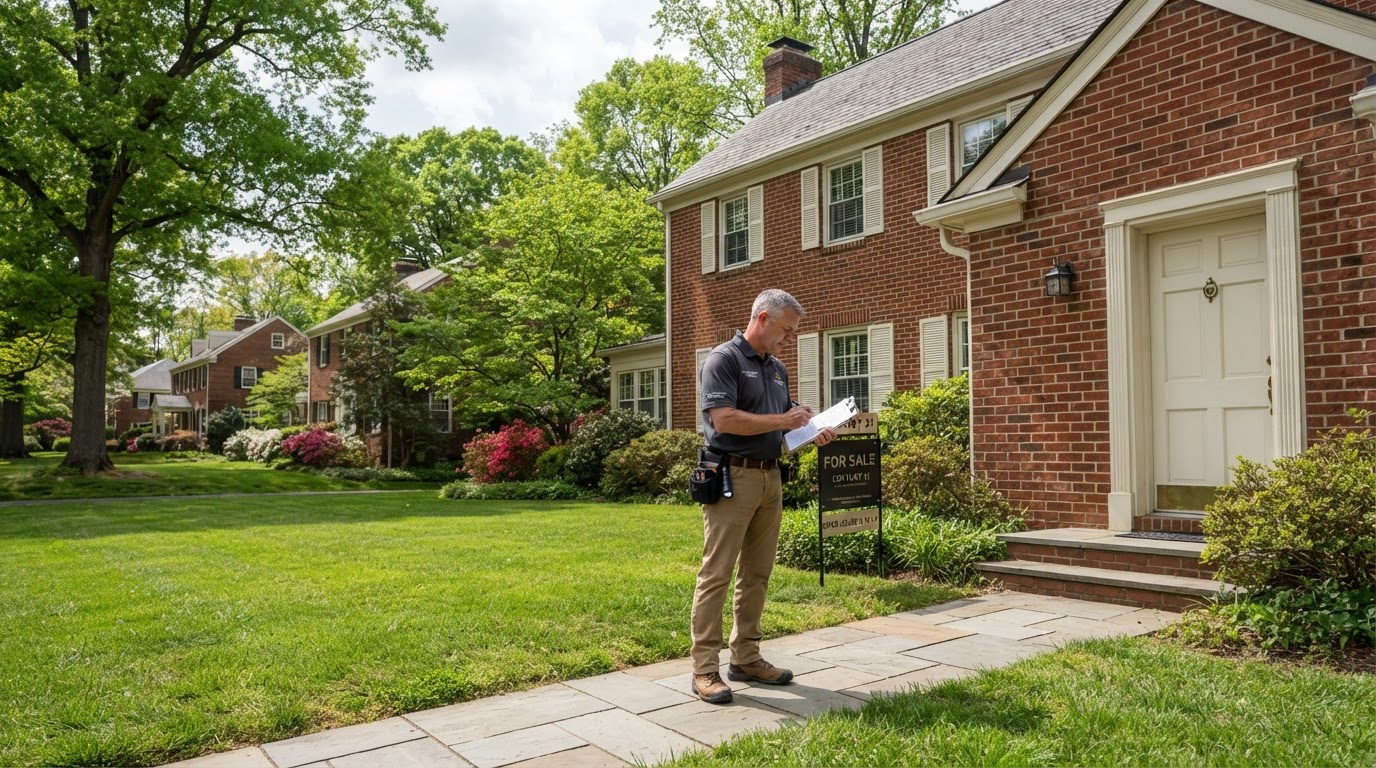
Testing & Inspection
Buying a Home in Maryland? Why Mold Testing Matters
Before you close on a Maryland home, a mold inspection can reveal hidden moisture issues that a standard home inspection might miss.


Service areas we cover
MD Mold Testing serves Baltimore, Rockville & Washington, D.C. and communities across Maryland, Washington D.C., Northern Virginia, and Delaware.
Not ready to schedule? Get our free guide.
Download The Ultimate Guide to a Mold-Free, Healthy Maryland Home and subscribe to the Maryland Healthy Home Newsletter for weekly homeowner tips.
MD Mold Testing
For professional commercial mold testing in Baltimore, Rockville & Washington, D.C. and across Maryland, Washington D.C., Northern Virginia, and Delaware, our featured local provider is MD Mold Testing. Best Mold Testing Maryland is an independent educational resource — we do not perform inspections ourselves.