Mold Testing After Plumbing Leaks in Maryland & the D.C. Region
Testing after a slow or hidden plumbing leak — behind a wall, under a cabinet, or in a crawl space — to confirm whether mold began in the wetted cavity.
What is mold testing after plumbing leaks?
The smallest plumbing leaks are the most dangerous. A tiny weep at a fitting under a sink can keep a cabinet floor damp for months without ever dripping onto the floor where you would notice. A pinhole in a supply line can wet insulation and drywall invisibly for weeks. Testing after a plumbing leak confirms whether mold began in the cavity the leak was feeding — the place you cannot see.
Why is mold testing after plumbing leaks important?
Many homes across Maryland, D.C., and Northern Virginia have older plumbing. Mineral buildup, aging supply lines, and original galvanized or copper pipes are common in the region's older housing stock — from Baltimore rowhouses to mid-century Bethesda ramblers. Slab and basement construction runs supply lines under concrete where a pinhole leak wicks moisture into walls invisibly. Cold winter temperatures can also freeze and split exposed pipes, adding a seasonal burst-leak risk. Testing after a plumbing leak here accounts for the region's aging infrastructure.
Featured Local Provider
Schedule mold testing after plumbing leaks with MD Mold Testing
Serving Rockville, Bethesda & Silver Spring, MD and the greater Mid-Atlantic region.
Warning signs to watch for
- A persistent musty smell under a sink or near a wall
- A warm, damp, or soft spot on a wall or floor
- An unexplained increase in your water bill
- Discoloration or bubbling at a baseboard
- A slow leak that was repaired but the cavity was never dried
When should you schedule this service?
- A supply line, ice-maker line, or appliance hose failed
- A slab or under-floor leak wet surrounding walls
- A slow leak behind a wall ran for weeks before discovery
- A water heater leaked into an adjacent wall or closet
What does professional testing involve?
Here's how MD Mold Testing typically approaches mold testing after plumbing leaks across Rockville, Bethesda & Silver Spring, MD.
Leak history
We discuss where the leak was, how long it likely ran, and what was wet, to gauge how much hidden moisture may remain.
Moisture inspection
Moisture meters and thermal imaging check the wall, floor, and cabinet around the repaired leak for residual dampness.
Cavity-focused sampling
Air and surface samples target the cavity the leak fed to detect any growth that started before drying.
Confirmation report
The report confirms whether the area is dry and whether mold began, so you know whether remediation is needed.
Plumbing-leak testing focuses on the cavity the leak was feeding — behind a wall, under a cabinet, or above a slab. Moisture readings confirm whether residual dampness remains; sampling confirms whether growth started in the days the cavity stayed wet.
Testing is appropriate after any plumbing leak that wet building materials, especially slow or hidden leaks that ran for more than a day, and after slab leaks that wicked into walls. The faster the cavity dries, the lower the risk — but testing confirms the outcome rather than assuming it.
What can testing results tell you?
Plumbing-leak testing focuses on the cavity the leak was feeding — behind a wall, under a cabinet, or above a slab. Moisture readings confirm whether residual dampness remains; sampling confirms whether growth started in the days the cavity stayed wet.
Featured Local Provider
Schedule mold testing after plumbing leaks with MD Mold Testing
Serving Rockville, Bethesda & Silver Spring, MD and the greater Mid-Atlantic region.
Testing is appropriate after any plumbing leak that wet building materials, especially slow or hidden leaks that ran for more than a day, and after slab leaks that wicked into walls. The faster the cavity dries, the lower the risk — but testing confirms the outcome rather than assuming it.
Testing is appropriate after any plumbing leak that wet building materials, especially slow or hidden leaks that ran for more than a day, and after slab leaks that wicked into walls. The faster the cavity dries, the lower the risk — but testing confirms the outcome rather than assuming it.
Why mold testing after plumbing leaks matters in the Mid-Atlantic
Older plumbing in Baltimore, D.C., and Northern Virginia homes increases the risk of slow, hidden leaks.
Slab and basement construction runs supply lines under concrete where pinhole leaks wick moisture into walls.
Winter freezes can split exposed pipes, adding a seasonal burst-leak risk.
A local, independent testing specialist
Plumbing-leak testing focuses on the cavity the leak was feeding — behind a wall, under a cabinet, or above a slab. Moisture readings confirm whether residual dampness remains; sampling confirms whether growth started in the days the cavity stayed wet.
Frequently asked questions about mold testing after plumbing leaks
The leak was small and I dried it myself. Should I still test?+
A small surface leak you fully dried may be fine. But if the leak was behind a wall, under a cabinet, or under a slab, the cavity may still hold moisture. Testing confirms whether it dried and whether any growth started.
How soon after a plumbing leak should I test?+
If a leak wet any drywall, cabinetry, or insulation for more than a day, testing within a few days of drying can determine whether mold established. The faster materials dry, the lower the risk.
My water bill spiked. Could that be a hidden leak?+
An unexplained increase in your water bill can indicate a slow, hidden leak. If you suspect a leak behind a wall or under a slab, a moisture inspection can locate it before it grows mold.
Related questions from our knowledge base
What exactly is mold?
Mold is a type of fungus that grows from microscopic spores present in virtually all indoor and outdoor air. When spores land on a surface w
Read full answerHow does mold grow inside a home?
Mold needs three things to grow: moisture, a food source, and a suitable temperature. Indoors, moisture comes from leaks, condensation, high
Read full answerIs all mold dangerous?
Not all mold is dangerous to everyone, but no mold should be allowed to grow indoors. The CDC and EPA emphasize that the type of mold matter
Read full answerWhat types of mold are common in Maryland homes?
Common indoor molds include Aspergillus, Penicillium, Cladosporium, and Stachybotrys (often called 'black mold'). In Maryland's humid climat
Read full answerWhat is the difference between mold and mildew?
Mildew is actually a type of mold that typically grows flat on surfaces, often in bathrooms or on damp fabrics, and is usually white, gray,
Read full answerWill mold go away on its own?
Mold will not go away on its own as long as the moisture source remains. If you dry out a damp area, visible mold may stop actively growing,
Read full answerFeatured Local Provider
Schedule mold testing after plumbing leaks with MD Mold Testing
Serving Rockville, Bethesda & Silver Spring, MD and the greater Mid-Atlantic region.
Related educational articles

Cost & Timing
How Much Does Mold Testing Cost in Maryland?
Mold testing prices vary based on the scope of the inspection and the size of your home. Here is what influences the cost across Maryland and the DC region.
Moisture & Humidity
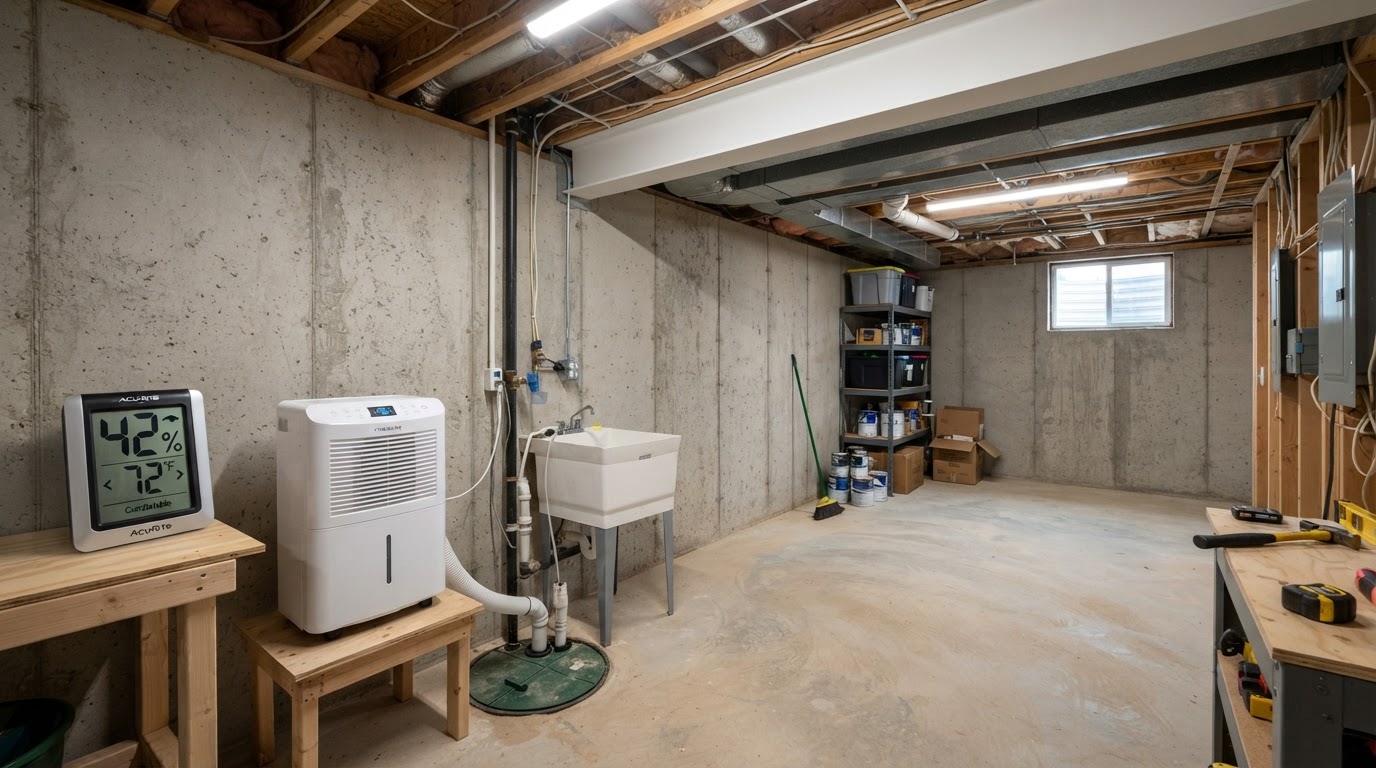
How to Prevent Mold in Maryland Basements
Basements are the most mold-prone room in a Mid-Atlantic home. Here is how to keep yours dry, ventilated, and mold-free year-round.
Testing & Inspection
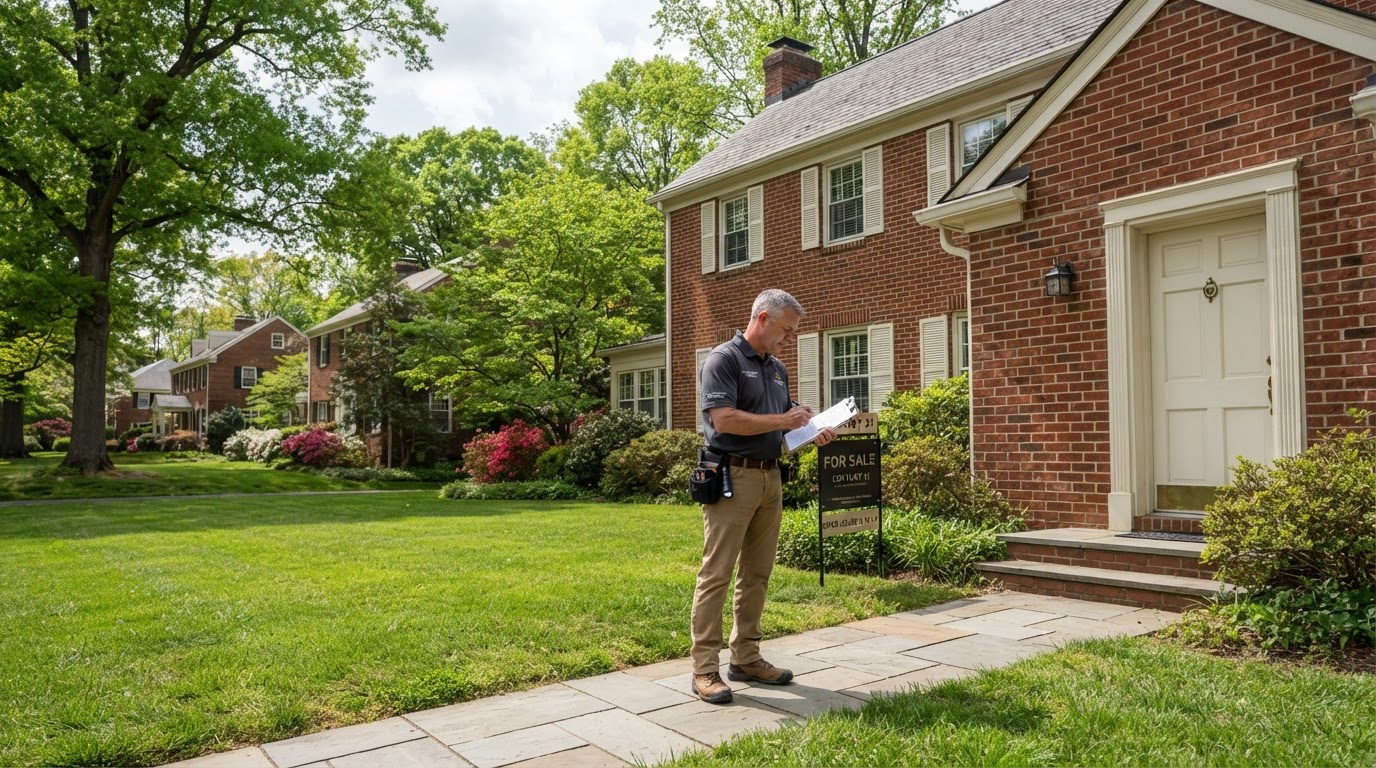
Buying a Home in Maryland? Why Mold Testing Matters
Before you close on a Maryland home, a mold inspection can reveal hidden moisture issues that a standard home inspection might miss.


Service areas we cover
MD Mold Testing serves Rockville, Bethesda & Silver Spring, MD and communities across Maryland, Washington D.C., Northern Virginia, and Delaware.
Not ready to schedule? Get our free guide.
Download The Ultimate Guide to a Mold-Free, Healthy Maryland Home and subscribe to the Maryland Healthy Home Newsletter for weekly homeowner tips.
MD Mold Testing
For professional mold testing after plumbing leaks in Rockville, Bethesda & Silver Spring, MD and across Maryland, Washington D.C., Northern Virginia, and Delaware, our featured local provider is MD Mold Testing. Best Mold Testing Maryland is an independent educational resource — we do not perform inspections ourselves.