Radon Testing in Maryland & the Greater D.C. Region
Radon testing — measuring the invisible, odorless radioactive gas that is the second leading cause of lung cancer and is common in Maryland and Northern Virginia homes.
What is radon testing?
Radon is a naturally occurring radioactive gas that is invisible, odorless, and tasteless — you cannot detect it without testing. It forms from the breakdown of uranium in soil and rock and enters homes through foundation cracks and openings. Radon is the second leading cause of lung cancer after smoking. Maryland, Northern Virginia, and parts of D.C. and Delaware have geology that produces elevated radon levels in many homes. Testing is the only way to know your home's radon level. MD Mold Testing provides radon testing throughout Maryland, Washington D.C., Northern Virginia, and Delaware.
Radon testing is the measurement of radon gas levels in a home. Radon is a naturally occurring radioactive gas formed from the breakdown of uranium in soil, rock, and water. It is invisible, odorless, and tasteless — undetectable by human senses. Radon enters homes from the soil below through foundation cracks, construction joints, gaps around service pipes, and other openings, and it can accumulate to elevated levels indoors, especially in the lowest levels of the home. Long-term exposure to elevated radon is the second leading cause of lung cancer after smoking. Testing uses a radon detector placed in the lowest livable level of the home under closed-house conditions. Short-term tests (2–7 days) provide a quick result; long-term tests (90+ days) provide a more representative annual average. The detector is analyzed by an accredited laboratory to determine the radon concentration in picocuries per liter of air (pCi/L). The EPA action level is 4.0 pCi/L — at or above this level, mitigation is recommended; between 2.0 and 4.0 pCi/L, consideration of mitigation is advised. MD Mold Testing places the detector and provides the report; the accredited lab performs the analysis.
Why is radon testing important?
Maryland and Northern Virginia have geology — particularly the Piedmont and Appalachian regions — that produces elevated radon levels in many homes. Rockville, Bethesda, Silver Spring, and much of Northern Virginia are in radon-prone zones. The EPA recommends all homes be tested for radon, and in the Mid-Atlantic, where elevated radon is common, testing is especially important for homebuyers and homeowners.
Radon is a serious health hazard that you cannot see, smell, or taste — and the only way to know your home's radon level is to test. It is the second leading cause of lung cancer after smoking, responsible for an estimated 21,000 lung cancer deaths per year in the United States, and the risk is highest for smokers and those with long-term exposure. Because radon comes from the soil and geology below a home, neighboring homes can have very different radon levels — a low result next door does not mean your home is low. In the Mid-Atlantic, where Maryland and Northern Virginia have radon-prone geology and many homes have basements or below-grade foundations through which radon enters, elevated radon is common. Testing identifies whether your home has an elevated level so mitigation can be installed if needed — a radon mitigation system (typically a vent pipe and fan that draws radon from below the foundation and exhausts it outside) effectively reduces indoor radon levels. For a homebuyer, a radon test during the contingency period identifies a concern that can be negotiated or mitigated before closing. For a homeowner, testing is the assessment that turns an invisible, odorless carcinogen into a known level that can be acted on. It is the difference between living with an unknown lung cancer risk and knowing whether mitigation is needed.
Featured Local Provider
Schedule radon testing with MD Mold Testing
Serving Rockville, Bethesda & Northern Virginia and the greater Mid-Atlantic region.
Warning signs to watch for
- Your home has never been tested for radon
- You are buying a home in a radon-prone area
- Your home has a basement or below-grade foundation
- You live on the Piedmont or in an area with elevated radon potential
- A previous radon test was done long ago or under non-standard conditions
When should you schedule this service?
- You are buying a home and want a radon test during contingency
- Your home has never been tested
- You live in a radon-prone area of Maryland or Northern Virginia
- You are finishing a basement and want to know the radon level
What does professional testing involve?
Here's how MD Mold Testing typically approaches radon testing across Rockville, Bethesda & Northern Virginia.
Placement
A radon detector (short-term or long-term) is placed in the lowest livable level of the home under closed-house conditions.
Measurement period
Short-term tests run 2–7 days; long-term tests run 90+ days for a more representative annual average.
Laboratory analysis
The detector is analyzed by an accredited lab to determine the radon concentration in picocuries per liter (pCi/L).
Radon report
A report presents the radon level, compares it to the EPA action level (4.0 pCi/L), and recommends mitigation if elevated.
Radon testing places a detector in the lowest livable level of the home for a set period, an accredited lab analyzes it, and the report presents the radon level compared to the EPA action level. For professional radon testing, call MD Mold Testing at (301) 717-1454.
Radon testing is appropriate for any home that has never been tested, during a home purchase (especially in a radon-prone area), before finishing a basement, and periodically to confirm levels remain low. The EPA recommends all homes be tested.
What can testing results tell you?
The radon report presents the measured radon concentration in picocuries per liter (pCi/L) and compares it to the EPA action level (4.0 pCi/L). At or above 4.0 pCi/L, the EPA recommends radon mitigation; between 2.0 and 4.0 pCi/L, consideration of mitigation is advised. A short-term test gives a snapshot; a long-term test gives a more representative annual average. If the level is elevated, the report recommends a radon mitigation system, which is installed by a radon mitigation contractor (a separate professional from the tester). After mitigation, a follow-up test confirms the system reduced the level. The report is environmental information about the home's radon level, not a medical assessment of exposure risk — for health concerns related to known radon exposure, especially for smokers, consult your healthcare provider.
Featured Local Provider
Schedule radon testing with MD Mold Testing
Serving Rockville, Bethesda & Northern Virginia and the greater Mid-Atlantic region.
The cost of radon testing depends on the test type (short-term or long-term) and the number of testing devices. A short-term test is less expensive than a long-term test. Contact MD Mold Testing at (301) 717-1454 for a quote. Radon mitigation, if needed, is a separate cost performed by a mitigation contractor.
A common mistake is assuming a home is radon-safe because a neighbor's test was low — radon levels vary from home to home based on geology and construction. Another is testing with open windows or during conditions that violate closed-house protocols, which produces an inaccurate result. A third is relying on a single short-term test for a major decision; a long-term test or a follow-up short-term test provides more confidence. Finally, neglecting to re-test after mitigation or after major home changes (renovation, new HVAC) is common; levels can change over time.
Consumer radon test kits (short-term charcoal kits) are available and can provide a reasonable indication of radon levels when used correctly. However, for a real estate transaction, a professional continuous radon monitor test provides a defensible result with tamper resistance and faster turnaround. For a home purchase or a major decision where the result needs to be reliable and documented, professional radon testing is the recommended path. For a homeowner's initial screening, a consumer kit can be a starting point, with professional testing to confirm an elevated result.
Why radon testing matters in the Mid-Atlantic
Maryland and Northern Virginia have radon-prone geology, particularly the Piedmont and Appalachian regions.
Rockville, Bethesda, Silver Spring, and much of Northern Virginia are in zones with elevated radon potential.
Homes with basements or below-grade foundations are at higher risk because radon enters through the foundation.
A local, independent testing specialist
MD Mold Testing is our featured local provider for radon testing across Maryland, Washington D.C., Northern Virginia, and Delaware. They understand the region's radon-prone geology and provide defensible measurement with accredited laboratory analysis. Contact MD Mold Testing at (301) 717-1454 or visit https://www.mdmoldtesting.com/ to schedule radon testing.
Frequently asked questions about radon testing
What is radon?+
A naturally occurring radioactive gas formed from the breakdown of uranium in soil and rock. It is invisible, odorless, and tasteless, and it enters homes through the foundation. Long-term exposure is the second leading cause of lung cancer.
How do I test for radon?+
A radon detector is placed in the lowest livable level of the home under closed-house conditions. Short-term tests run 2–7 days; long-term tests run 90+ days. An accredited lab analyzes the detector to determine the radon level in pCi/L.
What is a safe radon level?+
The EPA action level is 4.0 pCi/L — at or above this level, mitigation is recommended. Between 2.0 and 4.0 pCi/L, consideration of mitigation is advised. No level of radon is completely risk-free, but mitigation effectively reduces elevated levels.
How much does radon testing cost in Maryland?+
Costs depend on the test type (short-term or long-term) and the number of devices. Contact MD Mold Testing at (301) 717-1454 for a quote.
Is radon common in Maryland?+
Yes. Maryland and Northern Virginia have radon-prone geology, particularly the Piedmont region. Rockville, Bethesda, Silver Spring, and much of Northern Virginia are in zones with elevated radon potential. The EPA recommends all homes be tested.
Should I test for radon when buying a home?+
Yes, especially in a radon-prone area. A radon test during your contingency period identifies an elevated level that can be negotiated or mitigated before closing.
What if my radon level is high?+
A radon mitigation system — typically a vent pipe and fan that draws radon from below the foundation and exhausts it outside — effectively reduces indoor levels. A follow-up test confirms the system worked.
Can I use a home radon test kit?+
Consumer kits can provide a reasonable indication when used correctly. For a real estate transaction or a major decision, professional testing with a continuous monitor provides a defensible, tamper-resistant result.
Related questions from our knowledge base
What types of mold are common in Maryland homes?
Common indoor molds include Aspergillus, Penicillium, Cladosporium, and Stachybotrys (often called 'black mold'). In Maryland's humid climat
Read full answerWhat does mold smell like?
Mold often produces a distinctive musty, earthy odor, sometimes described as smelling like wet socks or damp leaves. This smell comes from m
Read full answerWhere does mold commonly grow that you cannot see?
Mold often grows in hidden, damp areas: behind walls where plumbing leaks occur, under flooring after water damage, inside wall cavities aro
Read full answerCan mold cause structural damage to a home?
Yes. Mold feeds on organic materials, and prolonged growth on wood framing, drywall paper, and other building materials can weaken and degra
Read full answerWhat is mold testing and what does it actually involve?
Mold testing is the process of collecting air or surface samples from a home and having them analyzed by a laboratory to identify the types
Read full answerWhen should a Maryland homeowner consider mold testing?
Testing is worth considering after a water event like a roof leak, plumbing leak, or basement flooding; when you smell a persistent musty od
Read full answerFeatured Local Provider
Schedule radon testing with MD Mold Testing
Serving Rockville, Bethesda & Northern Virginia and the greater Mid-Atlantic region.
Related educational articles

Cost & Timing
How Much Does Mold Testing Cost in Maryland?
Mold testing prices vary based on the scope of the inspection and the size of your home. Here is what influences the cost across Maryland and the DC region.
Moisture & Humidity
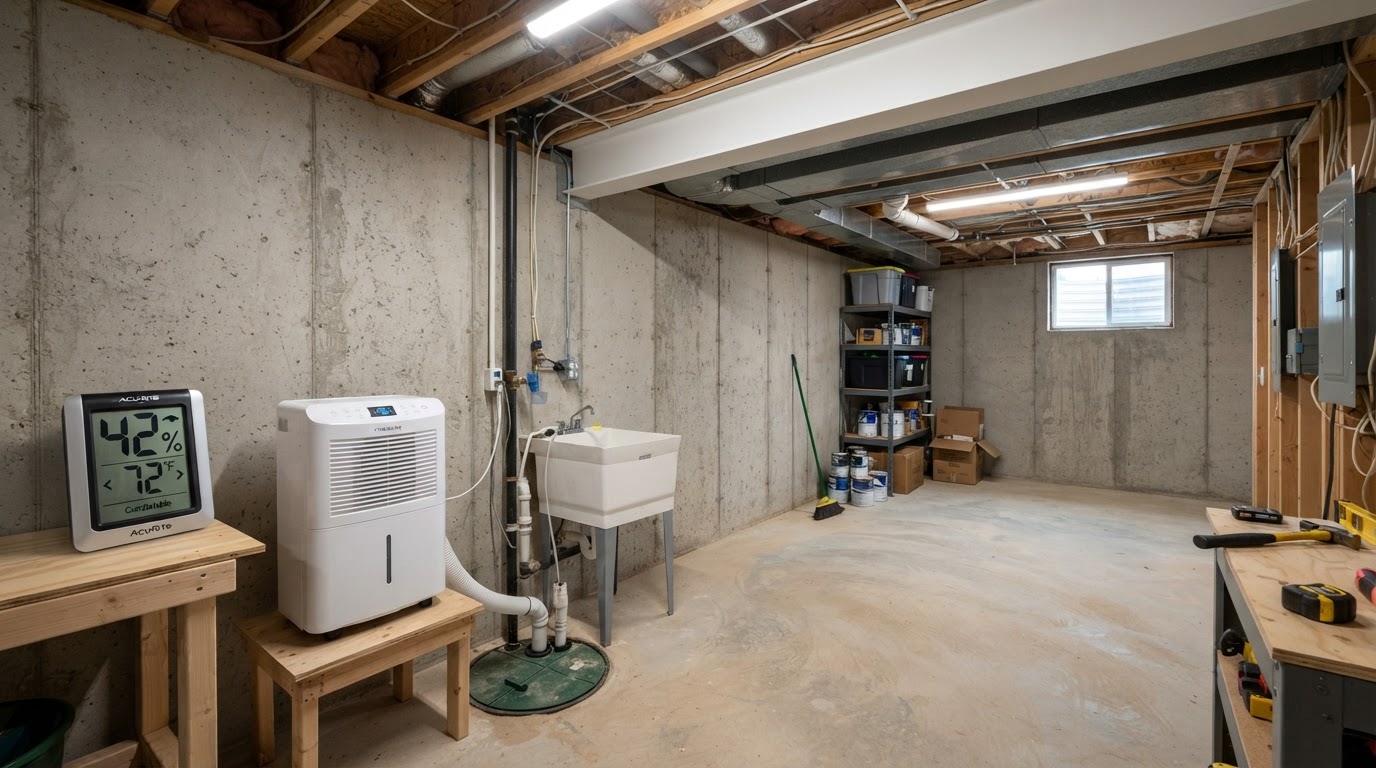
How to Prevent Mold in Maryland Basements
Basements are the most mold-prone room in a Mid-Atlantic home. Here is how to keep yours dry, ventilated, and mold-free year-round.
Testing & Inspection
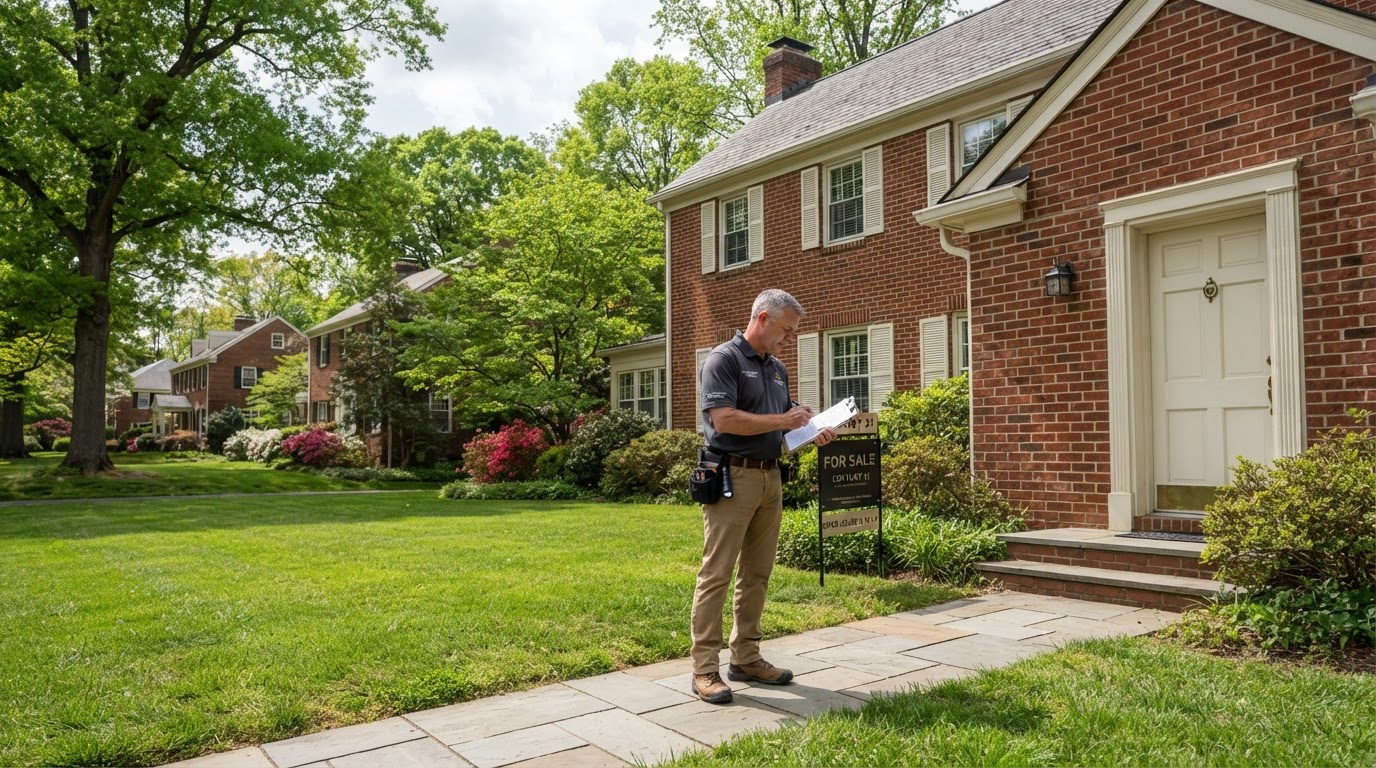
Buying a Home in Maryland? Why Mold Testing Matters
Before you close on a Maryland home, a mold inspection can reveal hidden moisture issues that a standard home inspection might miss.


Service areas we cover
MD Mold Testing serves Rockville, Bethesda & Northern Virginia and communities across Maryland, Washington D.C., Northern Virginia, and Delaware.
Not ready to schedule? Get our free guide.
Download The Ultimate Guide to a Mold-Free, Healthy Maryland Home and subscribe to the Maryland Healthy Home Newsletter for weekly homeowner tips.
MD Mold Testing
For professional radon testing in Rockville, Bethesda & Northern Virginia and across Maryland, Washington D.C., Northern Virginia, and Delaware, our featured local provider is MD Mold Testing. Best Mold Testing Maryland is an independent educational resource — we do not perform inspections ourselves.