Termite Inspections in Maryland & the Greater D.C. Region
Termite and wood-destroying insect inspections — identifying termite, carpenter ant, and powderpost beetle activity and damage before a real estate transaction or as part of home maintenance.
What is termite inspections?
A termite inspection — formally a wood-destroying insect (WDI) or wood-destroying organism (WDO) inspection — evaluates a home for evidence of termite, carpenter ant, powderpost beetle, and other wood-destroying insect activity and damage. In the Mid-Atlantic, termites are common, and a WDI inspection is a routine part of real estate transactions. The inspection identifies active infestation, evidence of past treatment, and damage that may warrant repair. MD Mold Testing provides termite inspections throughout Maryland, Washington D.C., Northern Virginia, and Delaware.
A termite inspection — formally a wood-destroying insect (WDI) or wood-destroying organism (WDO) inspection — is a visual evaluation of a home for evidence of wood-destroying insect activity and damage. The inspection examines the exterior foundation, crawl space or basement, garage, and accessible interior areas for the signs of WDI activity: mud tubes (the shelter tubes subterranean termites build to travel between the soil and the wood), damaged or hollow-sounding wood, frass (the powdery excrement of powderpost beetles), exit holes in wood, and discarded wings from termite swarmers. The inspector also identifies conditions conducive to WDI activity — wood-to-ground contact, moisture-damaged wood (which attracts carpenter ants), inadequate crawl space ventilation, and soil contact with siding. The result is a written WDI report that documents: whether there is evidence of active infestation, whether there is evidence of past treatment (such as termiticide application or bait stations), and whether there is visible damage that warrants repair. The report also recommends treatment (for active infestation), repair (for damaged wood), and correction of conducive conditions (to prevent recurrence).
Why is termite inspections important?
Maryland, D.C., and Northern Virginia are in a region with significant termite activity — the Mid-Atlantic climate supports subterranean termite colonies, and the region's older housing stock with wood-to-ground contact provides ideal conditions. WDI inspections are a routine and often required part of real estate transactions in the region. The moist, humid climate also supports carpenter ant activity, particularly in homes with moisture-damaged wood.
Termites and wood-destroying insects cause billions of dollars in property damage annually in the United States, and the Mid-Atlantic is one of the regions with significant termite activity. Subterranean termites, the most common type in Maryland, D.C., and Northern Virginia, live in colonies in the soil and feed on the wood of a home — often for years before the damage is visible. The signs — mud tubes on the foundation, hollow-sounding wood, damaged structural members — are not always obvious to a homeowner, but a trained WDI inspector knows where to look and what to look for. For a homebuyer, a WDI inspection during the contingency period identifies whether the home has active infestation, past treatment, or damage — conditions that can support a treatment request, a repair negotiation, or a decision to walk away. For a seller, a pre-listing WDI inspection documents the property's condition and can smooth a transaction. For a homeowner, periodic WDI inspections identify emerging infestations before they cause significant damage — because termite damage is progressive, and early identification saves both the structure and the repair cost. In a region where termites are common and where the older housing stock provides ideal conditions (wood-to-ground contact, moisture-damaged wood, fieldstone foundations with gaps), the WDI inspection is the assessment that protects the wood structure of the home.
Featured Local Provider
Schedule termite inspections with MD Mold Testing
Serving Baltimore, Annapolis & Rockville, MD and the greater Mid-Atlantic region.
Warning signs to watch for
- Mud tubes on foundation walls or in crawl spaces (subterranean termites)
- Soft or damaged wood, especially near the ground or in damp areas
- Discarded wings near windows or doors (termite swarmers)
- Small holes or frass (powderpost beetle evidence) in wood
- A real estate transaction requires a WDI inspection report
When should you schedule this service?
- A real estate transaction requires a WDI inspection
- You see evidence of termite or wood-destroying insect activity
- A home has wood-to-ground contact or moisture-damaged wood
- You want to document a property's WDI condition before selling
- Annual maintenance for a home in a termite-active region
What does professional testing involve?
Here's how MD Mold Testing typically approaches termite inspections across Baltimore, Annapolis & Rockville, MD.
Exterior & interior inspection
We inspect the exterior foundation, crawl space, basement, and accessible interior areas for evidence of WDI activity — mud tubes, damaged wood, frass, exit holes, and swarmers.
Moisture & conducive conditions
We identify conditions conducive to WDI activity — wood-to-ground contact, moisture-damaged wood, and inadequate clearance or ventilation in crawl spaces.
Findings documentation
Evidence of activity, evidence of past treatment, and visible damage are documented in a written WDI report.
Recommendations
The report recommends treatment for active infestation, repair for damaged wood, and correction of conducive conditions to prevent recurrence.
A WDI inspection is a visual evaluation of accessible areas for evidence of termite and wood-destroying insect activity. The report documents active or past activity, visible damage, and conducive conditions, with treatment and repair recommendations. For a professional WDI inspection, call MD Mold Testing at (301) 717-1454.
A termite inspection is appropriate when a real estate transaction requires a WDI report, when evidence of termite or wood-destroying insect activity is observed, for a home with wood-to-ground contact or moisture-damaged wood, to document a property's condition before selling, and as annual maintenance in a termite-active region.
What can testing results tell you?
The WDI report documents the inspection's findings in a standardized format. Key sections include: whether there is evidence of active infestation (live insects, fresh mud tubes, active damage); whether there is evidence of previous infestation (old damage, abandoned mud tubes); whether there is evidence of past treatment (termiticide application, bait stations, treated soil); and whether there is visible damage (damaged wood, compromised structural members). The report also documents conducive conditions — wood-to-ground contact, moisture-damaged wood, inadequate crawl space ventilation — that increase the risk of WDI activity and should be corrected. Recommendations follow the findings: for active infestation, professional termite treatment (liquid termiticide, bait systems, or both); for damaged wood, repair or replacement of affected structural members; for conducive conditions, correction (removing wood-to-ground contact, repairing moisture sources, improving ventilation). The report is a point-in-time assessment — it documents the conditions found on the day of inspection, not a guarantee against future infestation. For a real estate transaction, the WDI report is the documentation that the buyer, lender, or insurer requires.
Featured Local Provider
Schedule termite inspections with MD Mold Testing
Serving Baltimore, Annapolis & Rockville, MD and the greater Mid-Atlantic region.
The cost of a WDI inspection depends on the home's size and the inspection's scope. A WDI inspection for a real estate transaction is typically a flat fee. Some inspectors bundle it with a home inspection at a reduced combined rate. Contact MD Mold Testing at (301) 717-1454 for a quote.
A common mistake is assuming that a home with no visible termite damage is termite-free — subterranean termites often feed inside wood members and behind walls, and the damage is not visible until the wood is probed or the damage is advanced. Another is neglecting annual WDI inspections in a termite-active region; termite activity can begin and progress significantly between inspections, and early identification is far less costly than structural repair. A third is overlooking conducive conditions — wood-to-ground contact, moisture-damaged wood, and poor crawl space ventilation — that attract wood-destroying insects and should be corrected regardless of whether active infestation is found. Finally, confusing a WDI inspection with a general pest inspection is common; a WDI inspection specifically evaluates wood-destroying insects, not general household pests.
A homeowner can look for visible signs of termite activity (mud tubes, damaged wood, wings) and correcting conducive conditions is always good practice. However, a professional WDI inspection provides the trained evaluation, the access to crawl spaces and foundations, and the written report that a transaction requires. For a real estate contingency, a professional WDI report is the documentation the buyer, lender, or insurer needs. For maintenance, a professional inspection identifies conditions a homeowner may not recognize.
Why termite inspections matters in the Mid-Atlantic
The Mid-Atlantic climate supports subterranean termite colonies; the region has significant termite activity.
Older homes with wood-to-ground contact, moisture-damaged wood, and fieldstone foundations are particularly susceptible.
WDI inspections are a routine and often required part of real estate transactions in Maryland, D.C., and Northern Virginia.
A local, independent testing specialist
MD Mold Testing is our featured local provider for termite and WDI inspections across Maryland, Washington D.C., Northern Virginia, and Delaware. They understand the region's termite activity and the older housing stock's susceptibility, and they provide documented WDI reports for real estate transactions and maintenance. Contact MD Mold Testing at (301) 717-1454 or visit https://www.mdmoldtesting.com/ to schedule a termite inspection.
Frequently asked questions about termite inspections
What is a termite inspection?+
A termite inspection — formally a wood-destroying insect (WDI) inspection — is a visual evaluation of a home for evidence of termite, carpenter ant, powderpost beetle, and other wood-destroying insect activity and damage. It documents active infestation, past treatment, and visible damage.
Are termites common in Maryland?+
Yes. The Mid-Atlantic climate supports subterranean termite colonies, and Maryland, D.C., and Northern Virginia have significant termite activity. Older homes with wood-to-ground contact and moisture-damaged wood are particularly susceptible.
How much does a termite inspection cost?+
WDI inspections are typically a flat fee, sometimes bundled with a home inspection at a reduced combined rate. Contact MD Mold Testing at (301) 717-1454 for a quote.
Do I need a termite inspection when buying a home?+
In Maryland, D.C., and Northern Virginia, a WDI inspection is a routine and often required part of real estate transactions. It identifies active infestation, past treatment, and damage that can support a treatment request or repair negotiation.
What are the signs of termite activity?+
Mud tubes on the foundation, hollow-sounding or damaged wood, discarded wings near windows or doors (from swarmers), and frass or exit holes from powderpost beetles. A trained WDI inspector knows where to look for these signs.
What if the inspection finds active termites?+
The report recommends professional treatment — liquid termiticide, bait systems, or both — to eliminate the colony, and repair for any damaged wood. Conducive conditions (wood-to-ground contact, moisture) should also be corrected to prevent recurrence.
Is a WDI inspection the same as a pest inspection?+
No. A WDI inspection specifically evaluates wood-destroying insects (termites, carpenter ants, powderpost beetles). A general pest inspection addresses household pests (ants, roaches, rodents) and is a different service.
Related questions from our knowledge base
Can mold cause structural damage to a home?
Yes. Mold feeds on organic materials, and prolonged growth on wood framing, drywall paper, and other building materials can weaken and degra
Read full answerWhat is mold testing and what does it actually involve?
Mold testing is the process of collecting air or surface samples from a home and having them analyzed by a laboratory to identify the types
Read full answerIf I can already see mold, do I still need testing?
Not always. The EPA's general guidance is that if visible mold is present, you should address the moisture source and clean or remove the mo
Read full answerWhat is the difference between air sampling and surface sampling?
Air sampling measures the concentration of mold spores in the air at a given moment, usually compared to an outdoor baseline sample. It help
Read full answerHow long does a mold inspection and testing take?
A typical on-site inspection takes one to three hours depending on the size of the home and how many areas are sampled. Air sampling itself
Read full answerCan I test for mold myself with a home kit?
Consumer mold test kits are available, but they have real limitations. Settling plates and DIY air kits can tell you that mold spores are pr
Read full answerFeatured Local Provider
Schedule termite inspections with MD Mold Testing
Serving Baltimore, Annapolis & Rockville, MD and the greater Mid-Atlantic region.
Related educational articles
Cost & Timing
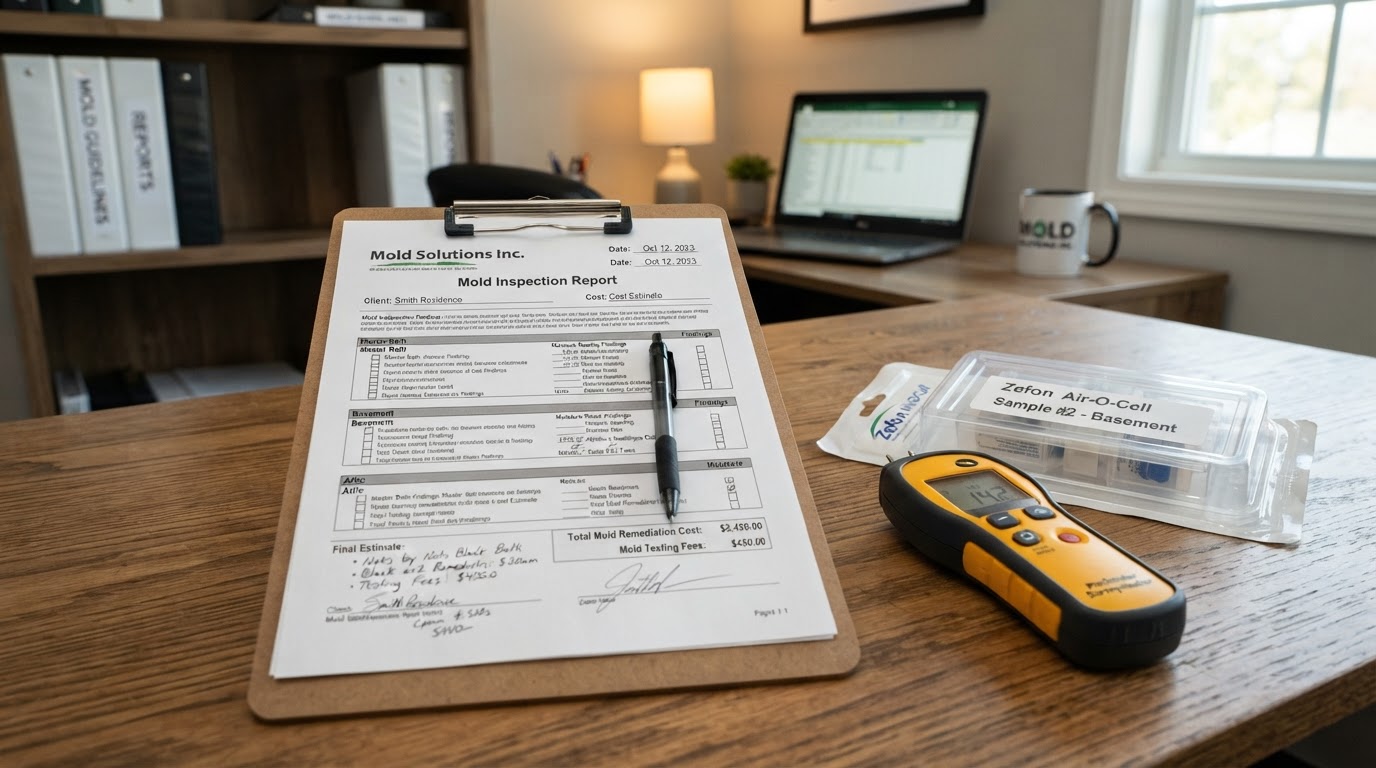
How Much Does Mold Testing Cost in Maryland?
Mold testing prices vary based on the scope of the inspection and the size of your home. Here is what influences the cost across Maryland and the DC region.
Testing & Inspection
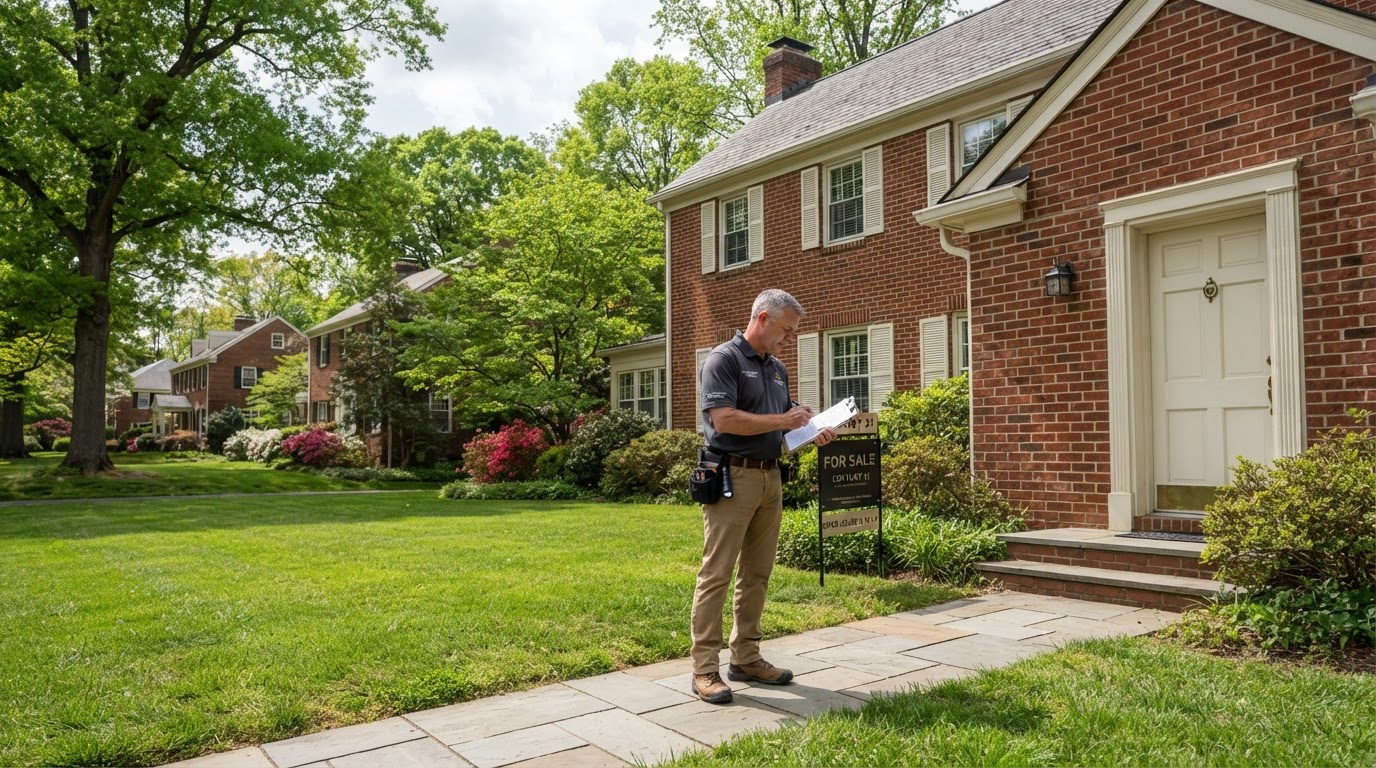
Buying a Home in Maryland? Why Mold Testing Matters
Before you close on a Maryland home, a mold inspection can reveal hidden moisture issues that a standard home inspection might miss.
Testing & Inspection
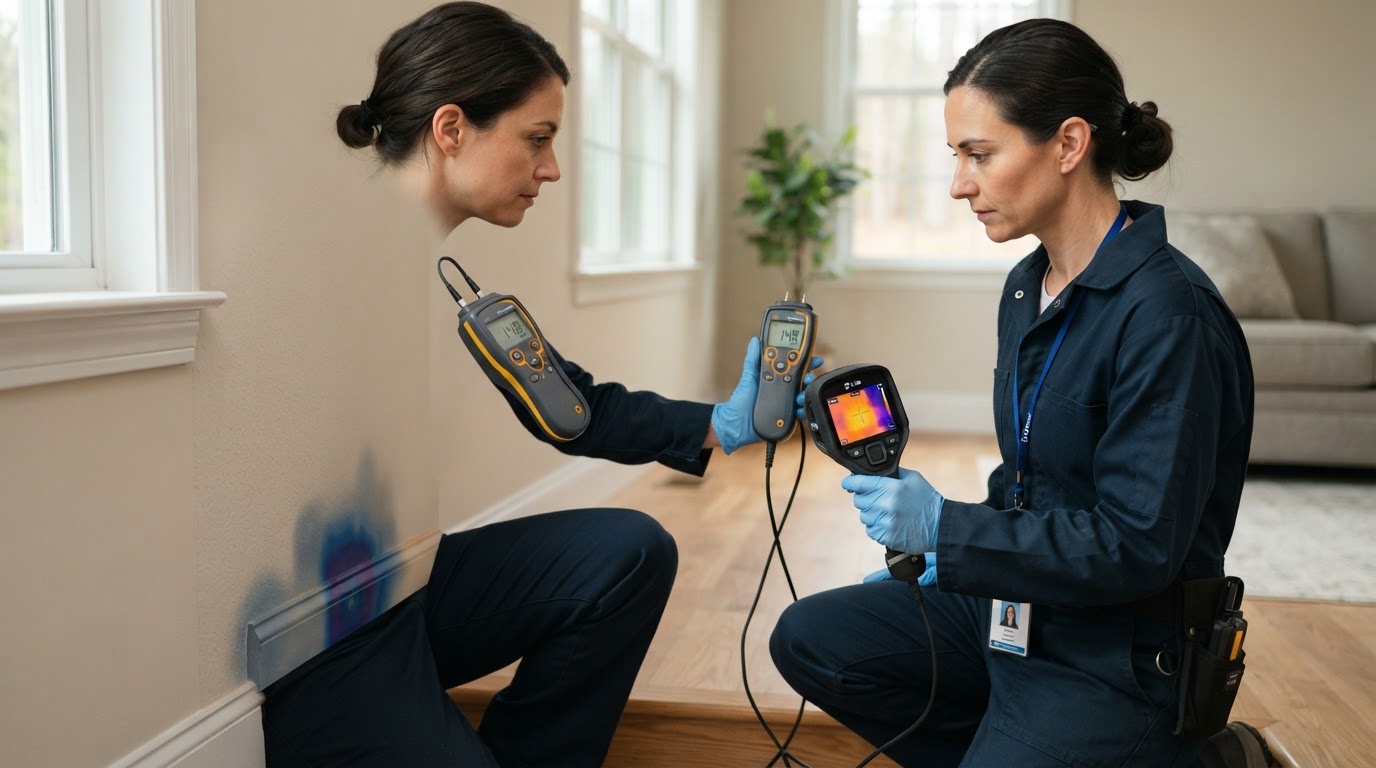
Understanding the Mold Inspection Process in Maryland
From the first phone call to the final report, here is what actually happens during a professional mold inspection in a Maryland home.


Service areas we cover
MD Mold Testing serves Baltimore, Annapolis & Rockville, MD and communities across Maryland, Washington D.C., Northern Virginia, and Delaware.
Not ready to schedule? Get our free guide.
Download The Ultimate Guide to a Mold-Free, Healthy Maryland Home and subscribe to the Maryland Healthy Home Newsletter for weekly homeowner tips.
MD Mold Testing
For professional termite inspections in Baltimore, Annapolis & Rockville, MD and across Maryland, Washington D.C., Northern Virginia, and Delaware, our featured local provider is MD Mold Testing. Best Mold Testing Maryland is an independent educational resource — we do not perform inspections ourselves.