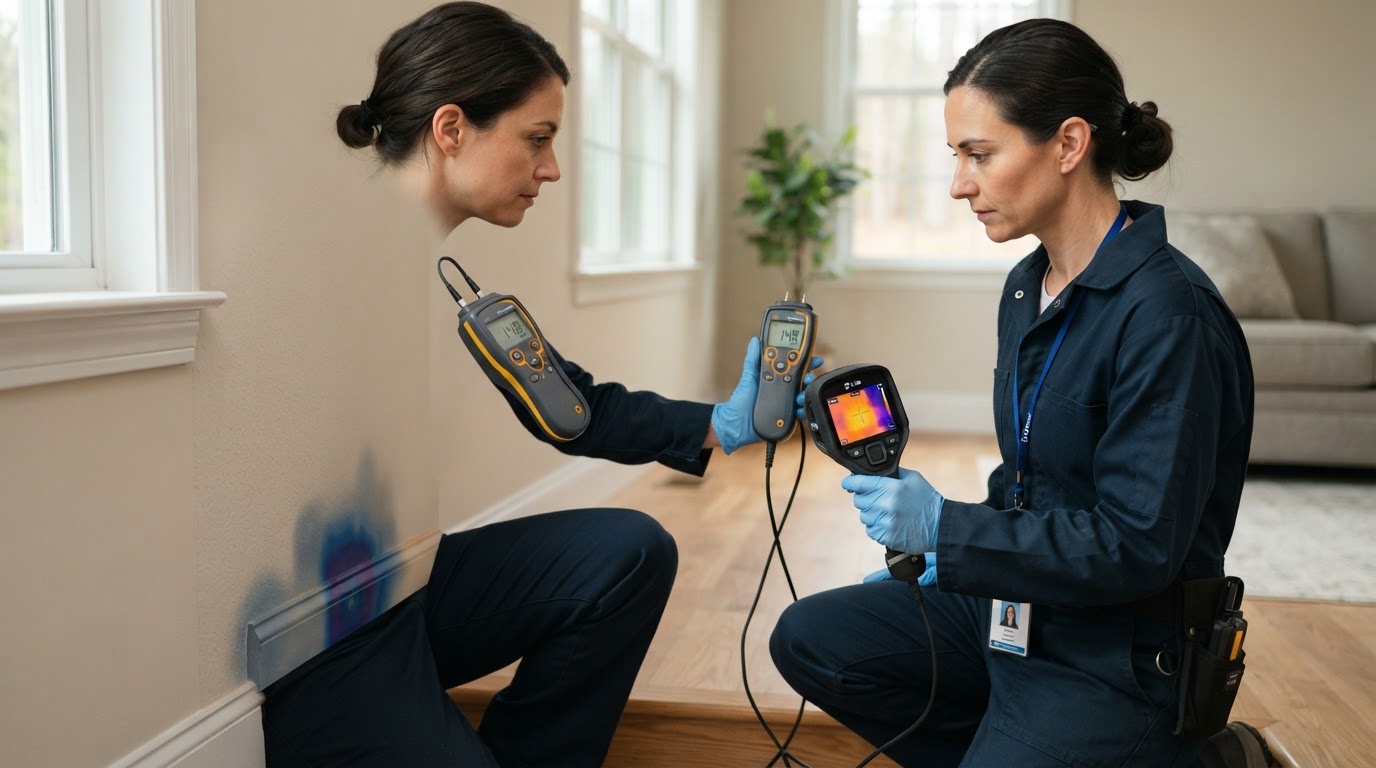
Containment means sealing off the work area — usually with plastic sheeting and negative air pressure — so mold spores disturbed during cleanup do not spread to the rest of the home. Without containment, removing moldy materials can actually increase spore exposure in other rooms. Professional remediation uses containment along with HEPA air filtration to protect both workers and occupants. This is one reason larger jobs are best left to trained professionals.
Why this matters
Mold is a symptom of a moisture problem. Understanding why and where it grows is the first step toward a healthier home, because the same conditions that allow mold to thrive can also quietly damage building materials and affect indoor air quality. For homeowners in Maryland, Washington, D.C., Northern Virginia & Delaware, these factors are shaped by the region's humid climate and the age of much of its housing stock.
What this means in Maryland, Washington, D.C., Northern Virginia & Delaware
Across Maryland, Washington, D.C., Northern Virginia, and Delaware, the humid Mid-Atlantic climate makes indoor moisture control the single biggest factor in preventing mold.
Common causes & warning signs
- Keeping indoor humidity below roughly 50–60% with dehumidification
- Promptly drying any wet material within 24–48 hours
- Sealing air leaks and insulating cold surfaces to limit condensation
- Maintaining gutters, grading, and ventilation year-round
What you can do
- Control humidity and dry wet areas quickly
- Maintain gutters, downspouts, and grading
- Ventilate moisture-producing activities to the exterior
- Inspect basements, crawl spaces, and attics seasonally
When to call a professional
If you're dealing with this issue in Maryland, Washington, D.C., Northern Virginia & Delaware, it's worth getting a professional opinion when the problem is hidden, widespread, recurring, or tied to a water event you can't fully trace. Our featured local provider, MD Mold Testing, performs independent mold testing, mold inspections, and environmental assessments — including radon, asbestos, and lead testing — throughout Maryland, Washington, D.C., Northern Virginia, and Delaware. Because they focus on testing and inspection, they can give you an unbiased read on what's actually happening in your home. Call (301) 717-1454 or visit https://www.mdmoldtesting.com/ to schedule an assessment.