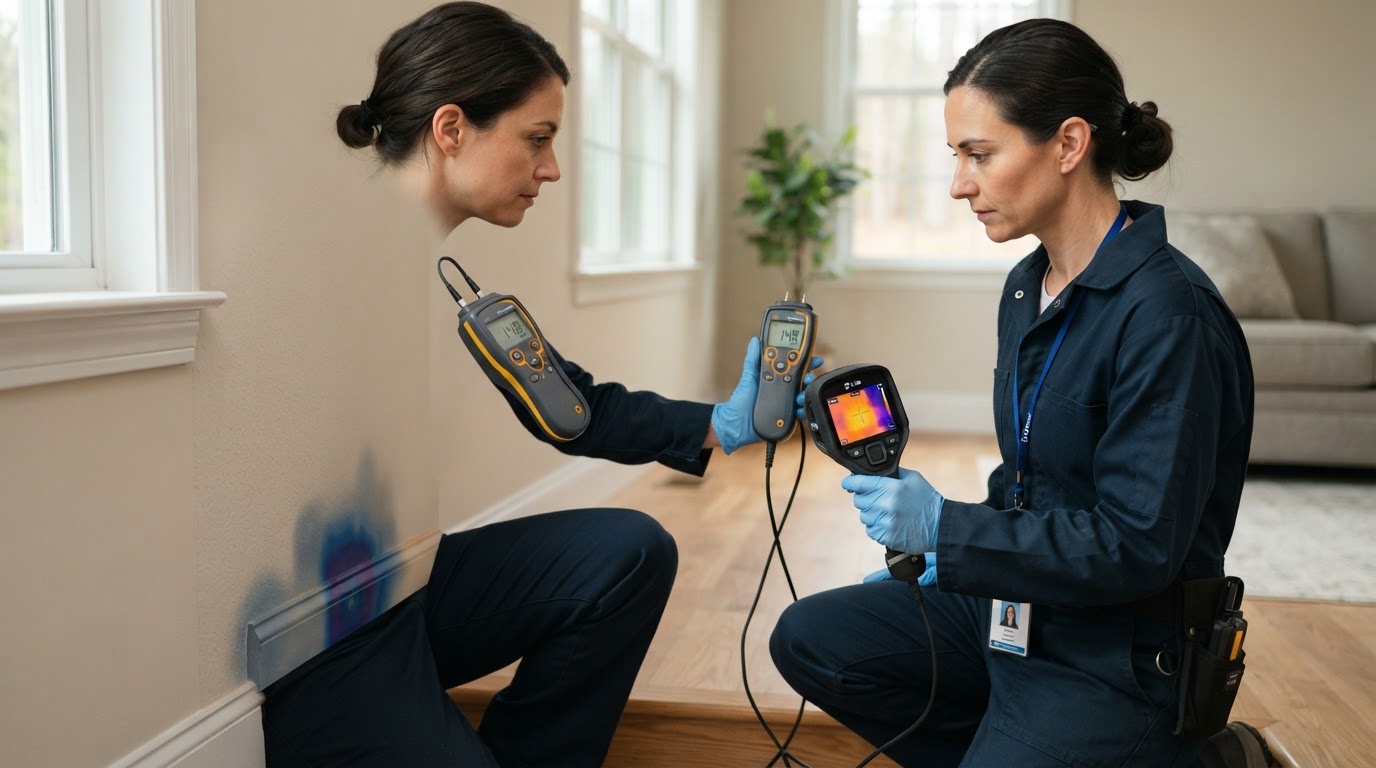
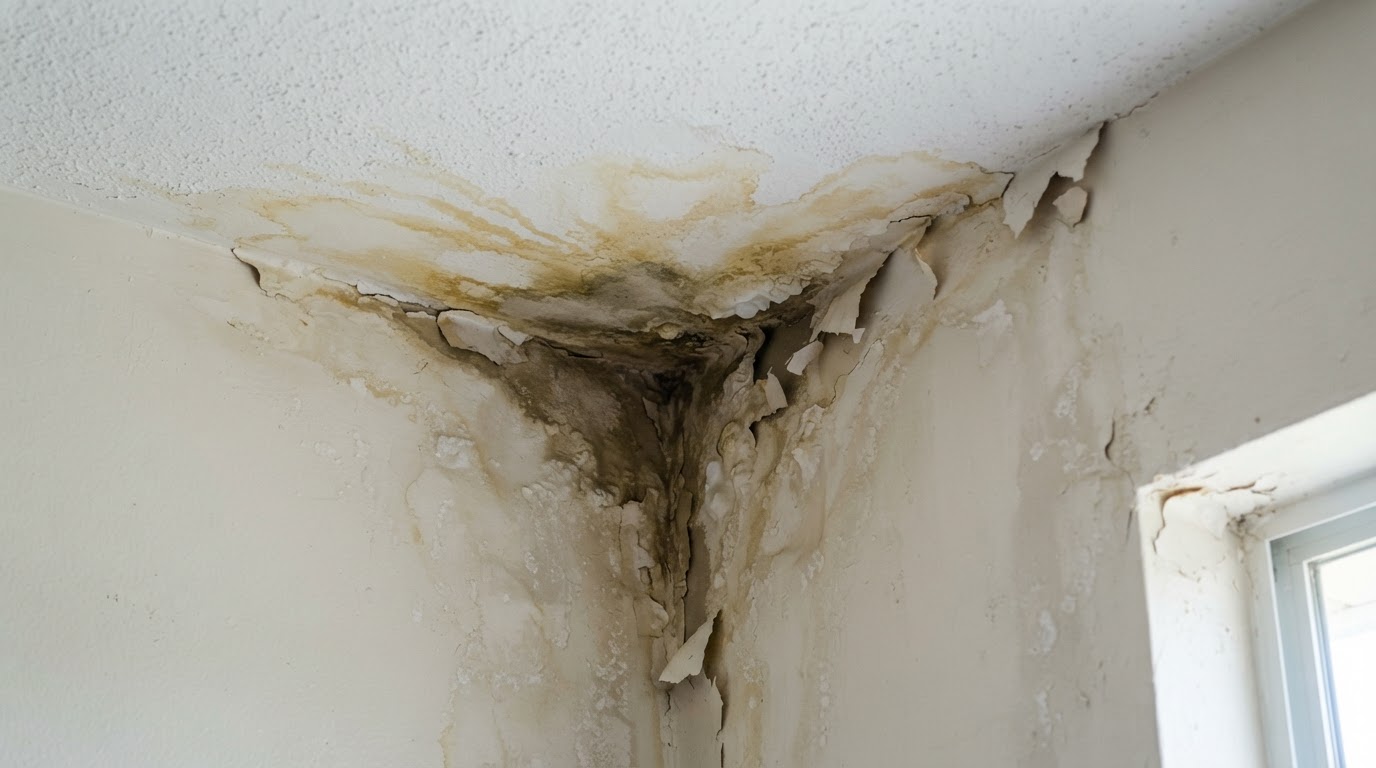
For small areas (the EPA references roughly 10 square feet or less) on non-porous or semi-porous surfaces, DIY cleanup is often reasonable if you fix the moisture source first. Use appropriate PPE — gloves, an N95 mask, and eye protection — and avoid exposing others to the area. Porous materials like drywall or carpet that are moldy usually need to be removed rather than cleaned. If you have health concerns or the area is larger, hire a professional.
Why this matters
Mold is a symptom of a moisture problem. Understanding why and where it grows is the first step toward a healthier home, because the same conditions that allow mold to thrive can also quietly damage building materials and affect indoor air quality. For homeowners in Maryland, Washington, D.C., Northern Virginia & Delaware, these factors are shaped by the region's humid climate and the age of much of its housing stock.
What this means in Maryland, Washington, D.C., Northern Virginia & Delaware
Across Maryland, Washington, D.C., Northern Virginia, and Delaware, the humid Mid-Atlantic climate makes indoor moisture control the single biggest factor in preventing mold.
Common causes & warning signs
- Inhaling or touching mold spores and fragments
- Allergens produced by many common indoor molds
- Musty odors from microbial volatile organic compounds (MVOCs)
- Individual sensitivity, which varies widely from person to person
- High indoor humidity, especially during humid Mid-Atlantic summers
- Condensation on cool surfaces like windows, pipes, and ductwork
What you can do
- Fix the moisture source first — health concerns won't resolve while mold grows
- Remove or clean moldy materials per EPA guidance
- Discuss persistent symptoms with a healthcare provider
- Improve ventilation and filtration to reduce airborne spores
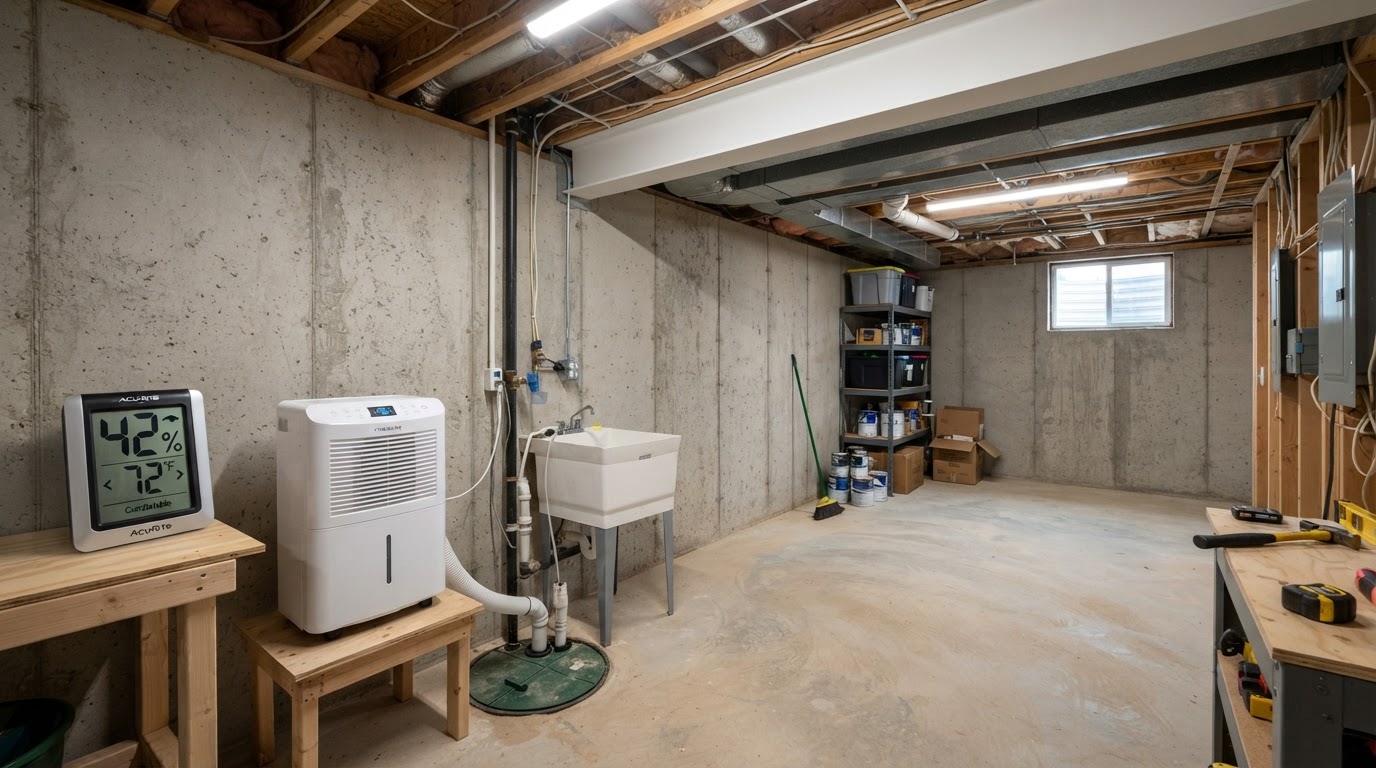
- Keep indoor humidity between roughly 30–50% in cool months and below 60% in summer
- Use exhaust fans and dehumidifiers in damp spaces
When to call a professional
If you're dealing with this issue in Maryland, Washington, D.C., Northern Virginia & Delaware, it's worth getting a professional opinion when the problem is hidden, widespread, recurring, or tied to a water event you can't fully trace. Our featured local provider, MD Mold Testing, performs independent mold testing, mold inspections, and environmental assessments — including radon, asbestos, and lead testing — throughout Maryland, Washington, D.C., Northern Virginia, and Delaware. Because they focus on testing and inspection, they can give you an unbiased read on what's actually happening in your home. Call (301) 717-1454 or visit https://www.mdmoldtesting.com/ to schedule an assessment.