Hazardous Lead Testing in Maryland & the Greater D.C. Region
Lead paint and lead dust testing — identifying lead hazards in older homes before renovation, a real estate transaction, or when children are present, using paint inspection, dust wipe sampling, and lab analysis.
What is hazardous lead testing?
Lead testing identifies lead hazards in a home — lead-based paint, lead-contaminated dust, and lead in soil or water. Lead is a neurotoxin with no safe blood level, especially in children, where it can cause irreversible cognitive and developmental damage. Homes built before 1978, when lead-based paint was banned for residential use, commonly contain lead paint. Lead dust from deteriorating paint is the most common source of childhood lead exposure. Testing identifies lead hazards so they can be managed or abated. MD Mold Testing provides lead testing throughout Maryland, Washington D.C., Northern Virginia, and Delaware.
Lead testing is the identification of lead hazards in a home. The primary concern is lead-based paint, which was used in residential construction until it was banned in 1978. Homes built before 1978 commonly contain lead paint, often underneath layers of newer paint. The hazard arises when lead paint deteriorates (peeling, chipping, or creating dust) or is disturbed during renovation — the lead dust contaminates surfaces and soil and is ingested or inhaled, especially by young children. Lead testing has several methods: a paint inspection uses XRF (X-ray fluorescence) analysis or paint chip sampling to identify which surfaces have lead-based paint and at what concentration; dust wipe sampling collects dust from floors, windowsills, and window troughs (the highest-risk surfaces) to measure lead dust levels in micrograms per square foot; soil testing identifies lead in soil around the home (from exterior paint or vehicle emissions); and water testing identifies lead leaching from plumbing. An accredited laboratory analyzes paint chip, dust wipe, soil, and water samples. The report documents which surfaces have lead-based paint, the lead dust levels, and recommendations for abatement (removal or encapsulation of lead paint), dust clearance (after renovation or abatement), or ongoing management. MD Mold Testing performs the inspection and sampling; the accredited lab performs the analysis.
Why is hazardous lead testing important?
Baltimore, D.C., and the Maryland and Northern Virginia suburbs have a large stock of pre-1978 homes where lead-based paint is common. The region's older urban housing stock — Baltimore rowhouses, D.C. townhomes, and mid-century suburban homes — frequently contains lead paint, and renovation of these homes can create lead dust hazards. Maryland and D.C. have specific lead regulations for rental properties and renovation work that make lead testing relevant for landlords, renovators, and homebuyers.
Lead is a neurotoxin with no safe blood level, and children are especially vulnerable — lead exposure in children can cause irreversible cognitive and developmental damage, reduced IQ, learning disabilities, and behavioral problems, often with no obvious symptoms until the damage is done. The most common source of childhood lead exposure is lead dust from deteriorating lead-based paint in older homes, which children ingest through normal hand-to-mouth behavior. A pre-1978 home with intact lead paint may not pose an immediate hazard, but deteriorating paint, renovation that disturbs painted surfaces, or friction surfaces (windows and doors) that create dust can all generate lead hazards. Testing identifies lead hazards so they can be managed: abatement removes or encapsulates lead paint, dust clearance verifies that renovation or abatement did not leave hazardous dust, and ongoing management protects children from exposure. For a homebuyer purchasing a pre-1978 home, lead testing identifies what the property contains. For a renovator, it identifies lead paint before work begins so the work can follow lead-safe practices. For a landlord, it addresses compliance with lead regulations. In the Mid-Atlantic, where the large stock of pre-1978 homes means lead paint is common, lead testing is the assessment that protects children from a preventable, irreversible exposure — the assessment that turns an invisible hazard into a known condition that can be managed.
Featured Local Provider
Schedule hazardous lead testing with MD Mold Testing
Serving Baltimore, Rockville & Washington, D.C. and the greater Mid-Atlantic region.
Warning signs to watch for
- Your home was built before 1978
- You are renovating a pre-1978 home
- Paint is peeling, chipping, or deteriorating in an older home
- Young children live in or visit an older home
- A real estate transaction involves a pre-1978 property
When should you schedule this service?
- You are buying or living in a pre-1978 home
- You are renovating a pre-1978 home and need to identify lead hazards first
- Paint is deteriorating in an older home with children present
- A rental property requires lead testing for compliance
- You want to identify lead hazards before a child is exposed
What does professional testing involve?
Here's how MD Mold Testing typically approaches hazardous lead testing across Baltimore, Rockville & Washington, D.C..
Paint & surface inspection
We inspect painted surfaces for lead using XRF (X-ray fluorescence) analysis or paint chip sampling, identifying which surfaces have lead-based paint.
Dust wipe sampling
Where lead paint is present or deteriorating, dust wipe samples are collected from floors, windowsills, and window troughs to measure lead dust levels.
Laboratory analysis
An accredited lab analyzes paint chip and dust wipe samples, reporting lead content in the applicable units (mg/cm² for paint, µg/ft² for dust).
Lead report
A report documents which surfaces have lead-based paint, lead dust levels, and recommendations for abatement, clearance, or ongoing management.
Lead testing inspects painted surfaces for lead (by XRF or paint chip sampling) and collects dust wipe samples where warranted. An accredited lab analyzes the samples, and the report documents lead hazards with abatement or management recommendations. For professional lead testing, call MD Mold Testing at (301) 717-1454.
Lead testing is appropriate for any pre-1978 home, before renovating a pre-1978 home, when paint is deteriorating in an older home with children present, for rental property compliance, and during a real estate transaction involving a pre-1978 property.
What can testing results tell you?
The lead testing report documents the findings by method. For a paint inspection: which surfaces have lead-based paint, the lead concentration (in milligrams per square centimeter for XRF, or percentage for paint chip analysis), and the condition of the paint. For dust wipe sampling: the lead dust levels on floors, windowsills, and window troughs in micrograms per square foot, compared to EPA hazard standards (40 µg/ft² for floors, 250 µg/ft² for windowsills, 400 µg/ft² for window troughs). For soil: lead levels compared to EPA bare-soil standards. For water: lead levels compared to the EPA action level. The report recommends: for lead-based paint in good condition, ongoing management and monitoring; for deteriorating lead paint, abatement (removal or encapsulation); for elevated dust levels, cleaning and dust clearance testing; for renovation that disturbed lead paint, lead-safe cleanup and clearance. Results are environmental information about lead hazards; for health concerns, especially for children, share the results with your healthcare provider and consult your local health department for blood lead testing.
Featured Local Provider
Schedule hazardous lead testing with MD Mold Testing
Serving Baltimore, Rockville & Washington, D.C. and the greater Mid-Atlantic region.
The cost of lead testing depends on the method (XRF inspection, paint chip sampling, dust wipe sampling), the number of surfaces or samples, and the building's size. An XRF paint inspection of a whole home costs more than a focused dust wipe assessment. Contact MD Mold Testing at (301) 717-1454 for a quote based on your testing needs.
A common mistake is assuming that a home with no visible paint problems is lead-safe — lead dust can be present from friction surfaces (windows, doors) and past renovation even when paint looks intact. Another is renovating a pre-1978 home without testing for lead first; disturbing lead paint creates dust hazards, and EPA RRP rules require lead-safe renovation practices for pre-1978 homes. A third is assuming that lead paint must always be removed; intact lead paint in good condition can often be managed in place, and encapsulation may be appropriate. Finally, neglecting dust clearance testing after renovation or abatement is common; the hazard is the dust, and clearance testing verifies it was cleaned up.
Consumer lead test kits (swabs) can indicate the presence of lead on a surface, but they do not quantify the concentration, they do not assess dust hazards, and they do not provide the accredited, defensible results that a renovation plan, a clearance, or a property transaction requires. Professional lead testing uses XRF analysis or paint chip sampling for paint, dust wipe sampling for dust, and accredited laboratory analysis for defensible results. For a renovation, a transaction, a clearance, or a child's safety where the results need to be right, professional lead testing is the reliable path.
Why hazardous lead testing matters in the Mid-Atlantic
Pre-1978 homes across Baltimore, D.C., and the Maryland suburbs commonly contain lead-based paint.
Maryland and D.C. have specific lead regulations for rental properties and renovation work (such as EPA RRP rules for renovation).
Renovation of older homes can create lead dust hazards; testing identifies lead paint before work begins.
A local, independent testing specialist
MD Mold Testing is our featured local provider for lead testing across Maryland, Washington D.C., Northern Virginia, and Delaware. They understand the region's pre-1978 housing stock and the lead regulations that apply to rental properties and renovation work, and they use accredited laboratory analysis for defensible results. Contact MD Mold Testing at (301) 717-1454 or visit https://www.mdmoldtesting.com/ to schedule lead testing.
Frequently asked questions about hazardous lead testing
What is lead testing?+
Lead testing identifies lead hazards — lead-based paint, lead dust, lead in soil or water. A paint inspection uses XRF or paint chip sampling; dust wipe sampling measures lead dust levels. An accredited lab analyzes the samples.
When should I test for lead?+
For any pre-1978 home, before renovating a pre-1978 home, when paint is deteriorating in an older home with children, for rental property compliance, and during a real estate transaction involving a pre-1978 property.
How much does lead testing cost in Maryland?+
Costs depend on the method (XRF, paint chip, dust wipe), the number of surfaces or samples, and the building's size. Contact MD Mold Testing at (301) 717-1454 for a quote.
Why is lead a concern for children?+
Lead is a neurotoxin with no safe blood level. In children, exposure can cause irreversible cognitive and developmental damage, reduced IQ, and learning disabilities, often with no obvious symptoms. Lead dust from older paint is the most common source.
What if lead paint is found?+
Intact lead paint in good condition can often be managed in place with monitoring. Deteriorating paint may need abatement (removal or encapsulation). After renovation or abatement, dust clearance testing verifies the hazard was cleaned up.
Do I need lead-safe renovation practices?+
Yes. EPA RRP rules require lead-safe renovation practices for pre-1978 homes. Disturbing lead paint creates dust hazards. Testing identifies lead paint before work begins so the renovation can follow lead-safe practices.
Can I use a home lead test kit?+
Consumer swab kits can indicate lead presence but do not quantify concentration, assess dust hazards, or provide defensible results. For renovation, clearance, or a child's safety, professional testing with accredited lab analysis is the reliable path.
Related questions from our knowledge base
How does mold grow inside a home?
Mold needs three things to grow: moisture, a food source, and a suitable temperature. Indoors, moisture comes from leaks, condensation, high
Read full answerWhat does mold smell like?
Mold often produces a distinctive musty, earthy odor, sometimes described as smelling like wet socks or damp leaves. This smell comes from m
Read full answerCan mold cause structural damage to a home?
Yes. Mold feeds on organic materials, and prolonged growth on wood framing, drywall paper, and other building materials can weaken and degra
Read full answerWhat is mold testing and what does it actually involve?
Mold testing is the process of collecting air or surface samples from a home and having them analyzed by a laboratory to identify the types
Read full answerWhen should a Maryland homeowner consider mold testing?
Testing is worth considering after a water event like a roof leak, plumbing leak, or basement flooding; when you smell a persistent musty od
Read full answerIf I can already see mold, do I still need testing?
Not always. The EPA's general guidance is that if visible mold is present, you should address the moisture source and clean or remove the mo
Read full answerFeatured Local Provider
Schedule hazardous lead testing with MD Mold Testing
Serving Baltimore, Rockville & Washington, D.C. and the greater Mid-Atlantic region.
Related educational articles

Cost & Timing
How Much Does Mold Testing Cost in Maryland?
Mold testing prices vary based on the scope of the inspection and the size of your home. Here is what influences the cost across Maryland and the DC region.
Testing & Inspection
Buying a Home in Maryland? Why Mold Testing Matters
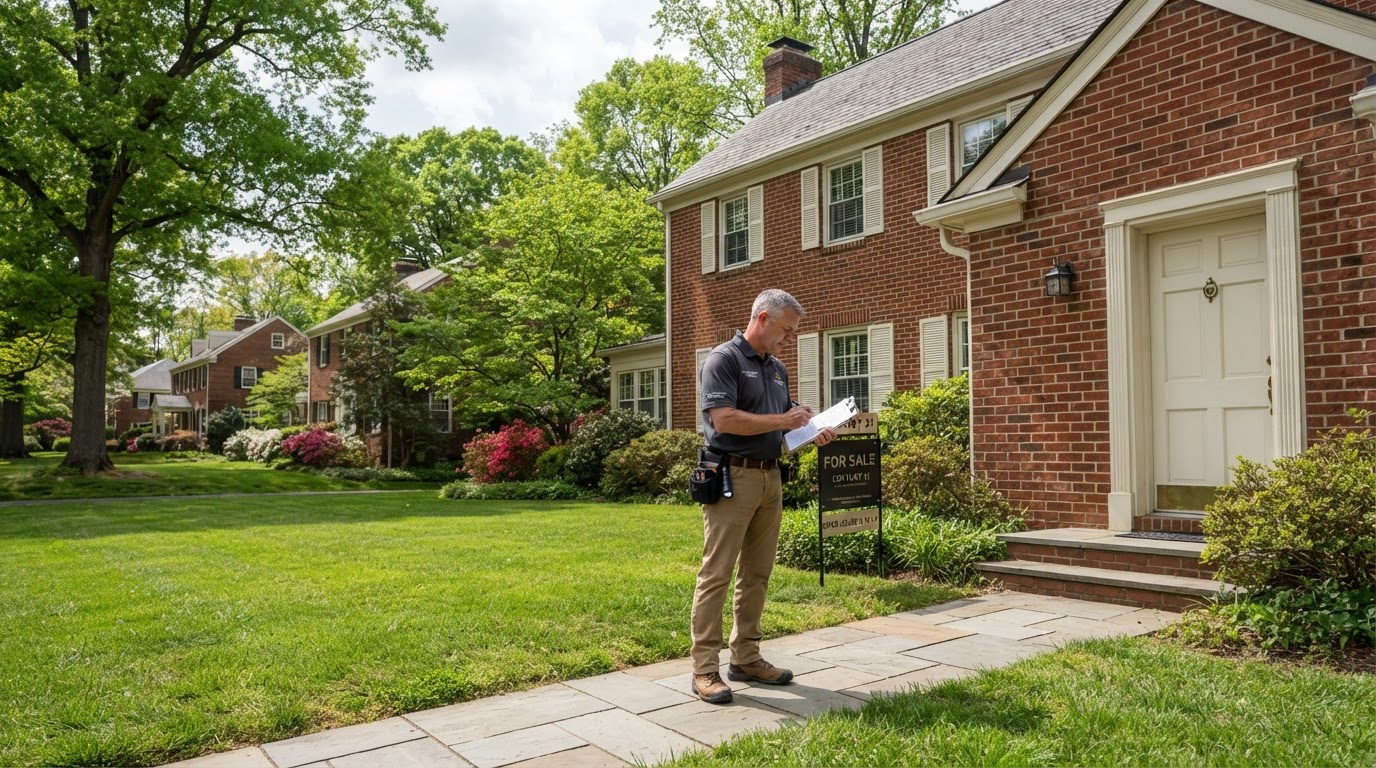
Before you close on a Maryland home, a mold inspection can reveal hidden moisture issues that a standard home inspection might miss.
Testing & Inspection
Understanding the Mold Inspection Process in Maryland
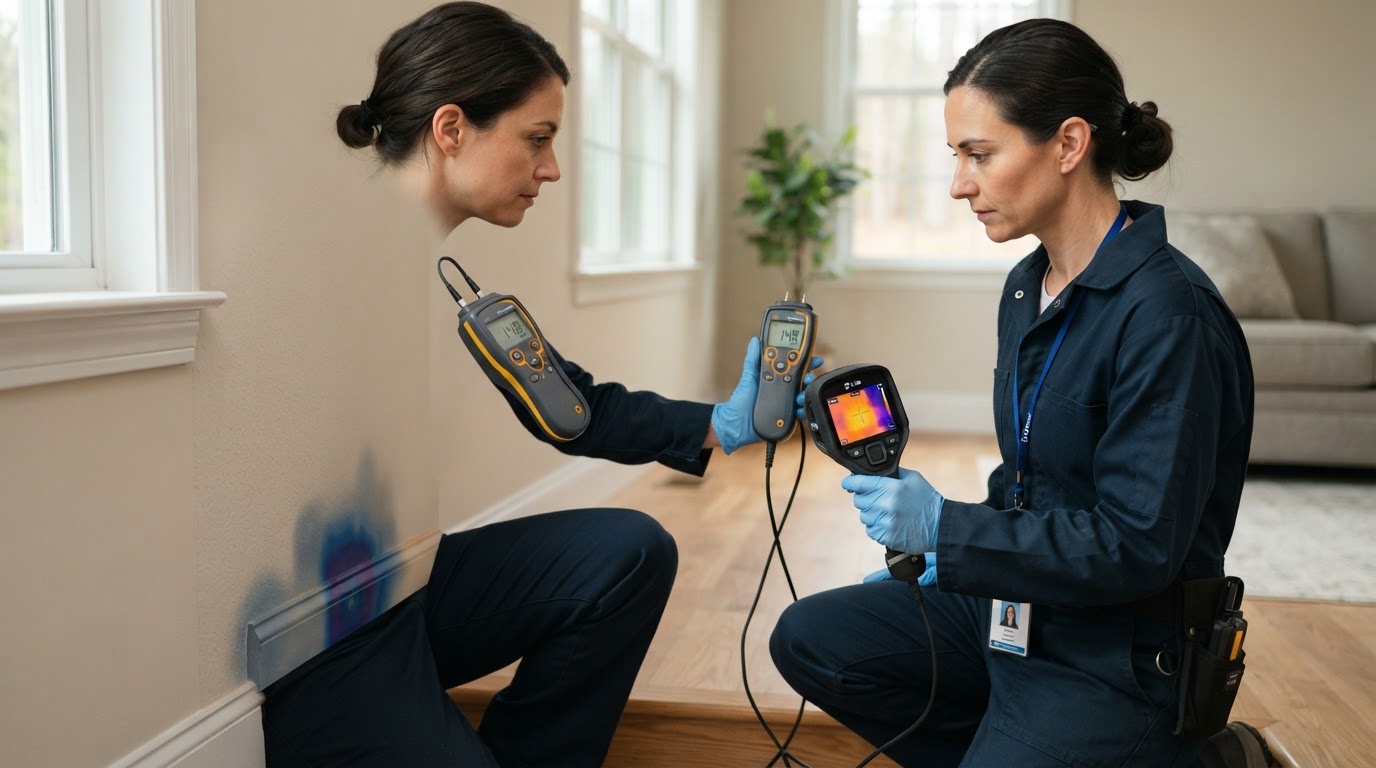
From the first phone call to the final report, here is what actually happens during a professional mold inspection in a Maryland home.


Service areas we cover
MD Mold Testing serves Baltimore, Rockville & Washington, D.C. and communities across Maryland, Washington D.C., Northern Virginia, and Delaware.
Not ready to schedule? Get our free guide.
Download The Ultimate Guide to a Mold-Free, Healthy Maryland Home and subscribe to the Maryland Healthy Home Newsletter for weekly homeowner tips.
MD Mold Testing
For professional hazardous lead testing in Baltimore, Rockville & Washington, D.C. and across Maryland, Washington D.C., Northern Virginia, and Delaware, our featured local provider is MD Mold Testing. Best Mold Testing Maryland is an independent educational resource — we do not perform inspections ourselves.