Asbestos Testing & Inspection in Maryland & the Greater D.C. Region
Asbestos inspection and bulk material sampling — identifying whether building materials contain asbestos before renovation, demolition, or a real estate transaction on a pre-1980s property.
What is asbestos testing and inspection?
Asbestos testing and inspection identifies whether building materials contain asbestos — a hazardous mineral fiber once widely used in insulation, flooring, roofing, and other building materials. Asbestos is not banned from all uses and remains present in many pre-1980s buildings. Disturbing asbestos-containing materials during renovation or demolition releases fibers that, when inhaled, can cause serious lung disease. Testing identifies whether materials contain asbestos before they are disturbed, so the work can be planned safely. MD Mold Testing provides asbestos testing and inspection throughout Maryland, Washington D.C., Northern Virginia, and Delaware.
Asbestos testing and inspection is the identification of asbestos-containing materials in a building. Asbestos is a naturally occurring mineral fiber that was widely used in building materials for its heat resistance, strength, and insulating properties — in vinyl floor tile and mastic, popcorn ceiling texture, joint compound, boiler and pipe insulation, roofing materials, cement board, and siding. While many uses have been restricted, asbestos is not banned from all applications, and it remains present in many buildings constructed before the 1980s. The hazard arises when asbestos-containing materials are disturbed — cut, sanded, broken, or demolished — releasing fibers into the air that, when inhaled, can cause asbestosis, lung cancer, and mesothelioma. The inspection surveys the building for suspect materials based on its age and construction, and bulk samples of suspect materials are collected using safe, controlled techniques. An accredited laboratory analyzes the samples by polarized light microscopy (PLM), which identifies whether asbestos is present, what type (chrysotile, amosite, crocidolite, etc.), and the percentage. The report documents which materials contain asbestos, their locations, and recommendations for abatement (removal), encapsulation, or management in place. MD Mold Testing performs the inspection and sampling; the accredited lab performs the PLM analysis.
Why is asbestos testing and inspection important?
Baltimore, D.C., and the Maryland and Northern Virginia suburbs have a large stock of pre-1980s buildings where asbestos-containing materials are common — in floor tile, mastic, popcorn ceilings, boiler and pipe insulation, roofing, and joint compound. Renovation and demolition of these older buildings routinely requires asbestos inspection and sampling to identify hazards before work begins. The region's active real estate and renovation market makes asbestos testing a frequent need.
Asbestos is a serious health hazard, but it is only hazardous when disturbed — intact, undisturbed asbestos-containing materials generally do not release fibers. The risk arises during renovation and demolition, when materials are cut, broken, or removed. Without testing, a renovation or demolition can release asbestos fibers into the air of the building and expose workers and occupants to a known cause of asbestosis, lung cancer, and mesothelioma — diseases that develop years or decades after exposure. Testing identifies which materials contain asbestos before any work begins, so the work can be planned safely: asbestos-containing materials can be abated by a licensed contractor before the renovation proceeds, or managed in place if they are intact and will not be disturbed. For a real estate transaction, an asbestos inspection identifies what an older property contains so the buyer knows what they are purchasing and can plan accordingly. In the Mid-Atlantic, where the large stock of pre-1980s buildings means asbestos-containing materials are common, and where renovation and demolition are routine, asbestos testing is the assessment that prevents a renovation from becoming an exposure event. It is the difference between planning around a known hazard and discovering it after the fibers are already in the air.
Featured Local Provider
Schedule asbestos testing and inspection with MD Mold Testing
Serving Baltimore, Rockville & Washington, D.C. and the greater Mid-Atlantic region.
Warning signs to watch for
- You are renovating or demolishing a pre-1980s building
- A real estate transaction involves an older property
- You see suspect materials — popcorn ceilings, 9x9 floor tile, old pipe insulation
- A renovation plan or permit requires asbestos inspection
- You are buying an older home and want to know what it contains
When should you schedule this service?
- Renovation or demolition of a pre-1980s building
- A real estate transaction involving an older property
- Suspect materials (popcorn ceilings, old floor tile, pipe insulation) are present
- A renovation plan or permit requires asbestos inspection
- You want to identify asbestos-containing materials before planning work
What does professional testing involve?
Here's how MD Mold Testing typically approaches asbestos testing and inspection across Baltimore, Rockville & Washington, D.C..
Building & material survey
We survey the building for suspect asbestos-containing materials — flooring, ceiling finishes, insulation, roofing, joint compound, siding — based on the building's age and construction.
Bulk sample collection
Samples of suspect materials are collected using safe, controlled techniques, labeled by location and material type.
PLM laboratory analysis
An accredited lab analyzes the samples by polarized light microscopy (PLM) to determine whether asbestos is present and, if so, what type and percentage.
Inspection report
A report documents which materials contain asbestos, their locations, and recommendations for abatement, management, or safe handling during renovation.
Asbestos inspection surveys the building for suspect materials, collects bulk samples safely, and an accredited lab analyzes them by PLM. The report documents which materials contain asbestos and recommends abatement or management. For professional asbestos testing, call MD Mold Testing at (301) 717-1454.
Asbestos testing and inspection is appropriate before renovation or demolition of a pre-1980s building, during a real estate transaction involving an older property, when suspect materials are present, when a renovation plan or permit requires it, and to identify asbestos-containing materials before planning any work that may disturb them.
What can testing results tell you?
The asbestos inspection report documents, for each sampled material: the material type, its location, whether asbestos was detected, the type(s) of asbestos identified (chrysotile, amosite, etc.), and the percentage. Materials reported as containing asbestos require careful handling: for renovation or demolition, abatement by a licensed asbestos contractor before the work proceeds; for intact materials that will not be disturbed, management in place with periodic monitoring may be appropriate. Materials reported as non-asbestos can be handled as ordinary construction waste (subject to local regulations). The report also identifies suspect materials that were not sampled (such as inaccessible areas) and recommends further assessment if they will be disturbed. The report is environmental documentation of the building's asbestos-containing materials, not a medical assessment of exposure risk — for health concerns related to known or suspected asbestos exposure, consult a healthcare provider.
Featured Local Provider
Schedule asbestos testing and inspection with MD Mold Testing
Serving Baltimore, Rockville & Washington, D.C. and the greater Mid-Atlantic region.
The cost of asbestos testing depends on the number of suspect materials sampled, the building's size and complexity, and the number of samples analyzed. A focused inspection of specific materials costs less than a comprehensive survey of an entire building. Contact MD Mold Testing at (301) 717-1454 for a quote based on your project.
A common mistake is assuming that a building is too new to contain asbestos — while many uses were restricted, asbestos is not banned from all applications, and materials through the 1980s and beyond may contain it. Another is disturbing suspect materials without testing first; the hazard arises during disturbance, and testing beforehand is the only way to know whether abatement is needed. A third is assuming that intact asbestos must always be removed; if materials are in good condition and will not be disturbed, management in place may be appropriate and less disruptive than abatement. Finally, attempting to remove asbestos without a licensed contractor is dangerous and may violate regulations; abatement requires specialized containment, equipment, and disposal procedures.
Asbestos sampling is not a DIY task. Collecting bulk samples safely requires controlled techniques that minimize fiber release, and the analysis requires an accredited laboratory with PLM capability. Consumer test kits for asbestos exist but do not provide the accredited, defensible results that a renovation plan, a permit, or a property transaction requires. For any project where asbestos-containing materials may be disturbed, professional inspection and accredited lab analysis is the only reliable path — and abatement, if needed, must be performed by a licensed asbestos contractor.
Why asbestos testing and inspection matters in the Mid-Atlantic
Pre-1980s buildings across Baltimore, D.C., and the Maryland suburbs commonly contain asbestos in floor tile, popcorn ceilings, pipe insulation, and joint compound.
Renovation and demolition of older buildings routinely require asbestos inspection before work begins.
The region's active real estate and renovation market makes asbestos testing a frequent need for transactions and project planning.
A local, independent testing specialist
MD Mold Testing is our featured local provider for asbestos testing and inspection across Maryland, Washington D.C., Northern Virginia, and Delaware. They understand the region's pre-1980s building stock and the common asbestos-containing materials it contains, and they use accredited PLM laboratory analysis for defensible results. Contact MD Mold Testing at (301) 717-1454 or visit https://www.mdmoldtesting.com/ to schedule asbestos testing.
Frequently asked questions about asbestos testing and inspection
What is asbestos testing?+
Asbestos testing identifies whether building materials contain asbestos. An inspection surveys the building for suspect materials, bulk samples are collected safely, and an accredited lab analyzes them by PLM to determine presence, type, and percentage.
When should I test for asbestos?+
Before renovating or demolishing a pre-1980s building, during a real estate transaction involving an older property, and when suspect materials (popcorn ceilings, 9x9 floor tile, old pipe insulation) are present and may be disturbed.
How much does asbestos testing cost in Maryland?+
Costs depend on the number of suspect materials sampled, the building's size, and the number of samples. Contact MD Mold Testing at (301) 717-1454 for a quote based on your project.
Is asbestos banned?+
Many uses are restricted, but asbestos is not banned from all applications. Materials through the 1980s and beyond may contain asbestos, so age alone does not rule it out. Testing is the only way to know.
What if asbestos is found?+
The report documents which materials contain asbestos and their locations. For renovation or demolition, abatement by a licensed asbestos contractor is required before work proceeds. For intact, undisturbed materials, management in place may be appropriate.
Can I remove asbestos myself?+
No. Asbestos abatement requires specialized containment, equipment, and disposal procedures, and must be performed by a licensed asbestos contractor. Disturbing asbestos without proper procedures releases fibers and may violate regulations.
Does asbestos testing help with a real estate transaction?+
Yes. An asbestos inspection identifies what an older property contains so the buyer knows what they are purchasing and can plan for abatement or management. The documented report supports negotiation and informed decision-making.
Related questions from our knowledge base
What does mold smell like?
Mold often produces a distinctive musty, earthy odor, sometimes described as smelling like wet socks or damp leaves. This smell comes from m
Read full answerCan mold cause structural damage to a home?
Yes. Mold feeds on organic materials, and prolonged growth on wood framing, drywall paper, and other building materials can weaken and degra
Read full answerWhat is mold testing and what does it actually involve?
Mold testing is the process of collecting air or surface samples from a home and having them analyzed by a laboratory to identify the types
Read full answerWhen should a Maryland homeowner consider mold testing?
Testing is worth considering after a water event like a roof leak, plumbing leak, or basement flooding; when you smell a persistent musty od
Read full answerIf I can already see mold, do I still need testing?
Not always. The EPA's general guidance is that if visible mold is present, you should address the moisture source and clean or remove the mo
Read full answerWhat is the difference between air sampling and surface sampling?
Air sampling measures the concentration of mold spores in the air at a given moment, usually compared to an outdoor baseline sample. It help
Read full answerFeatured Local Provider
Schedule asbestos testing and inspection with MD Mold Testing
Serving Baltimore, Rockville & Washington, D.C. and the greater Mid-Atlantic region.
Related educational articles

Cost & Timing
How Much Does Mold Testing Cost in Maryland?
Mold testing prices vary based on the scope of the inspection and the size of your home. Here is what influences the cost across Maryland and the DC region.
Testing & Inspection
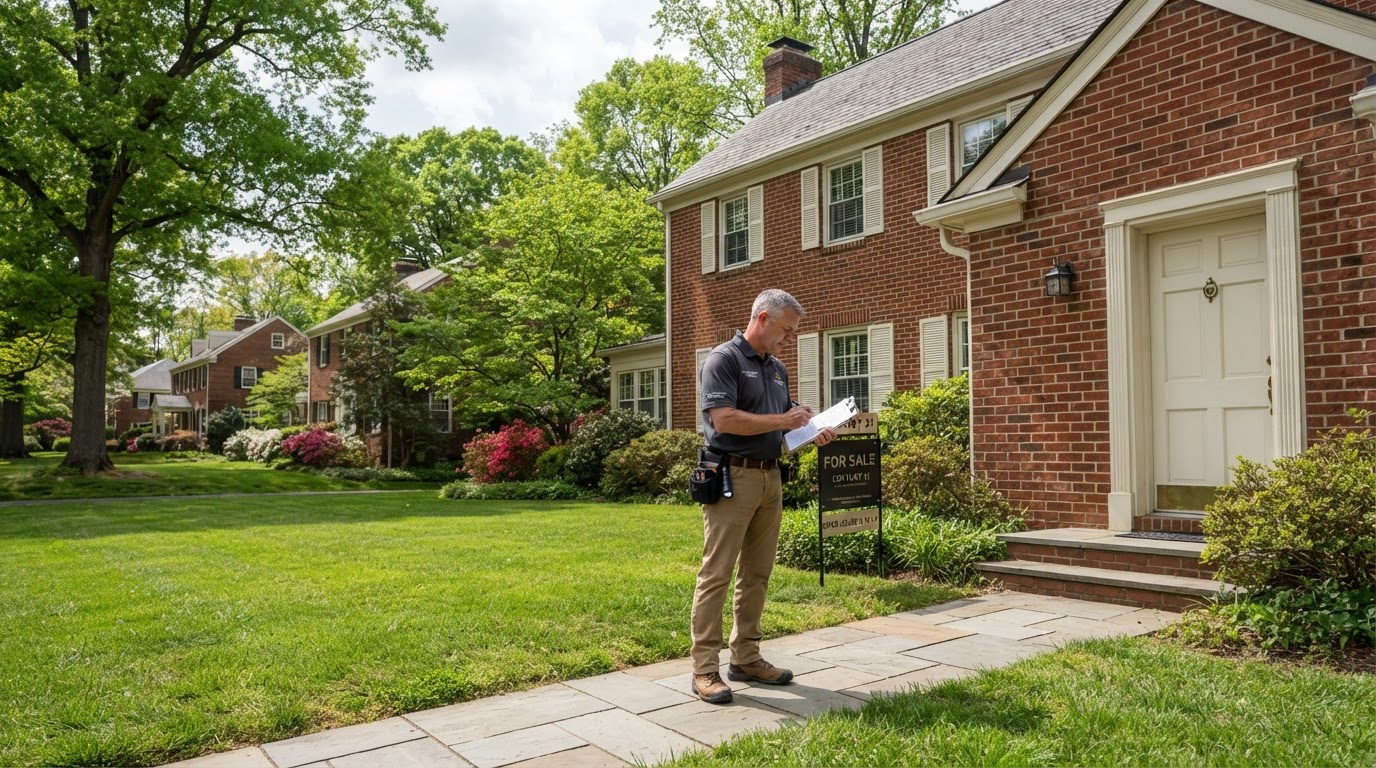
Buying a Home in Maryland? Why Mold Testing Matters
Before you close on a Maryland home, a mold inspection can reveal hidden moisture issues that a standard home inspection might miss.
Testing & Inspection
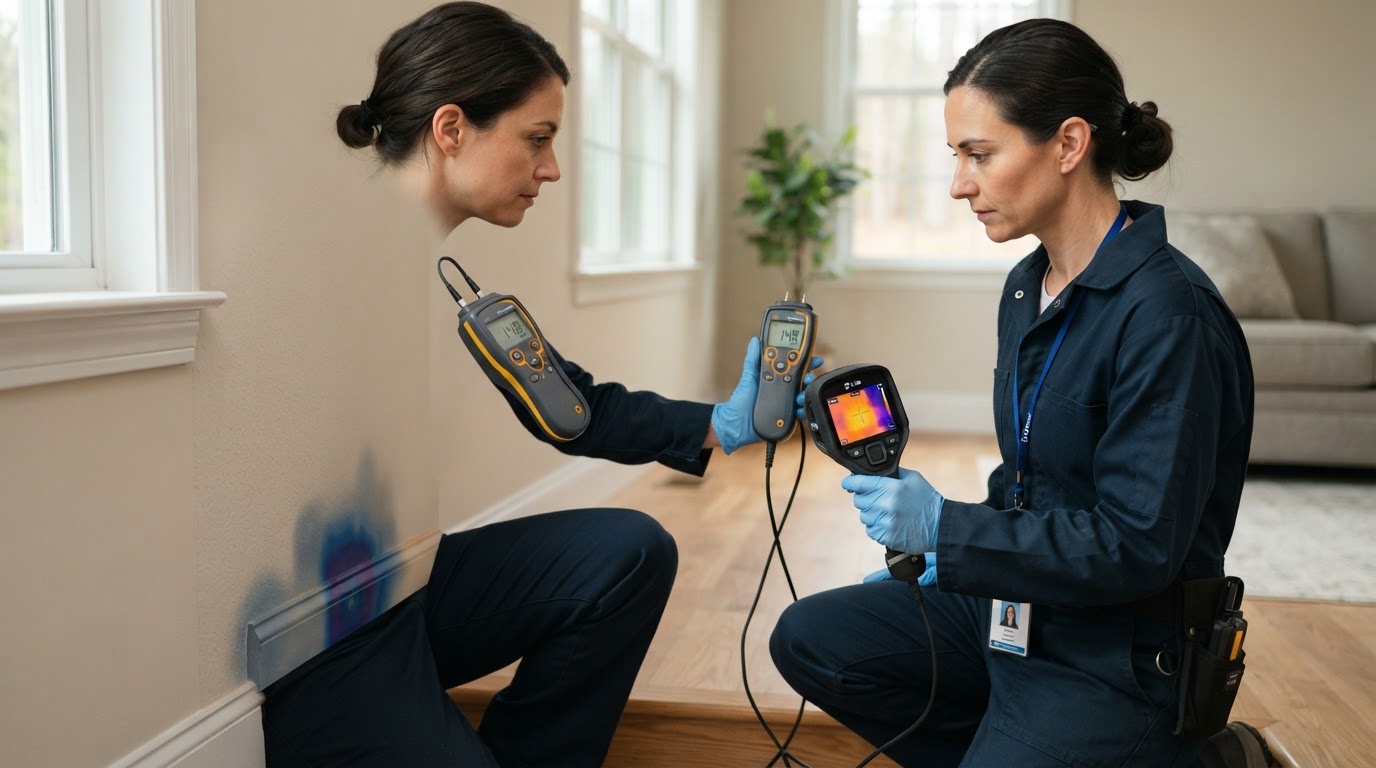
Understanding the Mold Inspection Process in Maryland
From the first phone call to the final report, here is what actually happens during a professional mold inspection in a Maryland home.


Service areas we cover
MD Mold Testing serves Baltimore, Rockville & Washington, D.C. and communities across Maryland, Washington D.C., Northern Virginia, and Delaware.
Not ready to schedule? Get our free guide.
Download The Ultimate Guide to a Mold-Free, Healthy Maryland Home and subscribe to the Maryland Healthy Home Newsletter for weekly homeowner tips.
MD Mold Testing
For professional asbestos testing and inspection in Baltimore, Rockville & Washington, D.C. and across Maryland, Washington D.C., Northern Virginia, and Delaware, our featured local provider is MD Mold Testing. Best Mold Testing Maryland is an independent educational resource — we do not perform inspections ourselves.