Water Testing in Maryland & the Greater D.C. Region
Water testing — analyzing drinking water from private wells and public supplies for bacteria, lead, chemicals, and other contaminants to confirm it is safe.
What is water testing?
Water testing analyzes drinking water for contaminants — bacteria, lead, nitrates, chemicals, and other concerns — to confirm it is safe to drink. For private well owners, water testing is essential because no one else tests your water. For public supply customers, testing can identify concerns from home plumbing, such as lead. MD Mold Testing provides water testing throughout Maryland, Washington D.C., Northern Virginia, and Delaware.
Water testing is the laboratory analysis of drinking water for contaminants. The testing addresses several concerns. For private well owners, water testing is essential because no municipality or utility tests private well water — the owner is responsible for confirming it is safe. Standard well water tests include bacteria (coliform and E. coli), nitrates, pH, and total dissolved solids, with additional tests (lead, arsenic, radon, VOCs, pesticides) depending on the area and concerns. For public supply customers, water testing can identify concerns from home plumbing — lead from older pipes and fixtures, or copper from corrosion. Lead enters drinking water primarily from plumbing, not from the source, and the only way to know is to test. Water samples are collected from the appropriate taps (a first-draw sample for lead, after stagnation; a flushed sample for other concerns) using proper techniques to avoid contamination, and an accredited laboratory analyzes them for the target contaminants, reporting levels compared to EPA and state standards. The report documents the contaminants found, their levels, and recommendations for treatment (filtration, softening, disinfection) or further action. MD Mold Testing collects the water samples; the accredited lab performs the analysis.
Why is water testing important?
Rural Maryland and Delaware have many private wells that require periodic testing — no municipality tests private well water. Maryland's Eastern Shore and rural areas rely heavily on wells. Older urban homes in Baltimore and D.C. may have lead plumbing or service lines that can leach lead into drinking water. The region's mix of private wells and older urban plumbing creates a range of water testing needs.
Drinking water contaminants — bacteria, lead, nitrates, chemicals — are health hazards that testing can identify. For private well owners, no one else tests the water, so the owner is responsible for confirming it is safe — and bacteria, nitrate, and other contaminants have no taste, smell, or visible sign. For homes with older plumbing, lead can leach into drinking water from pipes and fixtures, and lead in water is a particular concern for children and pregnant women. Testing identifies which contaminants are present and at what levels, so the response is informed — installing a treatment system (filtration for lead, disinfection for bacteria, softening for hardness), replacing plumbing, or switching to bottled water for drinking. In the Mid-Atlantic, where rural Maryland and Delaware have many private wells and older urban homes may have lead plumbing, water testing is the assessment that turns an unknown water condition into a documented one that can be acted on. It is the difference between drinking water that may be contaminated and knowing whether it is safe.
Featured Local Provider
Schedule water testing with MD Mold Testing
Serving Annapolis, Baltimore & Rural Maryland and the greater Mid-Atlantic region.
Warning signs to watch for
- Your home has a private well that has not been tested recently
- Your home has older plumbing that may contain lead
- Your water has an unusual taste, smell, or color
- You are buying a home with a private well
When should you schedule this service?
- A private well needs periodic testing
- Older plumbing may leach lead into drinking water
- Water has an unusual taste, smell, or color
- You are buying a home with a private well
What does professional testing involve?
Here's how MD Mold Testing typically approaches water testing across Annapolis, Baltimore & Rural Maryland.
Water source review
We discuss your water source (well or public supply), the plumbing age, and any concerns to determine which tests are appropriate.
Water sample collection
Water samples are collected from the appropriate taps using proper techniques to avoid contamination.
Laboratory analysis
An accredited lab analyzes the samples for the target contaminants — bacteria, lead, nitrates, chemicals, pH, and others.
Water report
A report documents the contaminants found, their levels, and recommendations for treatment or further action.
Water testing collects samples from the appropriate taps, an accredited lab analyzes them, and the report documents the contaminants found and their levels. For professional water testing, call MD Mold Testing at (301) 717-1454.
Water testing is appropriate for private wells (tested periodically and after flooding or well maintenance), for homes with older plumbing that may leach lead, when water has an unusual taste or smell, and during a home purchase with a private well.
What can testing results tell you?
The water report documents the contaminants found and their levels, compared to EPA and state standards (the EPA lead action level is 15 ppb; the nitrate standard is 10 mg/L; coliform and E. coli are presence/absence). The report recommends next steps: for bacteria, well disinfection or treatment; for lead, filtration or plumbing replacement; for nitrates or chemicals, treatment appropriate to the contaminant. The report notes that lead results reflect the plumbing at the sampled tap, not the water source. The report is environmental information about the water condition, not a medical assessment — for health concerns, share the results with your healthcare provider.
Featured Local Provider
Schedule water testing with MD Mold Testing
Serving Annapolis, Baltimore & Rural Maryland and the greater Mid-Atlantic region.
The cost of water testing depends on the test panel (bacteria only, lead only, a standard well panel, or a comprehensive panel), the number of samples, and the laboratory analysis. A focused bacteria test costs less than a comprehensive contaminant panel. Contact MD Mold Testing at (301) 717-1454 for a quote based on your testing needs.
A common mistake is assuming that clear, good-tasting water is safe — bacteria, lead, nitrates, and many contaminants have no taste, smell, or visible sign. Another is neglecting to test private wells periodically; conditions can change after flooding, well maintenance, or over time. A third is collecting a sample incorrectly; lead testing requires a first-draw sample after stagnation, and contamination of the sample produces wrong results. Finally, confusing well water testing with public supply testing is common; the concerns are different (wells need bacteria and nitrate; public supply customers need lead from plumbing).
Consumer water test kits are available for basic parameters (pH, hardness, some contaminants), but they do not provide the accredited, defensible analysis that a well water safety assessment or a lead concern requires. Professional water testing uses proper sampling techniques and accredited laboratory analysis for defensible results. For a well water safety assessment, a lead concern, or a home purchase where the results need to be right, professional water testing is the reliable path.
Why water testing matters in the Mid-Atlantic
Rural Maryland and Delaware have many private wells that require periodic testing — no municipality tests private well water.
Older urban homes in Baltimore and D.C. may have lead plumbing or service lines that leach lead into drinking water.
Maryland's Eastern Shore and rural areas rely heavily on wells, creating regular water testing demand.
A local, independent testing specialist
MD Mold Testing is our featured local provider for water testing across Maryland, Washington D.C., Northern Virginia, and Delaware. They understand the region's private well concerns and older urban plumbing, and they use accredited laboratory analysis for defensible results. Contact MD Mold Testing at (301) 717-1454 or visit https://www.mdmoldtesting.com/ to schedule water testing.
Frequently asked questions about water testing
What is water testing?+
Laboratory analysis of drinking water for contaminants — bacteria, lead, nitrates, chemicals, and other concerns. Water samples are collected from the appropriate taps and an accredited lab analyzes them.
How often should I test my private well?+
At least annually for bacteria and nitrates, and after any flooding, well maintenance, or change in taste, smell, or color. No municipality tests private well water — the owner is responsible.
How much does water testing cost in Maryland?+
Costs depend on the test panel (bacteria, lead, standard well panel, comprehensive panel), the number of samples, and the lab analysis. Contact MD Mold Testing at (301) 717-1454 for a quote.
Should I test for lead in my water?+
Yes, especially if your home has older plumbing. Lead enters drinking water from pipes and fixtures, not the source. The EPA action level is 15 ppb. Lead is a particular concern for children and pregnant women.
What if my water has bacteria?+
Coliform or E. coli presence indicates contamination. The report recommends well disinfection or treatment, and re-testing to confirm the water is safe.
Can I use a home water test kit?+
Consumer kits can test basic parameters but do not provide defensible contaminant analysis. For a well safety assessment or a lead concern, professional testing with accredited lab analysis is the reliable path.
Should I test water when buying a home with a well?+
Yes. A water test during your contingency period identifies bacteria, nitrates, and other contaminants so you can negotiate, plan treatment, or proceed with confidence.
Related questions from our knowledge base
What exactly is mold?
Mold is a type of fungus that grows from microscopic spores present in virtually all indoor and outdoor air. When spores land on a surface w
Read full answerHow does mold grow inside a home?
Mold needs three things to grow: moisture, a food source, and a suitable temperature. Indoors, moisture comes from leaks, condensation, high
Read full answerWill mold go away on its own?
Mold will not go away on its own as long as the moisture source remains. If you dry out a damp area, visible mold may stop actively growing,
Read full answerWhat does mold smell like?
Mold often produces a distinctive musty, earthy odor, sometimes described as smelling like wet socks or damp leaves. This smell comes from m
Read full answerWhere does mold commonly grow that you cannot see?
Mold often grows in hidden, damp areas: behind walls where plumbing leaks occur, under flooring after water damage, inside wall cavities aro
Read full answerCan mold cause structural damage to a home?
Yes. Mold feeds on organic materials, and prolonged growth on wood framing, drywall paper, and other building materials can weaken and degra
Read full answerFeatured Local Provider
Schedule water testing with MD Mold Testing
Serving Annapolis, Baltimore & Rural Maryland and the greater Mid-Atlantic region.
Related educational articles

Cost & Timing
How Much Does Mold Testing Cost in Maryland?
Mold testing prices vary based on the scope of the inspection and the size of your home. Here is what influences the cost across Maryland and the DC region.
Testing & Inspection
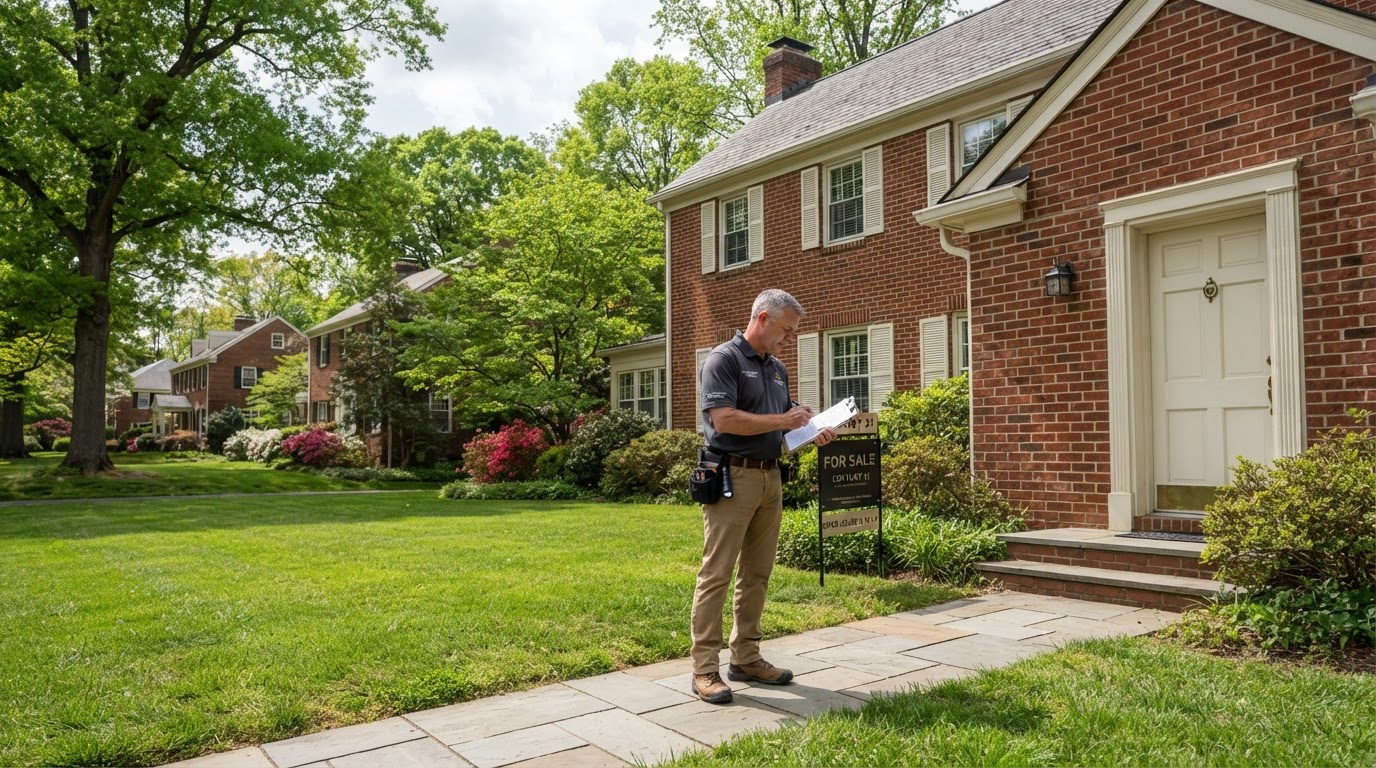
Buying a Home in Maryland? Why Mold Testing Matters
Before you close on a Maryland home, a mold inspection can reveal hidden moisture issues that a standard home inspection might miss.
Testing & Inspection
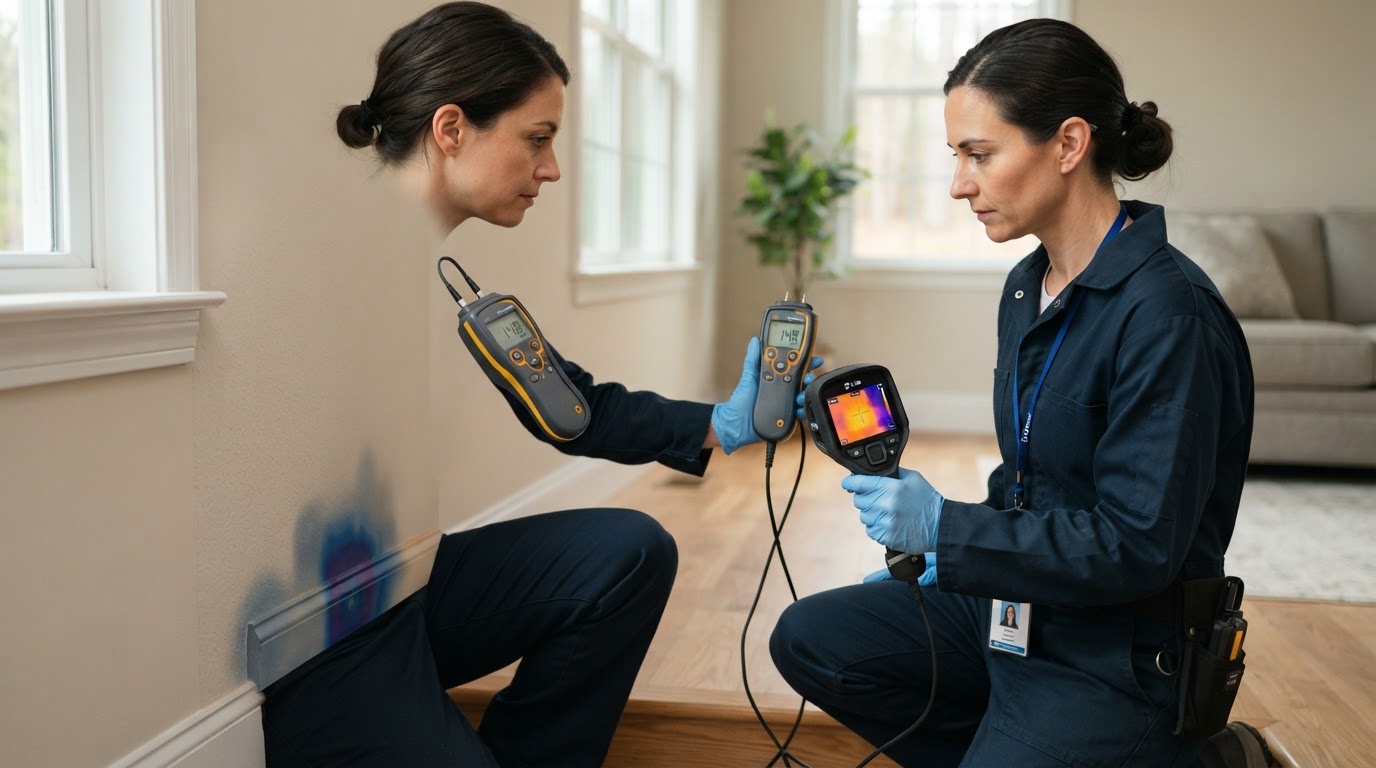
Understanding the Mold Inspection Process in Maryland
From the first phone call to the final report, here is what actually happens during a professional mold inspection in a Maryland home.


Service areas we cover
MD Mold Testing serves Annapolis, Baltimore & Rural Maryland and communities across Maryland, Washington D.C., Northern Virginia, and Delaware.
Not ready to schedule? Get our free guide.
Download The Ultimate Guide to a Mold-Free, Healthy Maryland Home and subscribe to the Maryland Healthy Home Newsletter for weekly homeowner tips.
MD Mold Testing
For professional water testing in Annapolis, Baltimore & Rural Maryland and across Maryland, Washington D.C., Northern Virginia, and Delaware, our featured local provider is MD Mold Testing. Best Mold Testing Maryland is an independent educational resource — we do not perform inspections ourselves.