Bacteria & Virus Testing in Maryland & the Greater D.C. Region
Testing for airborne and surface bacteria and viruses — including Legionella, E. coli, and coliform bacteria — to assess biological contamination after water damage, sewage backup, or a health concern.
What is bacteria/virus testing?
Bacteria and virus testing assesses biological contamination in a building — in the air, on surfaces, or in water. Common concerns include Legionella bacteria (which can grow in stagnant water systems and cooling towers), coliform and E. coli bacteria (indicators of sewage or water contamination), and surface bacterial contamination after a sewage backup, flooding, or a health concern. Biological testing identifies what organisms are present and at what levels, so appropriate cleaning, disinfection, or remediation can be planned. MD Mold Testing provides bacteria and virus testing throughout Maryland, Washington D.C., Northern Virginia, and Delaware.
Bacteria and virus testing is the assessment of biological contamination in a building. It can sample air (for airborne bacteria and bioaerosols), surfaces (for bacterial contamination after sewage backup or flooding), and water (for waterborne bacteria including Legionella, coliform, and E. coli). Common concerns include Legionella bacteria, which can grow in stagnant or warm water systems — cooling towers, hot water tanks, decorative fountains, and plumbing that has been stagnant (such as in a vacant building or after plumbing repairs) — and which can cause Legionnaires' disease when inhaled in aerosolized water droplets. Coliform and E. coli bacteria are indicators of sewage or fecal contamination, relevant after a sewage backup, a flood that carried contamination, or in private well water. Surface testing can assess bacterial loads on surfaces after a contamination event to guide disinfection. Sampling uses sterile media and techniques appropriate to the organism and the sample type (air, surface, or water), and an accredited laboratory cultures and/or uses molecular methods (such as PCR) to identify and quantify the organisms present. The report presents what was found, at what levels, and recommends disinfection, remediation, or further action as appropriate.
Why is bacteria/virus testing important?
Maryland and the D.C. metro area see heavy thunderstorms and tropical moisture that can cause flooding and sewage backups, particularly in older urban infrastructure in Baltimore and D.C. Stagnant water in unused plumbing lines, cooling systems, and water features during the region's hot, humid summers creates conditions for Legionella growth. The region's mix of older infrastructure and humid climate makes biological contamination testing relevant after flooding, sewage events, or when a health concern points to a biological source.
Biological contamination is a concern that mold testing alone does not address. After a sewage backup or a flood that carried contamination, the building may harbor bacteria that pose a direct health risk — and those bacteria are not captured by mold air sampling. Legionella, in particular, is a concern in buildings with complex water systems or cooling towers, especially after stagnation (such as a building that was vacant, or plumbing that was unused during renovations). Private wells, common in rural Maryland and Delaware, require regular bacterial testing because contamination can occur without any visible sign. For a family with unexplained illness that may be linked to a building's water or air systems, biological testing can identify a source that mold testing or a standard home inspection would not. The value of testing is turning a biological hazard — invisible, odorless in many cases — into a known profile that guides the response: disinfection, remediation, water system flushing and treatment, or further investigation. In the Mid-Atlantic, where flooding, sewage backups, and hot humid summers that create Legionella conditions are all common, biological testing is the assessment that closes the gap between 'is there mold?' and 'is this building safe from biological contamination?'
Featured Local Provider
Schedule bacteria/virus testing with MD Mold Testing
Serving Baltimore, Rockville & Washington, D.C. and the greater Mid-Atlantic region.
Warning signs to watch for
- A sewage backup or flooding event affected the home
- Unexplained illness potentially linked to indoor water or air systems
- Stagnant water in unused plumbing, cooling systems, or water features
- A well or water system shows signs of bacterial contamination
- Concern about Legionella in a building with a cooling tower or complex water system
When should you schedule this service?
- A sewage backup or flood introduced biological contaminants
- A family member has unexplained illness potentially linked to the building
- Stagnant water in plumbing or cooling systems raises Legionella concern
- A private well shows indicators of bacterial contamination
- You need documented biological conditions for a property transaction or insurer
What does professional testing involve?
Here's how MD Mold Testing typically approaches bacteria/virus testing across Baltimore, Rockville & Washington, D.C..
Source & situation review
We discuss the event (flood, sewage backup, health concern), the water systems, and the areas of concern to plan sampling.
Sample collection
Air, surface, and/or water samples are collected using sterile media and techniques appropriate to the organism of concern.
Laboratory analysis
An accredited laboratory cultures and/or uses molecular methods to identify and quantify the bacteria or viruses present.
Findings report
A report presents the organisms found, their concentrations, and recommendations for disinfection, remediation, or further action.
Biological testing collects air, surface, and/or water samples using sterile methods, an accredited lab identifies and quantifies the organisms present, and the report presents findings with recommendations. For a professional assessment, call MD Mold Testing at (301) 717-1454.
Bacteria and virus testing is appropriate after a sewage backup or flooding that introduced biological contaminants, when unexplained illness may be linked to a building's water or air systems, when stagnant water raises Legionella concern, for private well water testing, and when documented biological conditions are needed for a transaction or insurer.
What can testing results tell you?
The biological testing report presents the organisms identified in each sample (air, surface, or water), their concentrations or presence/absence, and available reference standards or guidelines. For water samples, results are compared to drinking water standards (for coliform and E. coli, the standard is presence/absence — any detection is a concern). For Legionella, results are interpreted against guidelines for building water systems. For surface samples, bacterial counts are compared to guidelines for surface contamination. The report recommends the appropriate response: for sewage backup, professional cleaning and disinfection of affected areas; for Legionella, water system remediation (flushing, disinfection, and addressing stagnation); for well water contamination, well treatment and resampling. Results are environmental information about the building's biological condition; for health concerns, share the report with your healthcare provider, and for waterborne illness, consult your local health department.
Featured Local Provider
Schedule bacteria/virus testing with MD Mold Testing
Serving Baltimore, Rockville & Washington, D.C. and the greater Mid-Atlantic region.
The cost of bacteria and virus testing depends on the type of testing (air, surface, water, or Legionella-specific), the number of samples, and the analytical methods (culture vs. molecular). Legionella testing and molecular methods (PCR) typically cost more than standard culture. Contact MD Mold Testing at (301) 717-1454 for a quote based on your situation.
A common mistake is assuming that mold testing after a flood or sewage backup also covers bacterial contamination — it does not; bacteria require separate sampling. Another is overlooking Legionella in buildings that were vacant or had plumbing repairs; stagnant water creates ideal growth conditions, and the risk appears when the system is reactivated. A third is treating a sewage backup with general cleaning rather than professional disinfection; sewage introduces bacteria that require specific cleaning protocols. Finally, for private wells, assuming that 'the water has always been fine' is a mistake; bacterial contamination can occur after flooding, after well maintenance, or from changing groundwater conditions, and regular testing is the only way to know.
Some consumer water test kits for coliform bacteria are available for private well owners and can provide a useful screening signal. However, for air and surface biological contamination, and for Legionella testing, professional sampling with sterile media, defined protocols, and an accredited laboratory is essential. The results need to be defensible for a remediation plan, a health department consultation, or a property transaction — and consumer kits cannot provide that level of analysis. For a sewage backup, a Legionella concern, or a health investigation where the results need to be right, professional biological testing is the reliable path.
Why bacteria/virus testing matters in the Mid-Atlantic
Heavy thunderstorms and tropical moisture can cause flooding and sewage backups in Baltimore and D.C.'s older infrastructure.
Hot, humid summers create conditions for Legionella in stagnant water systems and cooling towers.
Private wells in rural Maryland and Delaware require regular bacterial testing, especially after flooding.
A local, independent testing specialist
MD Mold Testing is our featured local provider for bacteria and virus testing across Maryland, Washington D.C., Northern Virginia, and Delaware. They understand the region's flooding and sewage-backup risks, the Legionella conditions created by hot humid summers and building stagnation, and the well-water testing needs of rural Maryland and Delaware. They use accredited lab analysis for defensible results and can integrate biological testing with a broader environmental assessment. Contact MD Mold Testing at (301) 717-1454 or visit https://www.mdmoldtesting.com/ to schedule bacteria and virus testing.
Frequently asked questions about bacteria/virus testing
What is bacteria and virus testing?+
Biological testing assesses bacterial and viral contamination in a building — in air, on surfaces, or in water. Common concerns include Legionella, coliform and E. coli bacteria, and surface contamination after sewage backup or flooding.
Should I test for bacteria after a sewage backup?+
Yes. Sewage introduces bacteria that pose a direct health risk, and mold testing alone does not capture bacterial contamination. Biological testing identifies what is present and guides professional disinfection of affected areas.
What is Legionella testing?+
Legionella testing checks water systems — cooling towers, hot water tanks, plumbing — for Legionella bacteria, which can grow in stagnant or warm water and cause illness when inhaled in aerosolized droplets. It is a concern in buildings with complex water systems, especially after stagnation.
How much does bacteria and virus testing cost?+
Costs depend on the type of testing (air, surface, water, Legionella-specific), the number of samples, and the analytical method. Contact MD Mold Testing at (301) 717-1454 for a quote.
Should I test my private well for bacteria?+
Yes, regularly. Private wells, common in rural Maryland and Delaware, can become contaminated after flooding, well maintenance, or from changing groundwater conditions. Annual coliform testing is recommended, and testing after any flooding event is prudent.
Does mold testing also test for bacteria?+
No. Mold air sampling captures mold spores, not bacteria. After a sewage backup or flood, separate biological testing is needed to assess bacterial contamination. The two tests answer different questions and may both be appropriate after a contamination event.
Related questions from our knowledge base
What exactly is mold?
Mold is a type of fungus that grows from microscopic spores present in virtually all indoor and outdoor air. When spores land on a surface w
Read full answerHow does mold grow inside a home?
Mold needs three things to grow: moisture, a food source, and a suitable temperature. Indoors, moisture comes from leaks, condensation, high
Read full answerWill mold go away on its own?
Mold will not go away on its own as long as the moisture source remains. If you dry out a damp area, visible mold may stop actively growing,
Read full answerWhat does mold smell like?
Mold often produces a distinctive musty, earthy odor, sometimes described as smelling like wet socks or damp leaves. This smell comes from m
Read full answerWhere does mold commonly grow that you cannot see?
Mold often grows in hidden, damp areas: behind walls where plumbing leaks occur, under flooring after water damage, inside wall cavities aro
Read full answerWhat is mold testing and what does it actually involve?
Mold testing is the process of collecting air or surface samples from a home and having them analyzed by a laboratory to identify the types
Read full answerFeatured Local Provider
Schedule bacteria/virus testing with MD Mold Testing
Serving Baltimore, Rockville & Washington, D.C. and the greater Mid-Atlantic region.
Related educational articles
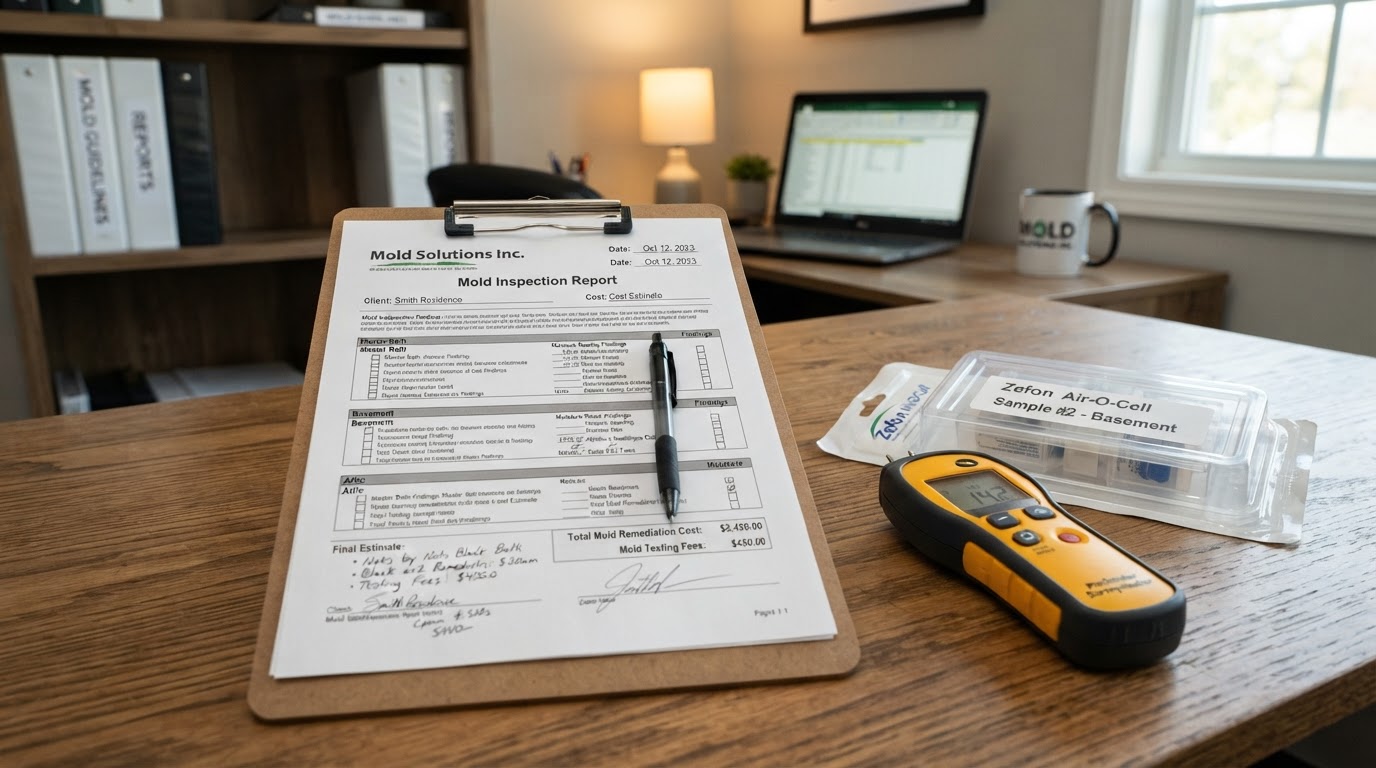
Cost & Timing
How Much Does Mold Testing Cost in Maryland?
Mold testing prices vary based on the scope of the inspection and the size of your home. Here is what influences the cost across Maryland and the DC region.
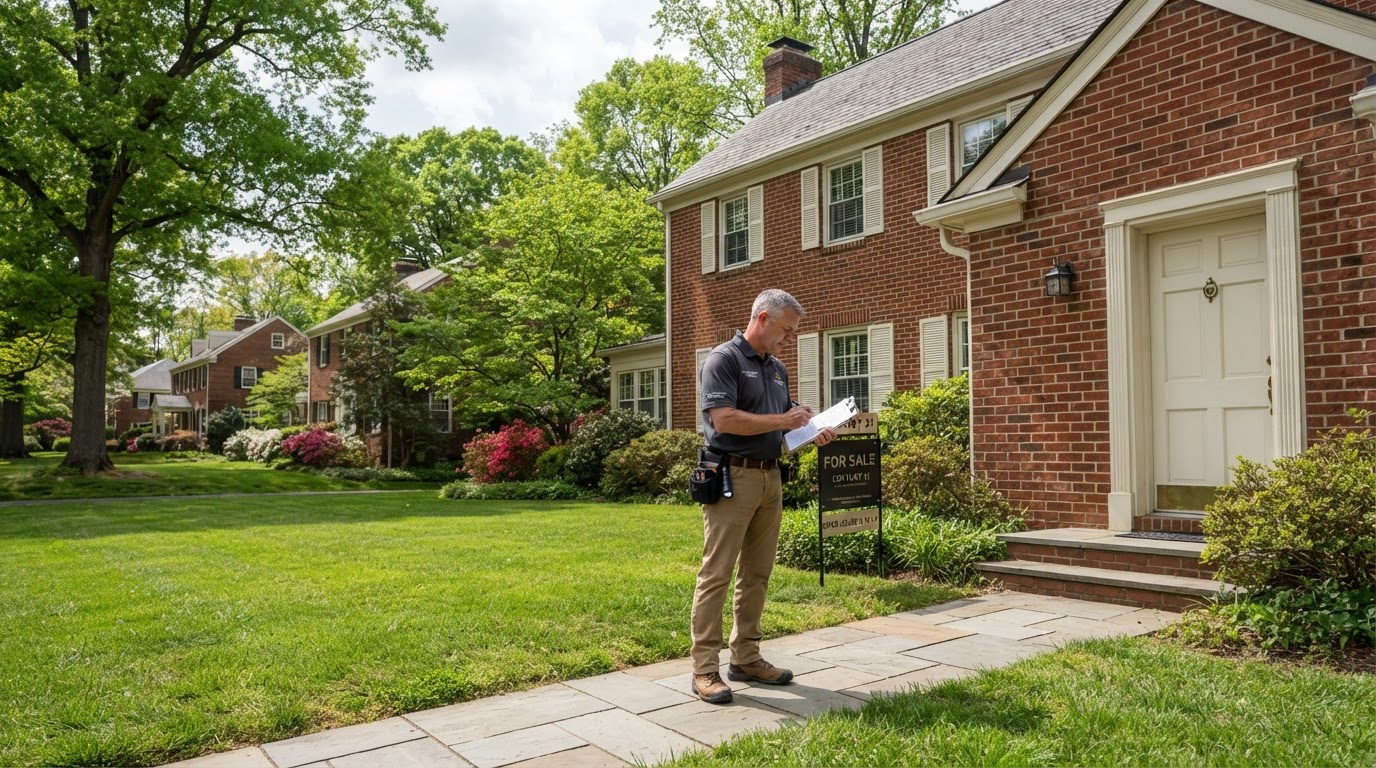
Testing & Inspection
Buying a Home in Maryland? Why Mold Testing Matters
Before you close on a Maryland home, a mold inspection can reveal hidden moisture issues that a standard home inspection might miss.
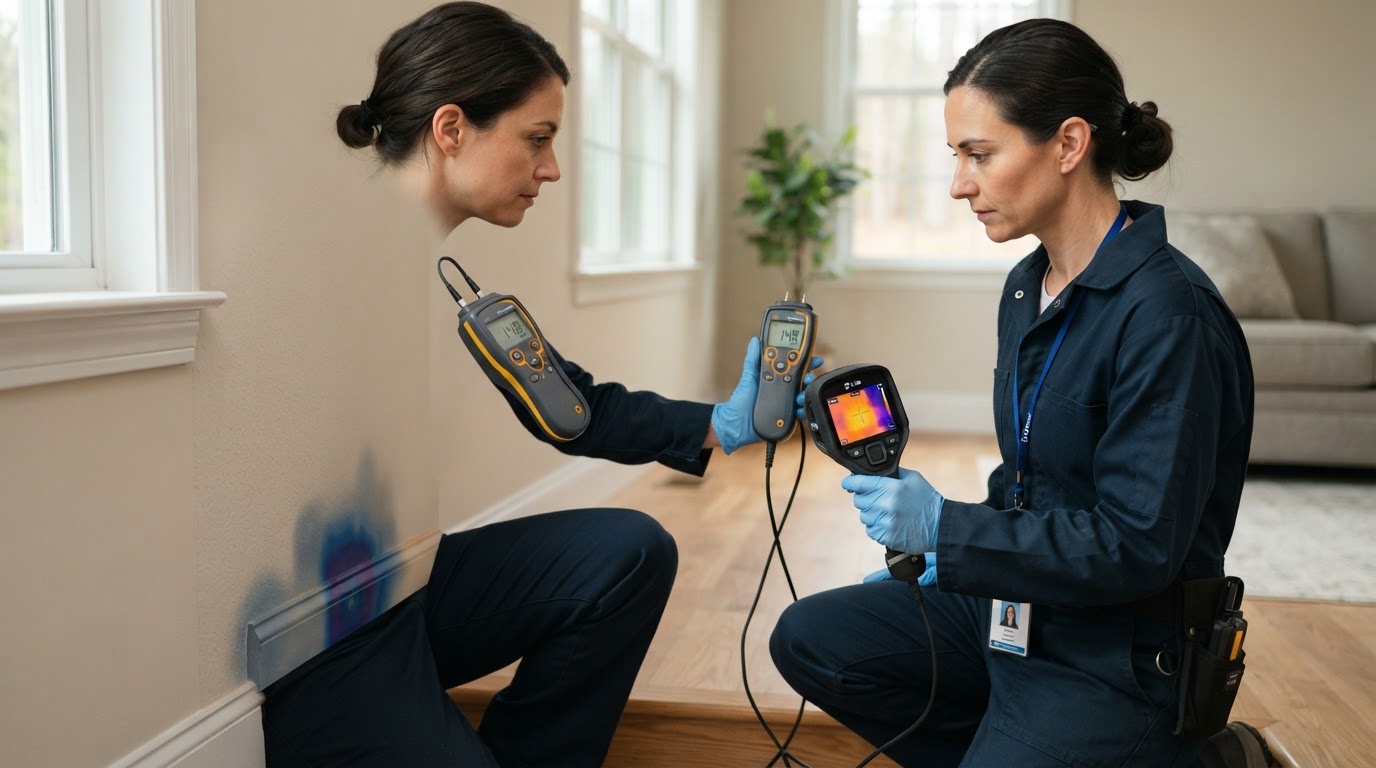
Testing & Inspection
Understanding the Mold Inspection Process in Maryland
From the first phone call to the final report, here is what actually happens during a professional mold inspection in a Maryland home.


Service areas we cover
MD Mold Testing serves Baltimore, Rockville & Washington, D.C. and communities across Maryland, Washington D.C., Northern Virginia, and Delaware.
Not ready to schedule? Get our free guide.
Download The Ultimate Guide to a Mold-Free, Healthy Maryland Home and subscribe to the Maryland Healthy Home Newsletter for weekly homeowner tips.
MD Mold Testing
For professional bacteria/virus testing in Baltimore, Rockville & Washington, D.C. and across Maryland, Washington D.C., Northern Virginia, and Delaware, our featured local provider is MD Mold Testing. Best Mold Testing Maryland is an independent educational resource — we do not perform inspections ourselves.