Mold Testing for Condominiums in Maryland & the D.C. Region
Testing for condos and townhomes where shared walls, stacked plumbing, and common HVAC make moisture travel between units in unexpected ways.
What is mold testing for condominiums?
Condominiums and townhomes have a moisture problem that single-family homes do not: shared structures. A leak in an upstairs unit can wet the ceiling below. Shared plumbing stacks run through multiple floors. Common-area HVAC and roof systems affect every unit they serve. Mold testing for condominiums accounts for that shared reality — because the source of a problem in your unit may not even be in your unit.
Why is mold testing for condominiums important?
The D.C. and Maryland metro has a large concentration of condominiums and townhomes, from high-rise buildings in downtown D.C. and Arlington to garden-style complexes in Bethesda and Silver Spring. Shared plumbing stacks, flat roofs on common structures, and stacked units mean a moisture source one floor up or one wall over can show up as a stain or a musty smell in your home. Identifying whether the source is yours or shared is the first step — and it determines whether the fix is an owner or an association responsibility.
Featured Local Provider
Schedule mold testing for condominiums with MD Mold Testing
Serving Bethesda, Silver Spring & Arlington, VA and the greater Mid-Atlantic region.
Warning signs to watch for
- A ceiling stain that appears below an upstairs unit
- A musty smell with no source inside your unit
- Discoloration on a shared wall
- A leak reported in a neighboring unit
- Water staining after common-area roof or plumbing work
When should you schedule this service?
- A stain appears on a ceiling below another unit
- You share a plumbing stack and a neighbor had a leak
- Common-area roof or HVAC work may have affected your unit
- You are buying a condo and want a moisture assessment
What does professional testing involve?
Here's how MD Mold Testing typically approaches mold testing for condominiums across Bethesda, Silver Spring & Arlington, VA.
Unit & shared-system review
We discuss your unit's position, shared walls and stacks, and any neighboring leaks or common-area work.
Boundary-focused inspection
The inspection focuses on shared walls, ceilings below other units, and plumbing chases where moisture travels between units.
Targeted sampling
Air and surface samples confirm whether an indoor source exists in your unit or points to a shared source.
Source-aware report
The report identifies whether the source is within your unit or shared, which informs whether the fix is yours or an association responsibility.
Condo testing is source-aware. The report distinguishes between a source within your unit and one that is shared or originating elsewhere — which determines whether remediation is an owner or association responsibility. That distinction matters for both the fix and the cost.
Testing is appropriate when a stain or smell appears with no clear source in your unit, after a neighboring leak, after common-area roof or plumbing work, and during a condo purchase. It is informational — it documents conditions and points toward the source.
What can testing results tell you?
Condo testing is source-aware. The report distinguishes between a source within your unit and one that is shared or originating elsewhere — which determines whether remediation is an owner or association responsibility. That distinction matters for both the fix and the cost.
Featured Local Provider
Schedule mold testing for condominiums with MD Mold Testing
Serving Bethesda, Silver Spring & Arlington, VA and the greater Mid-Atlantic region.
Testing is appropriate when a stain or smell appears with no clear source in your unit, after a neighboring leak, after common-area roof or plumbing work, and during a condo purchase. It is informational — it documents conditions and points toward the source.
Testing is appropriate when a stain or smell appears with no clear source in your unit, after a neighboring leak, after common-area roof or plumbing work, and during a condo purchase. It is informational — it documents conditions and points toward the source.
Why mold testing for condominiums matters in the Mid-Atlantic
Stacked plumbing in D.C. and Arlington high-rises means a leak one floor up can wet your ceiling.
Flat roofs on common structures in garden condos pond after heavy thunderstorms and affect multiple units.
Shared walls in Bethesda and Silver Spring townhome complexes allow moisture to travel between units.
A local, independent testing specialist
Condo testing is source-aware. The report distinguishes between a source within your unit and one that is shared or originating elsewhere — which determines whether remediation is an owner or association responsibility. That distinction matters for both the fix and the cost.
Frequently asked questions about mold testing for condominiums
The stain is on my ceiling but I have no leak. What now?+
The source may be in the unit above yours or in a shared plumbing stack. Testing and inspection can determine whether the moisture originated within your unit or elsewhere, which informs whether the fix is yours or an association responsibility.
My neighbor had a leak. Should I test my unit?+
If your unit shares a wall, floor, or plumbing stack with the affected unit, it is prudent to inspect and test. Moisture can travel between units through shared structures.
How do I know if the fix is mine or the association's?+
The report identifies whether the source is within your unit or shared. That distinction, along with your association's governing documents, helps determine responsibility. Start with identifying the source objectively.
Related questions from our knowledge base
What exactly is mold?
Mold is a type of fungus that grows from microscopic spores present in virtually all indoor and outdoor air. When spores land on a surface w
Read full answerHow does mold grow inside a home?
Mold needs three things to grow: moisture, a food source, and a suitable temperature. Indoors, moisture comes from leaks, condensation, high
Read full answerIs all mold dangerous?
Not all mold is dangerous to everyone, but no mold should be allowed to grow indoors. The CDC and EPA emphasize that the type of mold matter
Read full answerWhat types of mold are common in Maryland homes?
Common indoor molds include Aspergillus, Penicillium, Cladosporium, and Stachybotrys (often called 'black mold'). In Maryland's humid climat
Read full answerWhat is the difference between mold and mildew?
Mildew is actually a type of mold that typically grows flat on surfaces, often in bathrooms or on damp fabrics, and is usually white, gray,
Read full answerWill mold go away on its own?
Mold will not go away on its own as long as the moisture source remains. If you dry out a damp area, visible mold may stop actively growing,
Read full answerFeatured Local Provider
Schedule mold testing for condominiums with MD Mold Testing
Serving Bethesda, Silver Spring & Arlington, VA and the greater Mid-Atlantic region.
Related educational articles
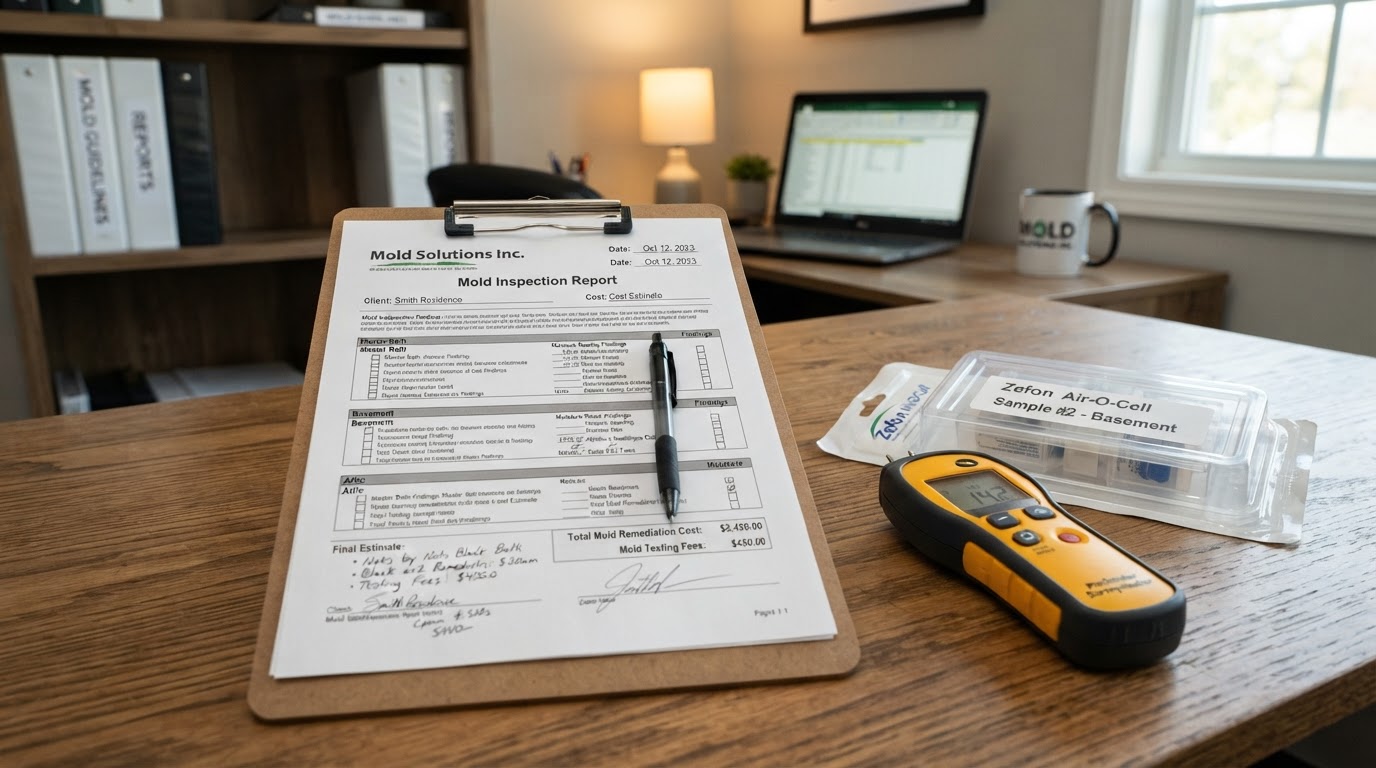
Cost & Timing
How Much Does Mold Testing Cost in Maryland?
Mold testing prices vary based on the scope of the inspection and the size of your home. Here is what influences the cost across Maryland and the DC region.
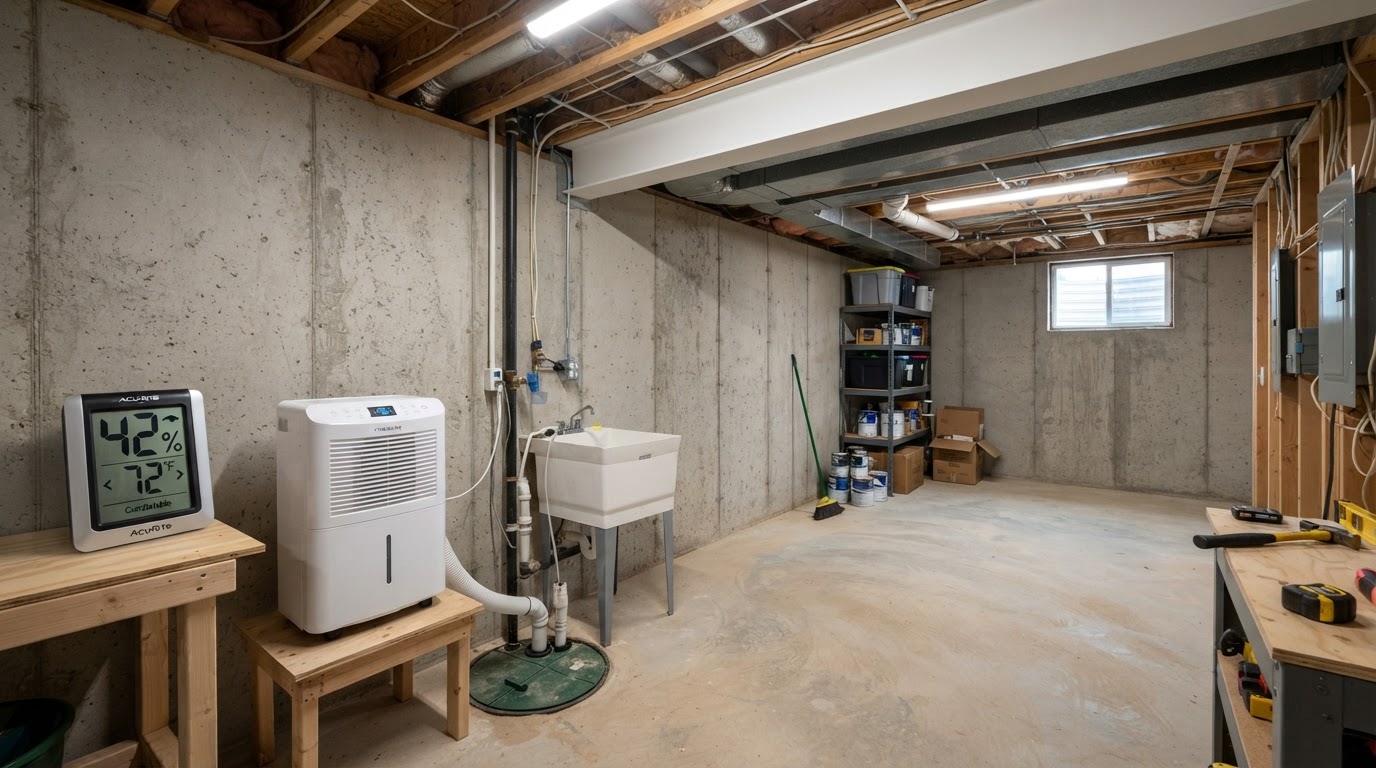
Moisture & Humidity
How to Prevent Mold in Maryland Basements
Basements are the most mold-prone room in a Mid-Atlantic home. Here is how to keep yours dry, ventilated, and mold-free year-round.
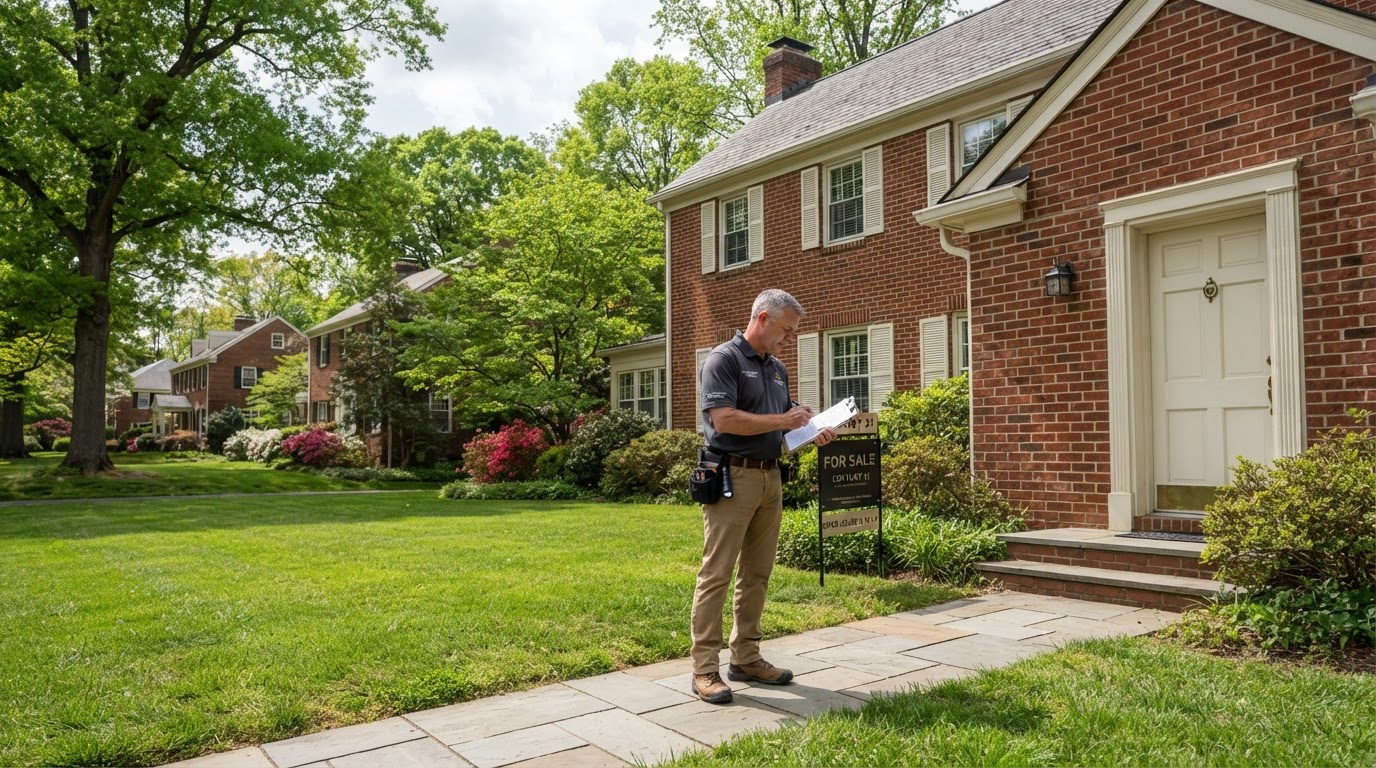
Testing & Inspection
Buying a Home in Maryland? Why Mold Testing Matters
Before you close on a Maryland home, a mold inspection can reveal hidden moisture issues that a standard home inspection might miss.


Service areas we cover
MD Mold Testing serves Bethesda, Silver Spring & Arlington, VA and communities across Maryland, Washington D.C., Northern Virginia, and Delaware.
Not ready to schedule? Get our free guide.
Download The Ultimate Guide to a Mold-Free, Healthy Maryland Home and subscribe to the Maryland Healthy Home Newsletter for weekly homeowner tips.
MD Mold Testing
For professional mold testing for condominiums in Bethesda, Silver Spring & Arlington, VA and across Maryland, Washington D.C., Northern Virginia, and Delaware, our featured local provider is MD Mold Testing. Best Mold Testing Maryland is an independent educational resource — we do not perform inspections ourselves.