Soil Testing in Maryland & the Greater D.C. Region
Soil testing — analyzing soil for lead, contaminants, nutrient levels, or construction suitability for environmental, agricultural, or building projects.
What is soil testing?
Soil testing analyzes soil for contaminants (such as lead), composition, or construction suitability. For homeowners, the most common concern is lead-contaminated soil from old exterior paint or vehicle emissions, especially in gardens and play areas. Soil testing also supports construction and environmental assessments. MD Mold Testing provides soil testing throughout Maryland, Washington D.C., Northern Virginia, and Delaware.
Soil testing is the laboratory analysis of soil for contaminants, composition, or construction suitability. For homeowners, the most common concern is lead-contaminated soil. Lead from exterior paint on older homes (pre-1978) flakes and accumulates in soil near the foundation, and leaded gasoline (before its phase-out) deposited lead in soil along roadways. Children who play in bare contaminated soil and gardeners who grow food in it can be exposed. Soil testing collects samples from the areas of concern — gardens, play areas, near the foundation — at appropriate depths, and an accredited laboratory analyzes them for lead and other contaminants, reporting levels in parts per million (ppm) compared to EPA and state guidelines. Soil testing also supports construction and environmental assessments: composition analysis (sand, silt, clay, organic matter) for drainage and foundation suitability, and contaminant testing for environmental site assessments. The report documents the findings, compares them to applicable standards, and recommends next steps — for lead, covering contaminated soil, replacing it, or avoiding food production; for construction, foundation or drainage recommendations. MD Mold Testing collects the soil samples; the accredited lab performs the analysis.
Why is soil testing important?
Older urban neighborhoods in Baltimore and D.C. often have lead-contaminated soil from decades of lead paint on exterior surfaces and leaded gasoline emissions. Homes built before 1978 with exterior lead paint can have elevated soil lead levels near the foundation. Maryland's mix of urban, suburban, and rural properties creates a range of soil testing needs — from lead in city gardens to composition for rural construction.
Soil contaminants — especially lead — are a health hazard that testing can identify. Lead-contaminated soil near older homes is a common source of childhood lead exposure, through direct contact (hand-to-mouth behavior in play areas) and through food grown in contaminated soil. Without testing, a homeowner who gardens near an older home or lets children play in bare soil cannot know whether the soil is safe. Testing identifies whether lead or other contaminants are present and at what levels, so the response is informed — covering contaminated soil, replacing it with clean soil, or avoiding food production in affected areas. For construction projects, soil composition analysis informs foundation and drainage decisions that affect the durability of the structure. In the Mid-Atlantic, where older urban neighborhoods in Baltimore and D.C. commonly have lead-contaminated soil and where the mix of urban, suburban, and rural properties creates a range of soil testing needs, soil testing is the assessment that turns an unknown soil condition into a documented one that can be acted on. It is the difference between gardening in soil that may be contaminated and knowing whether it is safe.
Featured Local Provider
Schedule soil testing with MD Mold Testing
Serving Baltimore, Rockville & Washington, D.C. and the greater Mid-Atlantic region.
Warning signs to watch for
- Your home was built before 1978 and has exterior paint
- You plan to garden or let children play in bare soil near an older home
- A construction or environmental project requires soil analysis
- You live near a former industrial site or high-traffic area
When should you schedule this service?
- You plan to garden in soil near an older home
- Children play in bare soil in an older neighborhood
- A construction project requires soil composition analysis
- An environmental assessment needs soil contaminant testing
What does professional testing involve?
Here's how MD Mold Testing typically approaches soil testing across Baltimore, Rockville & Washington, D.C..
Site review
We discuss the property, the concern (lead, composition, construction), and the areas to be sampled.
Soil sample collection
Soil samples are collected from the areas of concern at appropriate depths, labeled by location.
Laboratory analysis
An accredited lab analyzes the samples for the target analytes — lead and contaminants, or composition and geotechnical properties.
Soil report
A report documents the findings, compares them to applicable standards, and recommends next steps.
Soil testing collects samples from the areas of concern, an accredited lab analyzes them, and the report documents the findings with applicable standards. For professional soil testing, call MD Mold Testing at (301) 717-1454.
Soil testing is appropriate before gardening or allowing children to play in bare soil near an older home, for construction projects requiring soil composition analysis, and for environmental assessments needing contaminant testing.
What can testing results tell you?
The soil report documents the analytes found and their levels. For lead, the report presents the lead concentration in parts per million (ppm) and compares it to EPA and state guidelines (the EPA's bare soil play area standard is 400 ppm; the yard standard is 1,200 ppm). For other contaminants, the report compares levels to applicable standards. For composition, the report presents the soil texture (sand, silt, clay percentages), organic matter, and other properties. The report recommends next steps: for elevated lead, covering, replacing, or remediating contaminated soil and avoiding food production; for construction, foundation or drainage recommendations based on composition. The report is environmental information about the soil condition, not a medical assessment — for health concerns, especially for children, share the results with your healthcare provider.
Featured Local Provider
Schedule soil testing with MD Mold Testing
Serving Baltimore, Rockville & Washington, D.C. and the greater Mid-Atlantic region.
The cost of soil testing depends on the analytes (lead screening, full contaminant panel, composition analysis), the number of samples, and the laboratory analysis. A focused lead screen of a garden costs less than a full environmental site assessment. Contact MD Mold Testing at (301) 717-1454 for a quote based on your testing needs.
A common mistake is assuming that soil near an older home is safe because the paint looks intact — lead accumulates in soil over decades from paint flaking and atmospheric deposition. Another is testing only the surface; lead can be present at depth depending on the history of the site. A third is growing food in untested soil near an older home; lead can be taken up by some plants. Finally, neglecting to test play areas where children have direct soil contact is common; the risk is highest where children play in bare soil.
Consumer soil test kits are available for basic composition and nutrient analysis, but they do not provide the accredited, defensible contaminant analysis (especially lead) that a health concern or an environmental assessment requires. Professional soil testing uses proper sampling techniques and accredited laboratory analysis for defensible results. For a lead concern, a construction project, or an environmental assessment where the results need to be right, professional soil testing is the reliable path.
Why soil testing matters in the Mid-Atlantic
Older urban neighborhoods in Baltimore and D.C. often have lead-contaminated soil from lead paint and leaded gasoline.
Homes built before 1978 with exterior lead paint can have elevated soil lead near the foundation.
Maryland's mix of urban, suburban, and rural properties creates a range of soil testing needs.
A local, independent testing specialist
MD Mold Testing is our featured local provider for soil testing across Maryland, Washington D.C., Northern Virginia, and Delaware. They understand the region's lead-contaminated urban soils and the range of soil testing needs, and they use accredited laboratory analysis for defensible results. Contact MD Mold Testing at (301) 717-1454 or visit https://www.mdmoldtesting.com/ to schedule soil testing.
Frequently asked questions about soil testing
What is soil testing?+
Laboratory analysis of soil for contaminants (such as lead), composition, or construction suitability. Soil samples are collected from the areas of concern and an accredited lab analyzes them.
Why test soil for lead?+
Lead from old exterior paint and leaded gasoline accumulates in soil near older homes. Children who play in bare contaminated soil and gardeners who grow food in it can be exposed. Testing identifies whether lead is present and at what levels.
How much does soil testing cost in Maryland?+
Costs depend on the analytes (lead, contaminants, composition), the number of samples, and the lab analysis. Contact MD Mold Testing at (301) 717-1454 for a quote.
Should I test soil before gardening?+
Yes, especially near an older home (pre-1978) or in an urban area. Lead can be taken up by some plants, and children can be exposed through direct contact with bare soil.
What is a safe soil lead level?+
The EPA's bare soil play area standard is 400 ppm; the yard standard is 1,200 ppm. At or above these levels, covering, replacing, or remediating contaminated soil is recommended.
What if my soil has high lead?+
The report recommends covering contaminated soil (with sod, mulch, or pavement), replacing it with clean soil, or avoiding food production in affected areas. Follow the report's recommendations.
Can I use a home soil test kit?+
Consumer kits can test basic composition and nutrients but do not provide defensible contaminant (lead) analysis. For a health concern or environmental assessment, professional testing with accredited lab analysis is the reliable path.
Related questions from our knowledge base
What does mold smell like?
Mold often produces a distinctive musty, earthy odor, sometimes described as smelling like wet socks or damp leaves. This smell comes from m
Read full answerCan mold cause structural damage to a home?
Yes. Mold feeds on organic materials, and prolonged growth on wood framing, drywall paper, and other building materials can weaken and degra
Read full answerWhat is mold testing and what does it actually involve?
Mold testing is the process of collecting air or surface samples from a home and having them analyzed by a laboratory to identify the types
Read full answerWhen should a Maryland homeowner consider mold testing?
Testing is worth considering after a water event like a roof leak, plumbing leak, or basement flooding; when you smell a persistent musty od
Read full answerIf I can already see mold, do I still need testing?
Not always. The EPA's general guidance is that if visible mold is present, you should address the moisture source and clean or remove the mo
Read full answerHow long does a mold inspection and testing take?
A typical on-site inspection takes one to three hours depending on the size of the home and how many areas are sampled. Air sampling itself
Read full answerFeatured Local Provider
Schedule soil testing with MD Mold Testing
Serving Baltimore, Rockville & Washington, D.C. and the greater Mid-Atlantic region.
Related educational articles
Cost & Timing
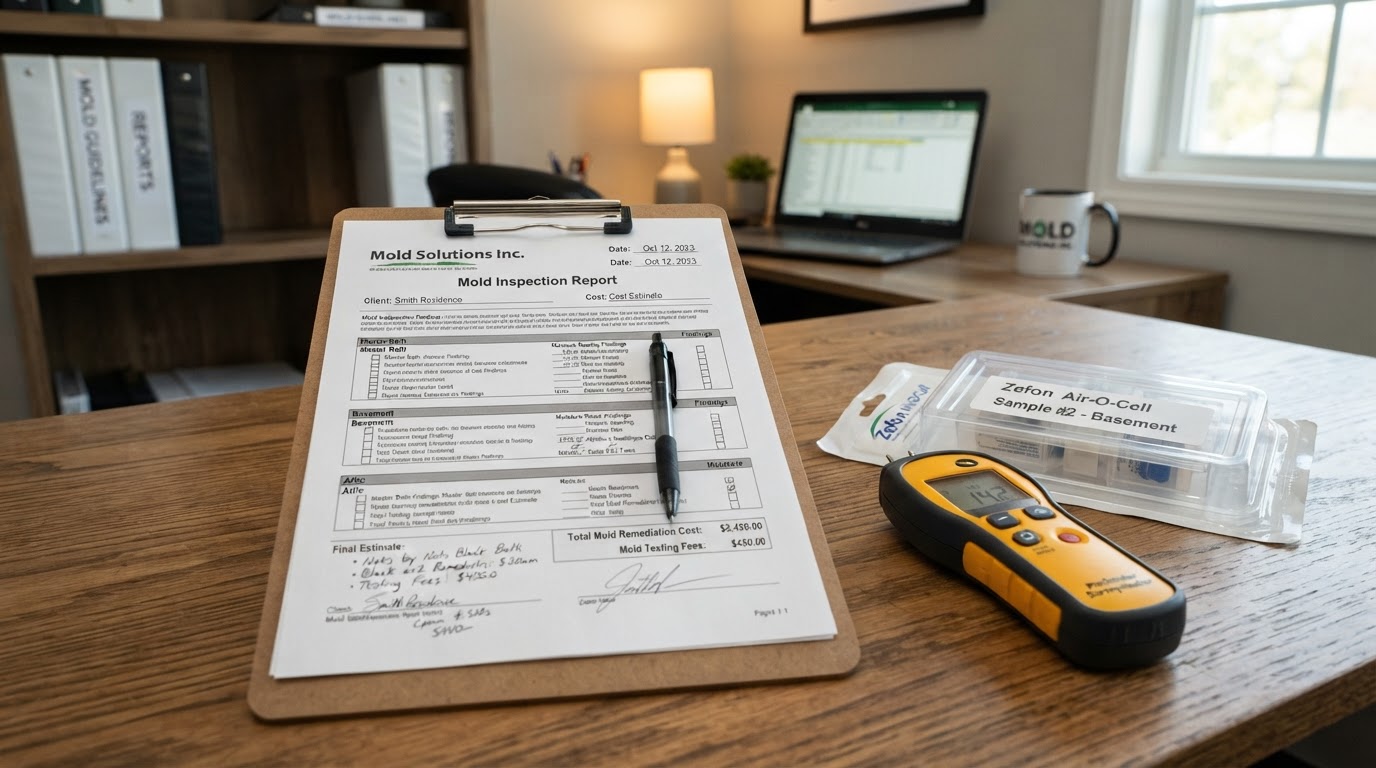
How Much Does Mold Testing Cost in Maryland?
Mold testing prices vary based on the scope of the inspection and the size of your home. Here is what influences the cost across Maryland and the DC region.
Testing & Inspection
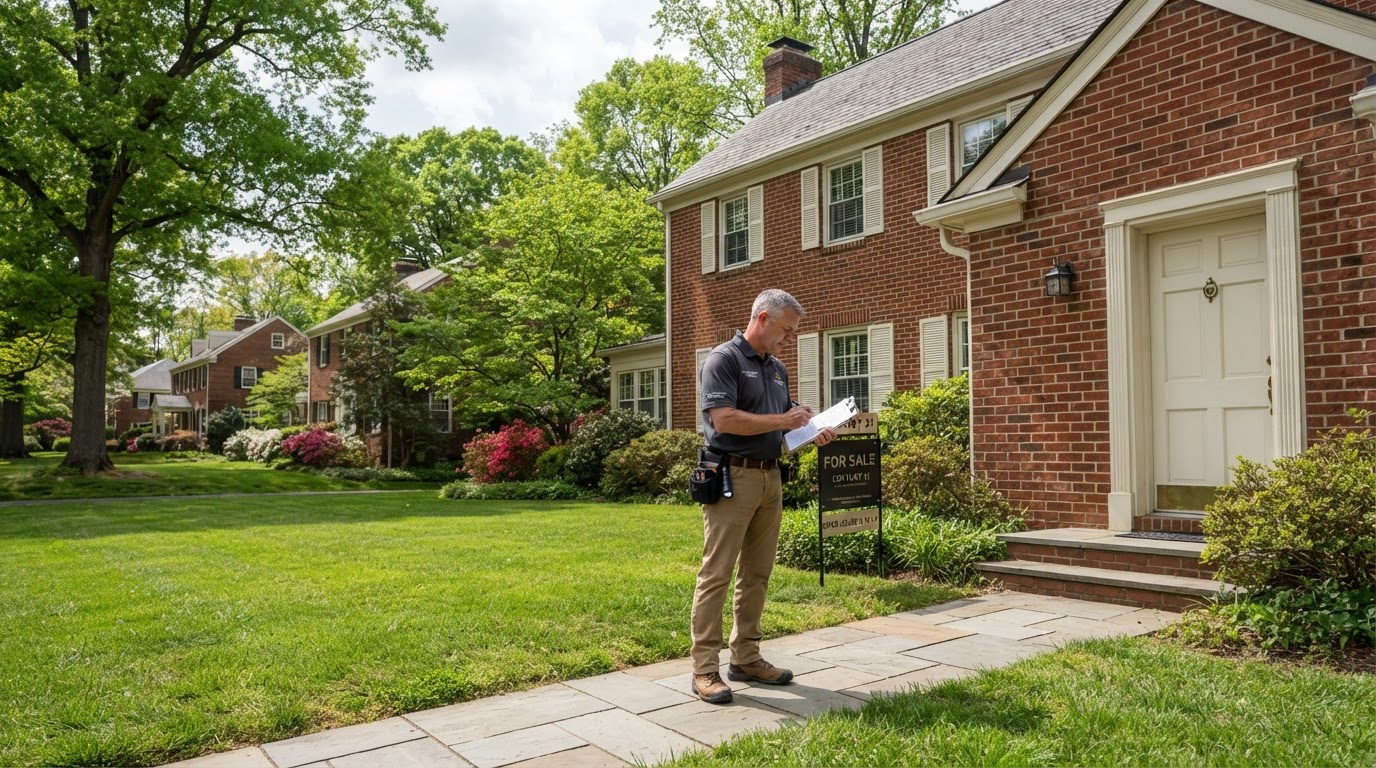
Buying a Home in Maryland? Why Mold Testing Matters
Before you close on a Maryland home, a mold inspection can reveal hidden moisture issues that a standard home inspection might miss.
Testing & Inspection
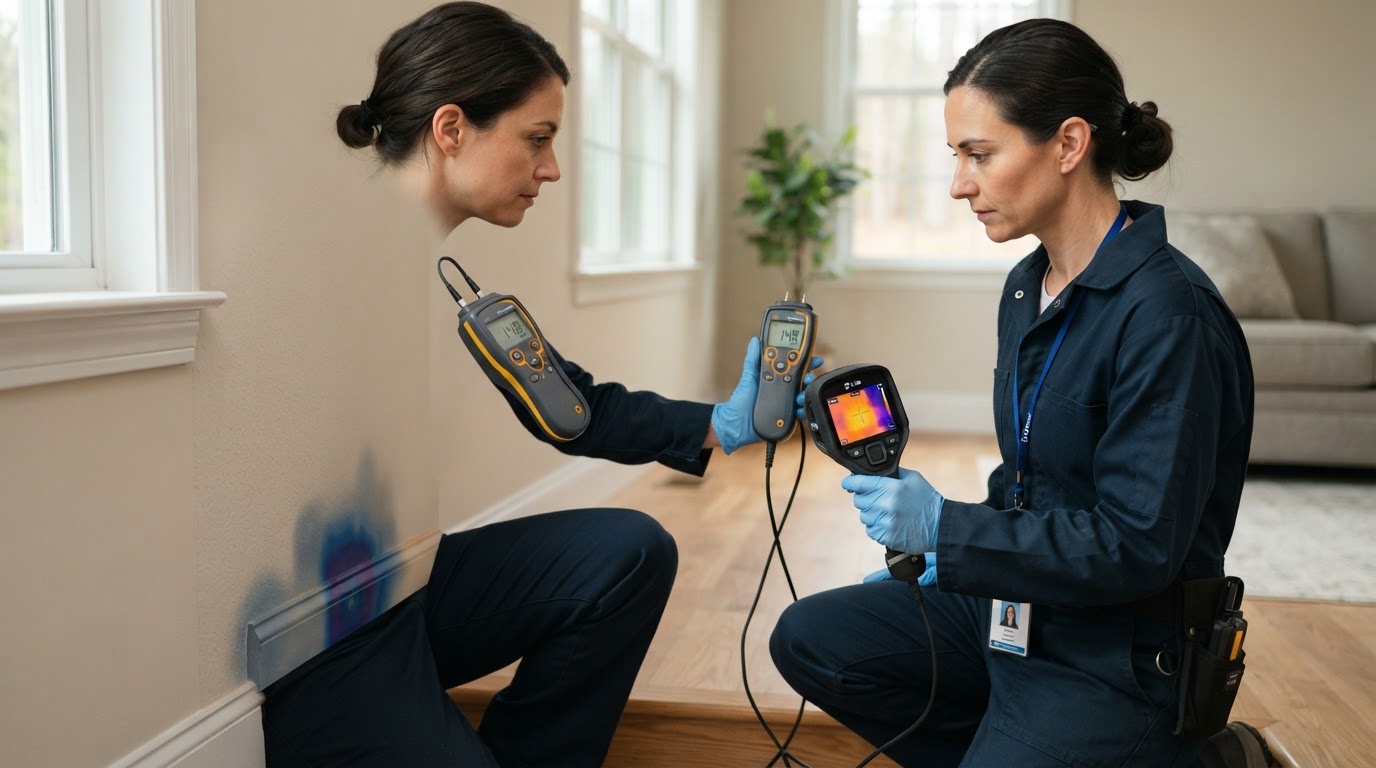
Understanding the Mold Inspection Process in Maryland
From the first phone call to the final report, here is what actually happens during a professional mold inspection in a Maryland home.


Service areas we cover
MD Mold Testing serves Baltimore, Rockville & Washington, D.C. and communities across Maryland, Washington D.C., Northern Virginia, and Delaware.
Related services
Not ready to schedule? Get our free guide.
Download The Ultimate Guide to a Mold-Free, Healthy Maryland Home and subscribe to the Maryland Healthy Home Newsletter for weekly homeowner tips.
MD Mold Testing
For professional soil testing in Baltimore, Rockville & Washington, D.C. and across Maryland, Washington D.C., Northern Virginia, and Delaware, our featured local provider is MD Mold Testing. Best Mold Testing Maryland is an independent educational resource — we do not perform inspections ourselves.