Air Sampling & Clearance Testing in Maryland & the Greater D.C. Region
Post-remediation clearance air sampling that confirms mold levels returned to normal before you reoccupy or rebuild — the objective proof that the work succeeded.
What is air sampling / clearance testing?
Clearance testing — sometimes called post-remediation verification — is the air sampling that confirms mold remediation succeeded. After remediation removes the visible growth and addresses the moisture source, clearance air sampling compares indoor spore levels to an outdoor baseline to prove the air has returned to normal before you reoccupy the space or rebuild over it. It is the objective, lab-verified proof that the problem is genuinely gone, not just cleaned from view. MD Mold Testing provides clearance air sampling throughout Maryland, Washington D.C., Northern Virginia, and Delaware.
Clearance testing is the post-remediation verification that confirms mold levels returned to normal after remediation. It combines a visual clearance check — confirming the affected area is clean, with no visible growth or water damage remaining — with clearance air sampling, which collects spore-trap cassettes in the remediated area and compares them to an outdoor baseline collected the same day. The comparison proves that indoor spore levels have returned to normal, not just that the visible growth was removed. The clearance report documents the verification and supports reoccupancy, rebuilding, or a transaction. Clearance testing is distinct from the initial mold assessment: it does not locate a source or diagnose a problem — it confirms that a known problem was resolved. MD Mold Testing performs the visual check and the clearance air sampling; the independent lab performs the analysis.
Why is air sampling / clearance testing important?
In a humid Mid-Atlantic home, the conditions that allowed mold to grow can persist if the moisture source was not fully fixed. Maryland basements, crawl spaces, and bathrooms carry baseline humidity that means a return to growth is possible if conditions are not corrected. Clearance sampling confirms both that the growth was removed and that the environment will not simply grow it back. Skipping verification means rebuilding over a problem you cannot see.
Mold remediation is only finished when it is verified. Without clearance testing, you are relying on appearance alone — and appearance can be misleading. Visible growth may have been removed, but if the air still carries elevated spore levels, the problem is not resolved. Conversely, the remediation may have been thorough, but if the moisture source was not fully fixed, the conditions that grew the mold are still present and growth will return. Clearance testing provides the objective, lab-verified proof that both the growth was removed and the air is clean — the evidence you need before reoccupying the space, rebuilding drywall over a remediated cavity, or signing off on a transaction. Rebuilding over an unverified cavity is particularly risky: it permanently hides any remaining problem behind new drywall, where it can grow unseen and unaddressed. In a humid climate where the conditions for mold are always present, clearance testing is how you confirm the work succeeded rather than assuming it did. For an insurer, a buyer, or a property manager, the clearance report is the documentation that the mold problem is closed — not an opinion, but lab-verified evidence.
Featured Local Provider
Schedule air sampling / clearance testing with MD Mold Testing
Serving Rockville, Bethesda & Silver Spring, MD and the greater Mid-Atlantic region.
Warning signs to watch for
- Remediation was completed but never verified
- A musty smell returns after remediation
- You are about to rebuild drywall over a remediated cavity
- An insurer or property transaction requires clearance documentation
- You want objective proof the remediation succeeded before reoccupancy
When should you schedule this service?
- Remediation was just completed and you need clearance to reoccupy
- You are about to rebuild over a remediated area
- A buyer or insurer requires clearance documentation
- A musty smell returned after remediation
What does professional testing involve?
Here's how MD Mold Testing typically approaches air sampling / clearance testing across Rockville, Bethesda & Silver Spring, MD.
Remediation review
We review what was remediated, the containment used, and whether the moisture source was addressed, to confirm the work is complete.
Visual clearance check
A visual inspection confirms the affected area is clean and no visible growth or water damage remains.
Clearance air sampling
Air samples in the remediated area are compared to an outdoor baseline to confirm levels returned to normal.
Clearance report
A written clearance report documents that the remediation succeeded, supporting reoccupancy, rebuilding, or a transaction.
Clearance testing is a focused, evidence-based check. The visual inspection confirms the area is clean; the air sampling proves airborne levels are back to normal. A clearance report is the documentation that the work is done. Call MD Mold Testing at (301) 717-1454.
Clearance testing is appropriate after any professional mold remediation before reoccupancy or rebuilding, when a transaction or insurer requires clearance documentation, and if a musty smell returns after remediation. It is the final step that closes the loop on a mold problem.
What can testing results tell you?
The clearance report presents the visual inspection findings (area is clean, no visible growth or water damage) and the air sampling results (indoor spore counts compared to the outdoor baseline). A clearance is typically considered achieved when indoor spore levels are at or below the outdoor baseline and no visible growth remains. If indoor levels are still elevated, the report identifies that and recommends further remediation before reoccupancy or rebuilding. The report also documents whether the moisture source was addressed — because if it was not, the mold will return regardless of how clean the air is today. The clearance report is the documentation that the remediation cycle is complete: source found, growth removed, air verified, moisture fixed.
Featured Local Provider
Schedule air sampling / clearance testing with MD Mold Testing
Serving Rockville, Bethesda & Silver Spring, MD and the greater Mid-Atlantic region.
The cost of clearance testing depends on the size of the remediated area and the number of air samples collected (including the outdoor baseline). A focused clearance of a single room costs less than a multi-zone clearance of a large remediation. Contact MD Mold Testing at (301) 717-1454 for a quote based on your remediation scope.
The most common mistake is skipping clearance testing and assuming remediation succeeded based on appearance alone — visible growth may be gone while the air is still elevated. Another is rebuilding over a remediated cavity without first verifying it is clear; that permanently hides any remaining problem. A third is remediating mold without fixing the moisture source; the clearance report also documents whether the source was addressed, because if it was not, the mold will return. Finally, confusing clearance testing with the initial mold assessment is common — clearance confirms a known problem was resolved; it does not diagnose a new one.
Clearance testing is not a DIY task. It requires spore-trap cassettes, a calibrated pump, an outdoor baseline, independent lab analysis, and a report that documents the verification — all of which a consumer kit cannot provide. The clearance report is the documentation an insurer, a buyer, or a property manager requires, and it must be lab-verified and defensible. For the final step in a mold remediation cycle, professional clearance testing is the only reliable path.
Why air sampling / clearance testing matters in the Mid-Atlantic
If the humidity source was not fixed, growth can return even after thorough removal in a humid Mid-Atlantic home.
Central HVAC recirculates air, so clearance sampling confirms the whole system is clean.
Rebuilding drywall over an unverified cavity hides any remaining problem permanently.
A local, independent testing specialist
MD Mold Testing is our featured local provider for clearance air sampling across Maryland, Washington D.C., Northern Virginia, and Delaware. They provide the visual clearance check and the lab-verified air sampling that documents remediation success, and they focus on testing — so the clearance is independent of the remediation contractor's incentive. Contact MD Mold Testing at (301) 717-1454 or visit https://www.mdmoldtesting.com/ to schedule clearance testing.
Frequently asked questions about air sampling / clearance testing
What is clearance testing?+
Clearance testing is post-remediation verification that confirms mold levels returned to normal after remediation. It combines a visual clearance check with lab-verified air sampling compared to an outdoor baseline. It is the proof that the work succeeded.
Is clearance testing really necessary after remediation?+
It is the only objective way to confirm the work succeeded. Without it, you rely on appearance alone. Clearance testing proves airborne levels returned to normal before you rebuild or reoccupy.
What if the musty smell came back after remediation?+
A returning smell suggests the moisture source was not fully addressed or the removal was incomplete. Clearance testing can identify whether growth has returned and where.
Can I rebuild over the remediated area right away?+
It is safer to wait for clearance. Rebuilding drywall over an area that was not fully cleared hides any remaining problem permanently. Clearance confirms the cavity is clean before you close it up.
How much does clearance testing cost?+
Costs depend on the size of the remediated area and the number of samples. Contact MD Mold Testing at (301) 717-1454 for a quote based on your remediation scope.
Will the clearance report help with my insurance claim?+
Yes. A lab-verified clearance report documents that the remediation succeeded, which can support reoccupancy, a transaction, or an insurance claim with objective evidence.
Related questions from our knowledge base
What exactly is mold?
Mold is a type of fungus that grows from microscopic spores present in virtually all indoor and outdoor air. When spores land on a surface w
Read full answerHow does mold grow inside a home?
Mold needs three things to grow: moisture, a food source, and a suitable temperature. Indoors, moisture comes from leaks, condensation, high
Read full answerIs all mold dangerous?
Not all mold is dangerous to everyone, but no mold should be allowed to grow indoors. The CDC and EPA emphasize that the type of mold matter
Read full answerWhat types of mold are common in Maryland homes?
Common indoor molds include Aspergillus, Penicillium, Cladosporium, and Stachybotrys (often called 'black mold'). In Maryland's humid climat
Read full answerWhat is the difference between mold and mildew?
Mildew is actually a type of mold that typically grows flat on surfaces, often in bathrooms or on damp fabrics, and is usually white, gray,
Read full answerWill mold go away on its own?
Mold will not go away on its own as long as the moisture source remains. If you dry out a damp area, visible mold may stop actively growing,
Read full answerFeatured Local Provider
Schedule air sampling / clearance testing with MD Mold Testing
Serving Rockville, Bethesda & Silver Spring, MD and the greater Mid-Atlantic region.
Related educational articles
Cost & Timing
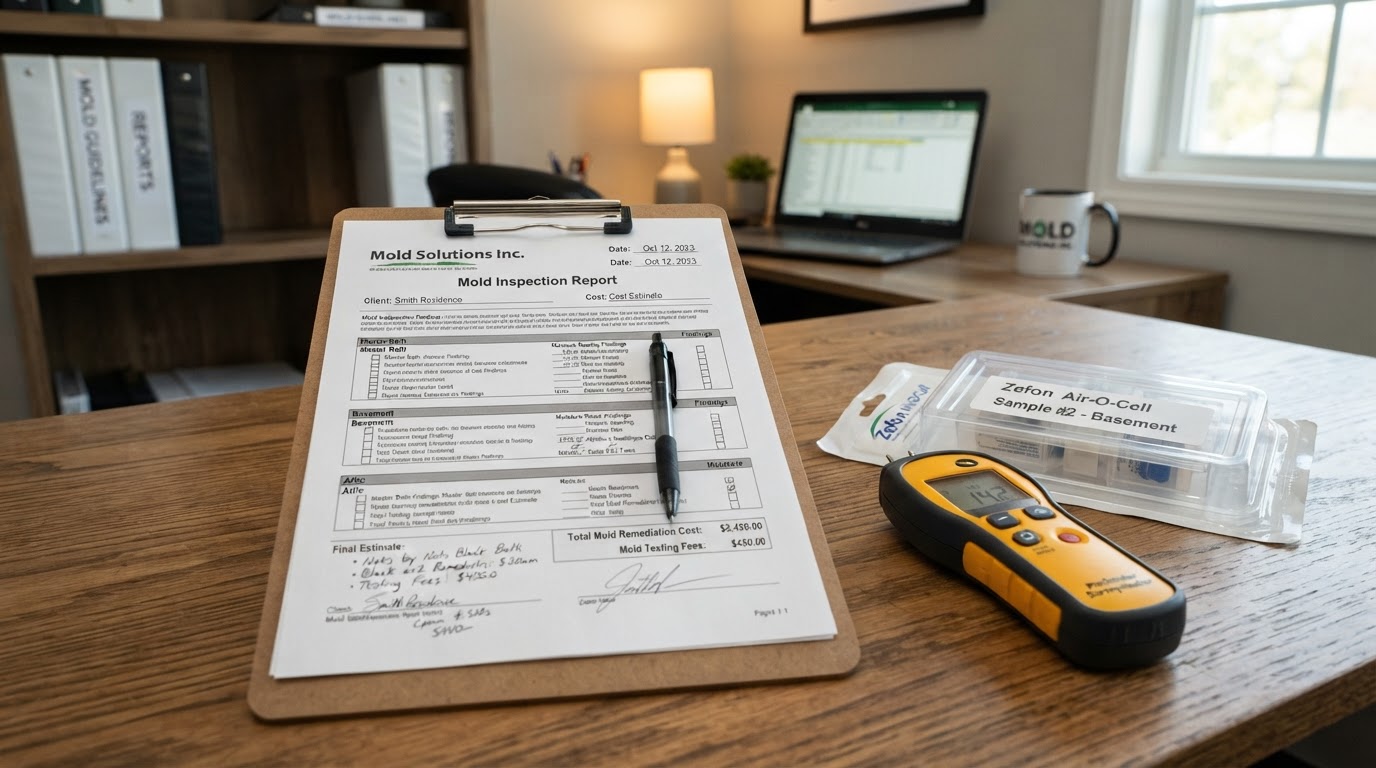
How Much Does Mold Testing Cost in Maryland?
Mold testing prices vary based on the scope of the inspection and the size of your home. Here is what influences the cost across Maryland and the DC region.
Moisture & Humidity
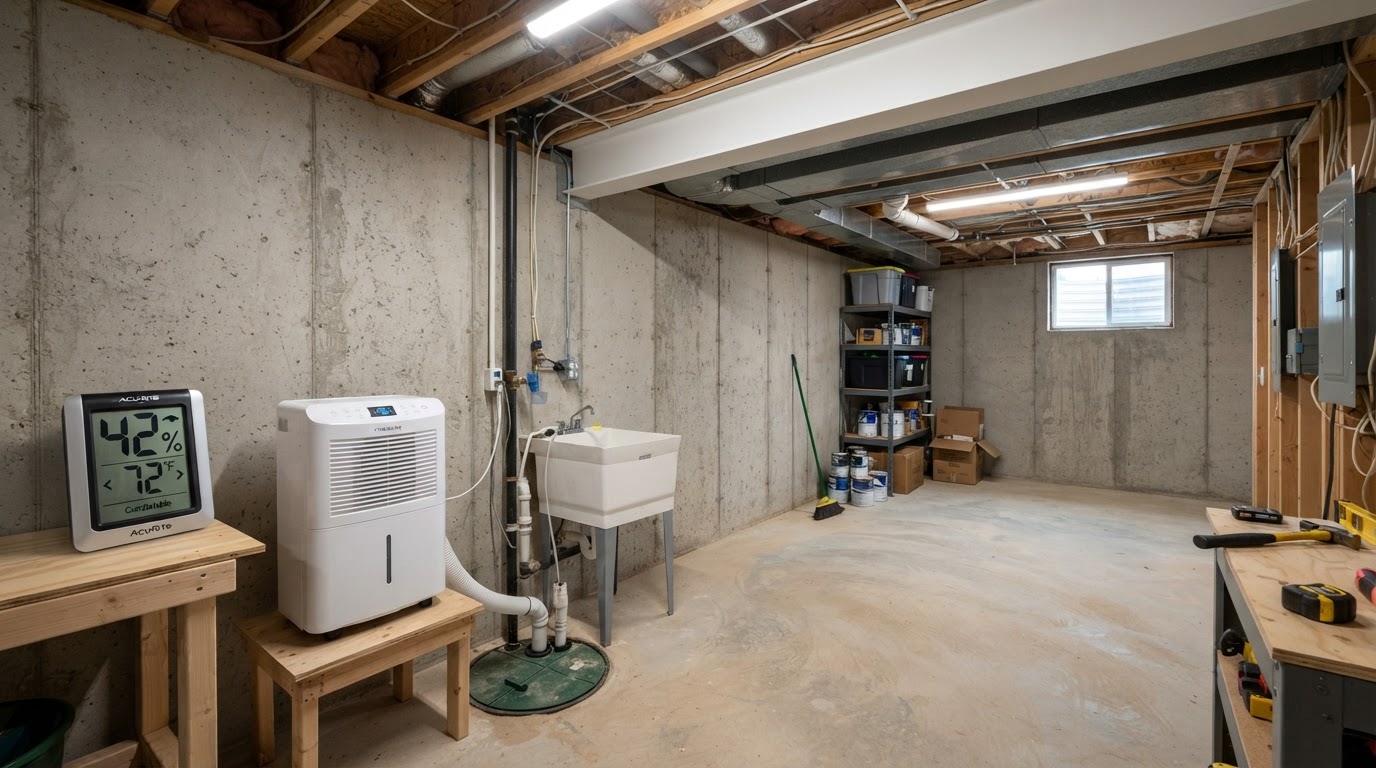
How to Prevent Mold in Maryland Basements
Basements are the most mold-prone room in a Mid-Atlantic home. Here is how to keep yours dry, ventilated, and mold-free year-round.
Testing & Inspection
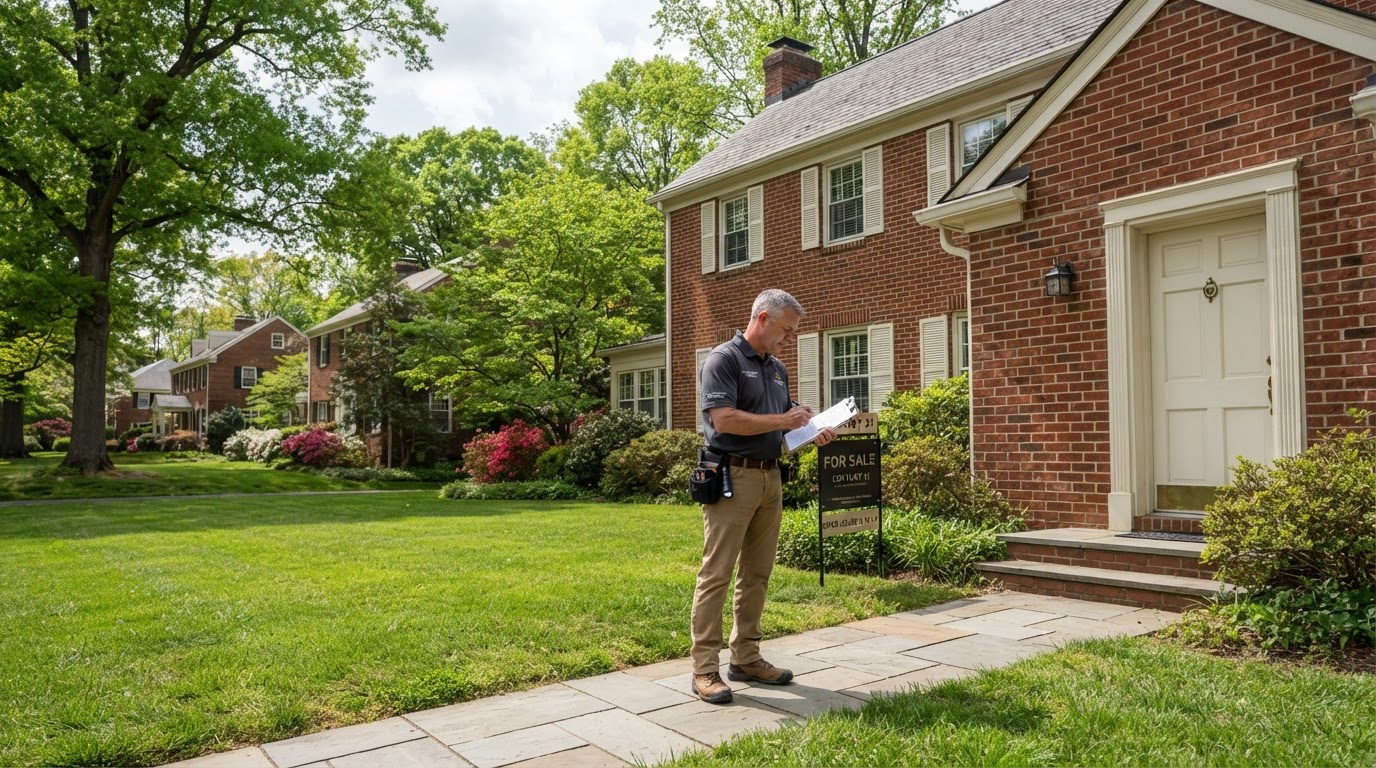
Buying a Home in Maryland? Why Mold Testing Matters
Before you close on a Maryland home, a mold inspection can reveal hidden moisture issues that a standard home inspection might miss.


Service areas we cover
MD Mold Testing serves Rockville, Bethesda & Silver Spring, MD and communities across Maryland, Washington D.C., Northern Virginia, and Delaware.
Not ready to schedule? Get our free guide.
Download The Ultimate Guide to a Mold-Free, Healthy Maryland Home and subscribe to the Maryland Healthy Home Newsletter for weekly homeowner tips.
MD Mold Testing
For professional air sampling / clearance testing in Rockville, Bethesda & Silver Spring, MD and across Maryland, Washington D.C., Northern Virginia, and Delaware, our featured local provider is MD Mold Testing. Best Mold Testing Maryland is an independent educational resource — we do not perform inspections ourselves.