Mold Inspection & Air Testing in Maryland & the Greater D.C. Region
A combined mold inspection and air testing assessment — visual inspection, moisture mapping, and lab-analyzed air samples — to locate growth, confirm whether it is elevated, and identify what type of mold is present.
What is mold inspection & air testing?
Mold inspection and air testing is the combined assessment that answers both the key mold questions at once: where is the moisture coming from, and is mold airborne at elevated levels? The inspection finds the source — the leak, the seepage, the condensation point — using visual assessment, moisture meters, and thermal imaging. The air testing confirms whether mold spores are elevated indoors versus an outdoor baseline, using spore-trap cassettes analyzed by an independent lab. Together they tell you the full story: where the problem is, how much is airborne, and what type of mold is present. MD Mold Testing performs mold inspection and air testing throughout Maryland, Washington D.C., Northern Virginia, and Delaware.
Mold inspection and air testing is the combined mold assessment that answers both key questions at once. The inspection is the physical investigation: a visual walkthrough of the home, attic, basement, and accessible areas, with moisture meters and thermal imaging to find hidden dampness behind walls and under surfaces that look dry to the eye. It locates where the moisture is coming from — a leak, seepage, condensation, a plumbing failure — and where growth may be hiding. The air testing is the lab-confirmed measurement: spore-trap cassettes draw a known volume of air through a sticky slide, an independent laboratory counts and identifies the mold spores captured, and indoor results are compared to an outdoor baseline collected at the same time. That comparison is what makes air testing meaningful — because mold spores are present in all outdoor air, a single indoor number tells you nothing without a baseline to compare it against. Together, the inspection and air testing tell you the complete story: where the moisture source is, whether mold spores are elevated indoors, and what types of mold are present. MD Mold Testing performs both the inspection and the air sampling; the independent lab performs the analysis.
Why is mold inspection & air testing important?
Maryland's humid subtropical climate means long, moist summers and cool, condensation-prone winters. Basements in Rockville and Silver Spring stay cool and damp through July; Bethesda colonials trap shower and cooking moisture behind tight construction; and the region's high ambient humidity means the outdoor air itself carries significant moisture for much of the year. Mold inspection and air testing here is built around managing that ambient humidity and the leaks, seepage, and condensation it drives — with the outdoor baseline that makes air testing meaningful being moderate to high in humid seasons.
Mold is a moisture problem, and in a humid climate like the Mid-Atlantic, moisture is a year-round reality. The visible spot you find is rarely the full extent of the growth — mold grows inside wall cavities, under flooring, behind baseboards, and in attic sheathing where you cannot see it. A musty smell can come from a cavity you cannot access. And symptoms — allergy flare-ups, respiratory irritation, headaches — can be caused by airborne spores from a hidden source. The inspection finds the source that you cannot see; the air testing confirms whether spores are elevated in the air you breathe. Without both, you are guessing: an inspection without air testing cannot confirm whether the growth it finds is contributing to airborne levels, and air testing without inspection can tell you that spores are elevated but not where they are coming from. The combined assessment is the comprehensive answer — it locates the problem and measures the air in one coordinated visit. In a region where humid summers, basement moisture, and older plumbing make mold a common issue, that comprehensive answer is the foundation for an informed decision: whether remediation is warranted, how extensive it needs to be, and whether the air is safe to breathe.
Featured Local Provider
Schedule mold inspection & air testing with MD Mold Testing
Serving Rockville, Bethesda & Silver Spring, MD and the greater Mid-Atlantic region.
Warning signs to watch for
- A persistent musty or earthy odor you cannot locate
- Water stains or discoloration on ceilings, walls, or baseboards
- Warping, buckling, or peeling paint and drywall tape
- Dark speckling around vents, sinks, window frames, or grout lines
- Allergy or respiratory symptoms that ease when you leave the house
- A recent leak or water damage event that was repaired but never tested
When should you schedule this service?
- You smell mold but cannot find the source visually
- A leak was repaired and you want to confirm no growth started
- You are buying a home and want a moisture and mold baseline
- Family allergy or asthma symptoms flare up indoors
- You need lab-verified documentation for a transaction, insurer, or dispute
What does professional testing involve?
Here's how MD Mold Testing typically approaches mold inspection & air testing across Rockville, Bethesda & Silver Spring, MD.
Consultation
We discuss what you have noticed — odors, stains, a recent leak, symptoms — and where, so the assessment focuses on the right areas.
Visual & moisture inspection
A walkthrough with moisture meters and thermal imaging identifies visible growth, water staining, dampness, and hidden moisture behind walls.
Air sampling
Spore-trap cassettes are collected indoors in suspect and reference rooms, plus an outdoor baseline sample for comparison.
Lab-verified report
An independent lab analyzes the cassettes. The report identifies mold types and concentrations, compares indoor to outdoor, and gives plain-language next steps.
A combined inspection and air testing visit typically takes one to three hours depending on home size and sample count. Lab results return within a few business days. The report compares indoor spore levels to the same-day outdoor baseline so you can tell whether something inside is elevated — not just present, which mold always is. MD Mold Testing focuses on testing and inspection, so the assessment is independent of any remediation work. Call MD Mold Testing at (301) 717-1454.
Mold inspection and air testing is appropriate when you see or smell signs of moisture, after a known leak or water damage event, before spending on remediation, during a home purchase for a moisture baseline, and when symptoms suggest an indoor airborne source. It is the comprehensive mold assessment — both the source and the air.
What can testing results tell you?
The mold inspection and air testing report has two parts. The inspection findings document the moisture source (where water is entering and from what), the locations of visible and suspect hidden growth, and moisture meter readings that confirm dampness. The air testing results present, for each sample location, the total spore count and the breakdown by mold type (such as Aspergillus/Penicillium, Cladosporium, Stachybotrys, Chaetomium), compared to the outdoor baseline collected the same day. An indoor sample is considered elevated when its total count or specific-type profile is significantly higher than the outdoor baseline. The report interprets these findings in plain language: whether an indoor source is contributing, which room it is in, what type of mold it is, and whether remediation is warranted. It also identifies the moisture source that must be fixed to prevent recurrence — because removing mold without addressing the moisture that grew it guarantees it will return. Results are environmental information, not a medical diagnosis; for health concerns, share the report with your healthcare provider.
Featured Local Provider
Schedule mold inspection & air testing with MD Mold Testing
Serving Rockville, Bethesda & Silver Spring, MD and the greater Mid-Atlantic region.
The cost of mold inspection and air testing depends on the size of the home, the number of rooms or areas assessed, and the number of air samples collected (including the outdoor baseline). A focused assessment of a specific concern costs less than a whole-home evaluation. The number of samples is tailored to the situation — a single suspected area may need fewer samples than a whole-home assessment. Contact MD Mold Testing at (301) 717-1454 for an accurate quote based on your situation.
A common mistake is testing only the air without inspecting for the source — air testing can tell you spores are elevated but not where they are coming from, so the inspection is what makes the results actionable. Another is skipping the outdoor baseline sample; without it, a single indoor number is meaningless because mold spores are present in all outdoor air. A third is assuming that finding any mold means remediation is necessary — mold is present in every home; what matters is whether indoor levels are elevated relative to the outdoor baseline and whether active growth is present. Finally, remediating mold without fixing the moisture source guarantees it will return; the inspection identifies the source that must be addressed.
Consumer mold test kits exist (settle plates, mail-in cassettes), but they have significant limitations. They do not include the professional inspection that locates the moisture source, they do not collect the outdoor baseline that makes air testing meaningful, they do not quantify airborne concentrations against a same-day comparison, and they do not provide the lab-verified report needed for a transaction, insurer, or remediation plan. A professional assessment includes the visual inspection with moisture meters and thermal imaging, controlled air sampling with spore-trap cassettes, independent lab analysis, and an integrated report that connects the findings. For a property decision, a health concern, or a remediation plan where the results need to be right, professional mold inspection and air testing is the reliable path.
Why mold inspection & air testing matters in the Mid-Atlantic
Maryland's humid summers drive basement condensation and elevated indoor humidity from June through September.
Older homes in Baltimore, Silver Spring, and D.C. often have fieldstone foundations and original plumbing prone to seepage and pinhole leaks.
Tight, energy-efficient construction in newer developments can trap moisture from cooking, showers, and clogged condensate lines.
A local, independent testing specialist
MD Mold Testing is our featured local provider for mold inspection and air testing across Maryland, Washington D.C., Northern Virginia, and Delaware. They understand the region's humid-climate mold drivers — basement condensation, crawl-space moisture, attic ice dams, and aging plumbing — and they combine the inspection and air testing into one coordinated, lab-verified report. They focus on testing and inspection, so the assessment is independent of remediation incentives. Contact MD Mold Testing at (301) 717-1454 or visit https://www.mdmoldtesting.com/ to schedule a mold inspection and air test.
Frequently asked questions about mold inspection & air testing
What is the difference between a mold inspection and mold air testing?+
An inspection finds the source — where moisture is entering and where growth may be hiding. Air testing measures airborne spore levels against an outdoor baseline to confirm whether an indoor source is elevated. The combined assessment answers both questions at once.
How much does mold inspection and air testing cost in Maryland?+
Costs depend on home size, the number of areas assessed, and the number of air samples collected (including the outdoor baseline). Contact MD Mold Testing at (301) 717-1454 for a quote based on your situation.
Do I need both an inspection and air testing?+
For most mold concerns beyond a single obvious spot, yes. The inspection locates the source; the air testing confirms whether spores are elevated. Together they give you the complete picture needed to decide whether remediation is warranted.
Why do you collect an outdoor air sample?+
Mold spores are present in all outdoor air. The outdoor sample establishes a same-day baseline so an indoor sample can be judged as elevated or normal by comparison. Without it, a single indoor number is meaningless.
How long until I get results?+
Lab analysis typically returns within a few business days. The report compares indoor levels to the outdoor baseline and flags any room that is elevated.
Will the report tell me what type of mold I have?+
Yes. The lab identifies the mold types and counts the spores on each cassette. The report presents the types found and their concentrations, in plain language.
Can mold inspection and air testing help with my real estate transaction?+
Yes. A lab-verified, documented report provides objective evidence for buyers, sellers, and insurers during a transaction. It can support negotiation, a repair request, or a confident decision to proceed.
Related questions from our knowledge base
What exactly is mold?
Mold is a type of fungus that grows from microscopic spores present in virtually all indoor and outdoor air. When spores land on a surface w
Read full answerHow does mold grow inside a home?
Mold needs three things to grow: moisture, a food source, and a suitable temperature. Indoors, moisture comes from leaks, condensation, high
Read full answerIs all mold dangerous?
Not all mold is dangerous to everyone, but no mold should be allowed to grow indoors. The CDC and EPA emphasize that the type of mold matter
Read full answerWhat types of mold are common in Maryland homes?
Common indoor molds include Aspergillus, Penicillium, Cladosporium, and Stachybotrys (often called 'black mold'). In Maryland's humid climat
Read full answerWhat is the difference between mold and mildew?
Mildew is actually a type of mold that typically grows flat on surfaces, often in bathrooms or on damp fabrics, and is usually white, gray,
Read full answerWill mold go away on its own?
Mold will not go away on its own as long as the moisture source remains. If you dry out a damp area, visible mold may stop actively growing,
Read full answerFeatured Local Provider
Schedule mold inspection & air testing with MD Mold Testing
Serving Rockville, Bethesda & Silver Spring, MD and the greater Mid-Atlantic region.
Related educational articles

Cost & Timing
How Much Does Mold Testing Cost in Maryland?
Mold testing prices vary based on the scope of the inspection and the size of your home. Here is what influences the cost across Maryland and the DC region.
Moisture & Humidity
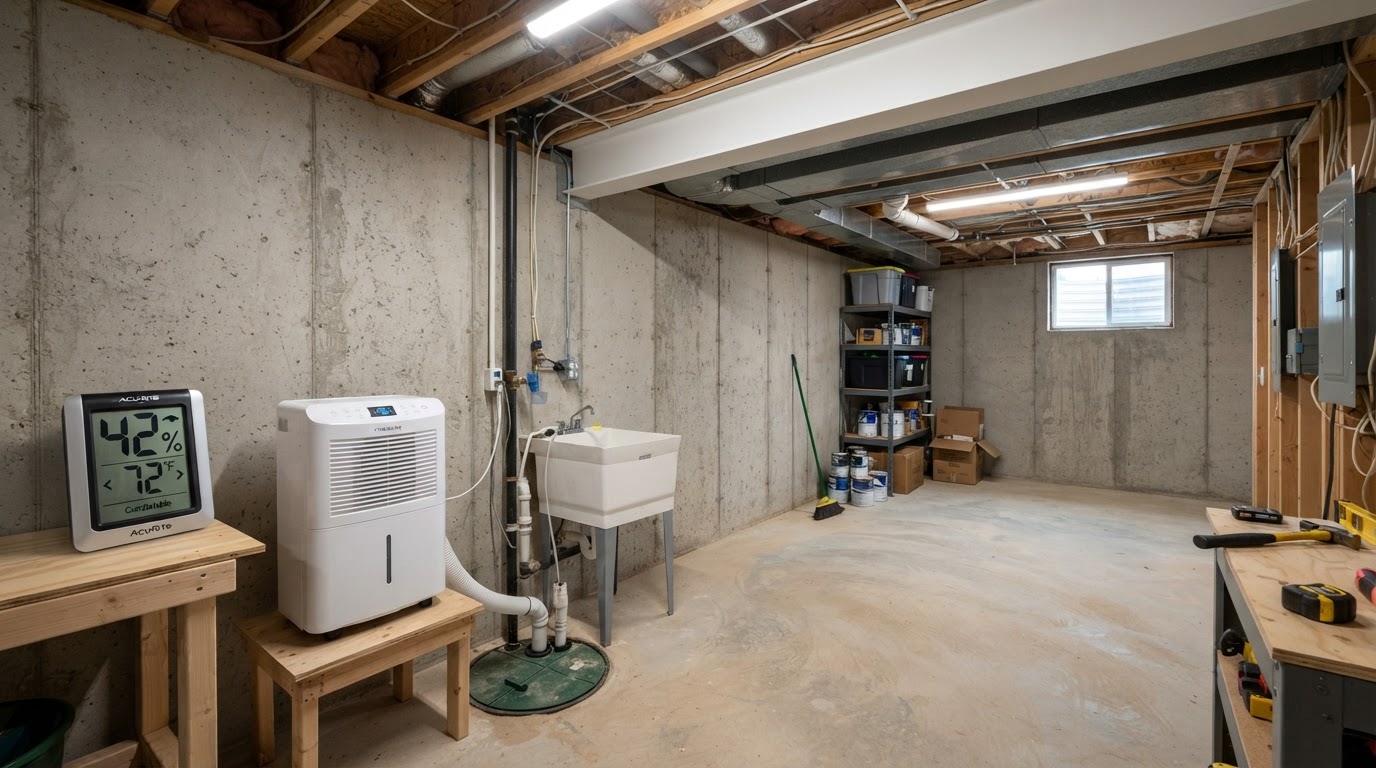
How to Prevent Mold in Maryland Basements
Basements are the most mold-prone room in a Mid-Atlantic home. Here is how to keep yours dry, ventilated, and mold-free year-round.
Testing & Inspection
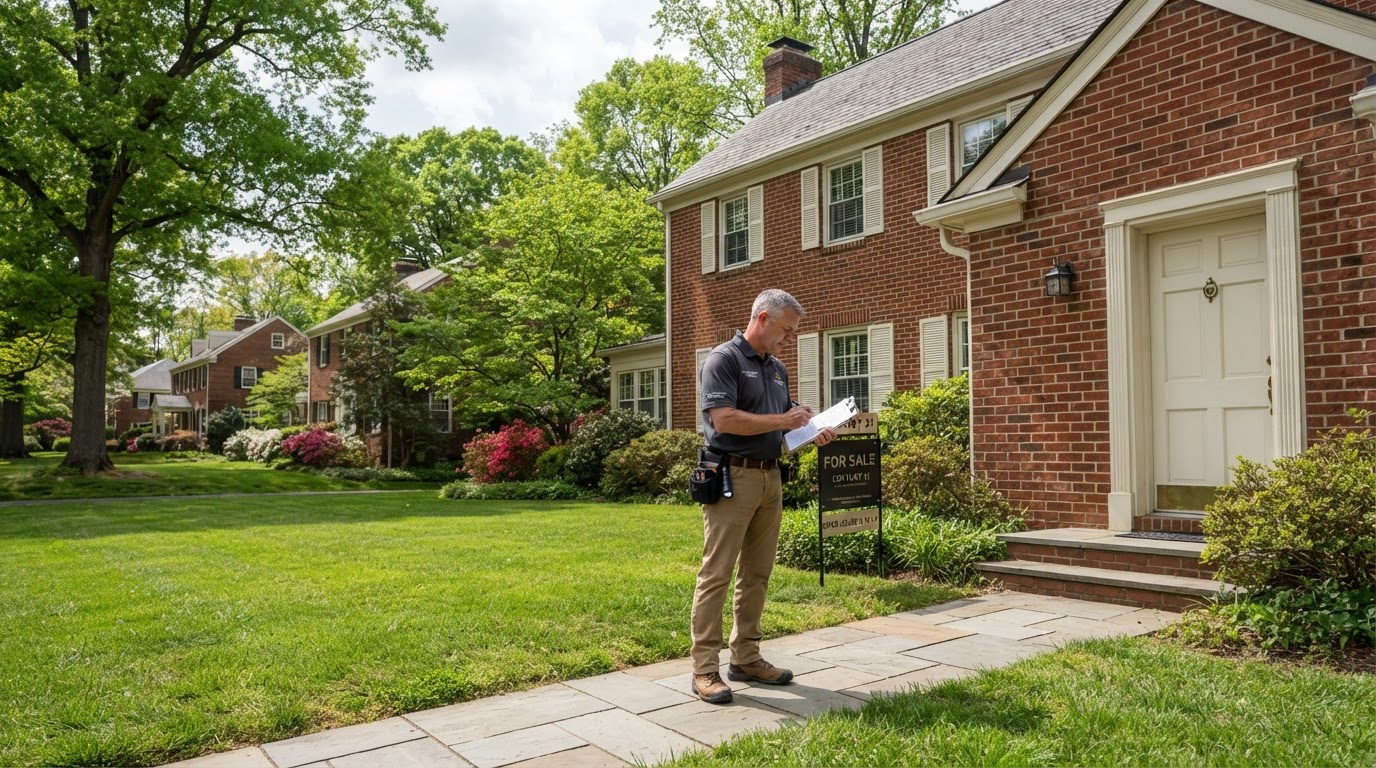
Buying a Home in Maryland? Why Mold Testing Matters
Before you close on a Maryland home, a mold inspection can reveal hidden moisture issues that a standard home inspection might miss.


Service areas we cover
MD Mold Testing serves Rockville, Bethesda & Silver Spring, MD and communities across Maryland, Washington D.C., Northern Virginia, and Delaware.
Not ready to schedule? Get our free guide.
Download The Ultimate Guide to a Mold-Free, Healthy Maryland Home and subscribe to the Maryland Healthy Home Newsletter for weekly homeowner tips.
MD Mold Testing
For professional mold inspection & air testing in Rockville, Bethesda & Silver Spring, MD and across Maryland, Washington D.C., Northern Virginia, and Delaware, our featured local provider is MD Mold Testing. Best Mold Testing Maryland is an independent educational resource — we do not perform inspections ourselves.